

For years, the Taliban maintained a public image of ironclad discipline and monolithic unity. Bound by the theological principle of Obedience to the Amir, the movement survived twenty years of insurgency without a major split. However, as the third year of their rule in Afghanistan unfolds, that unity is fracturing. A year-long investigation, punctuated by leaked audio from Supreme Leader Hibatullah Akhundzada and a high-stakes “digital rebellion” in late 2025, reveals a movement increasingly at war with itself.
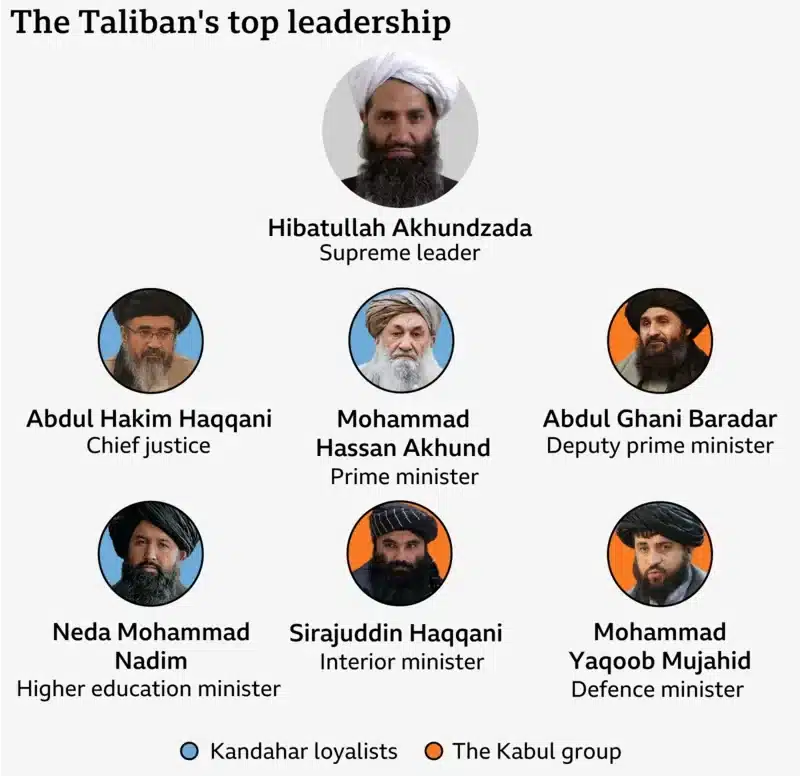
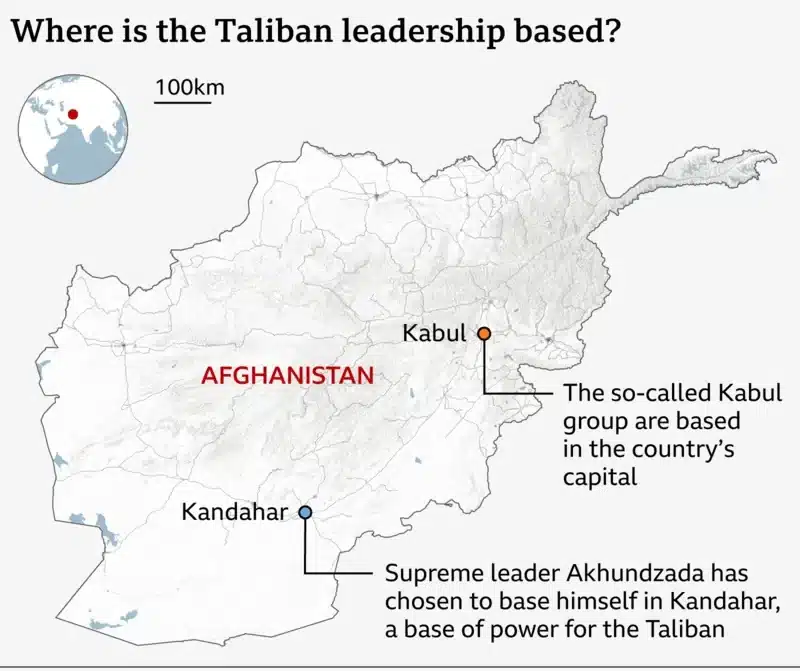
At the heart of the conflict is a geographical and ideological tug-of-war: the “Kandahar House” versus the “Kabul Group.”
A BBC investigation reveals an unusual power struggle within the Taliban, pitting hardliners in Kandahar against more pragmatic leaders in Kabul.
A leaked audio clip shows supreme leader Hibatullah Akhundzada warning that internal divisions could bring down the Islamic Emirate.… pic.twitter.com/UiSfYug62T
— Clash Report (@clashreport) January 16, 2026
The Voice of the Recluse
The first cracks in the facade appeared in a leaked audio recording from January 2025. In the clip, the Supreme Leader, Hibatullah Akhundzada, addressed a madrassa in Kandahar with a tone of uncharacteristic vulnerability. He warned of “insiders in the government” pitted against one another, stating bluntly, “As a result of these divisions, the emirate will collapse and end.”
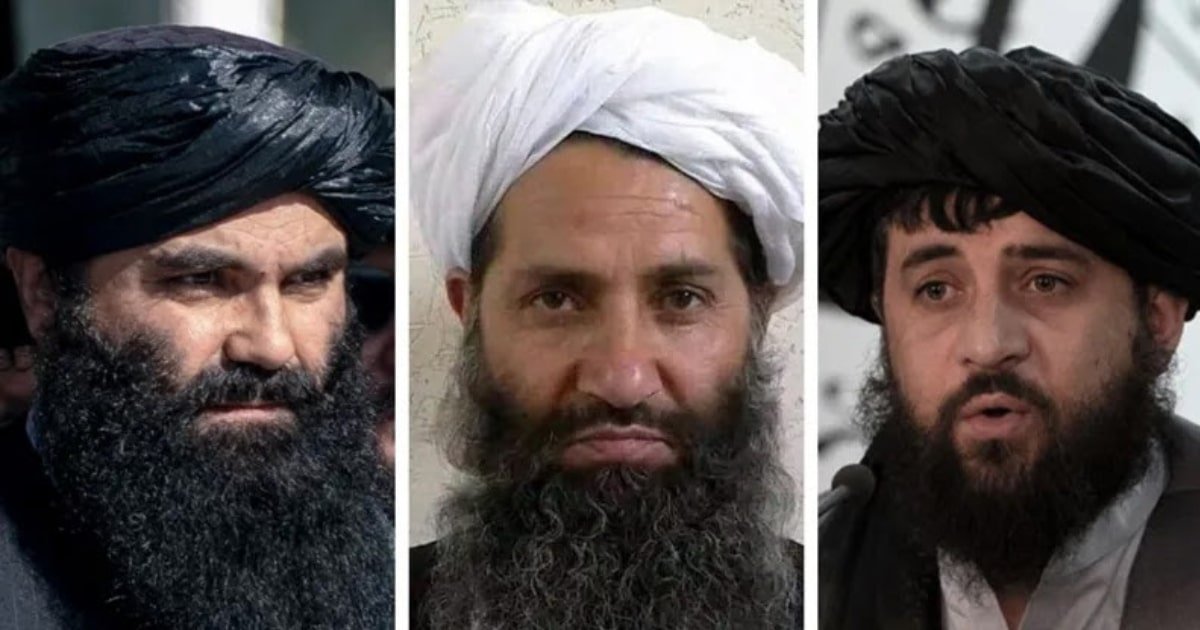
Akhundzada, who has not lived in the capital since the 2021 takeover, governs from the Taliban’s spiritual birthplace, Kandahar. He is a man of near-mythical reclusiveness; only two confirmed photographs of him exist, and he reportedly communicates through gestures interpreted by a council of elderly clerics. Sources describe him as a “man of faith” who believes every decree he issues—from the ban on women’s education to the prohibition of music—is a matter of his personal accountability to Allah on Judgment Day.
From his southern redoubt, Akhundzada has spent the last year consolidating power. He has bypassed Kabul-based ministries to issue direct orders to local police, shifted the distribution of weapons to his personal control, and filled his inner circle with hardline ideologues. To Akhundzada, the purity of the Islamic Emirate is more important than its survival in the modern international order.
The Pragmatists of Kabul
Opposing this vision is a group of powerful ministers based in Kabul. This faction is led by figures who have “seen the world,” including Mullah Abdul Ghani Baradar (the chief negotiator with the U.S.), Sirajuddin Haqqani (the Interior Minister and head of the Haqqani Network), and Mohammad Yaqoob (the Defense Minister and son of the Taliban’s founder).
While these men are by no means liberals—they remain committed to a strict interpretation of Sharia—they are described by insiders as “pragmatists.” They envision Afghanistan as a functional state akin to a Gulf monarchy: integrated into the global economy, utilizing modern technology, and maintaining enough diplomatic goodwill to ensure the flow of humanitarian aid.
Crucially, members of the Kabul group have quietly advocated for the restoration of girls’ education beyond primary school. They recognize that the current path of total isolation is unsustainable. Their frustration has grown as Akhundzada has systematically demoted them from “deputies” to “ministers,” stripping them of the autonomy they enjoyed during the insurgency.
The Great Internet Rebellion
The “delicate tug-of-war” between these factions reached a breaking point in late September 2025. Akhundzada, harboring a deep distrust of the internet as a source of anti-Islamic “corruption,” ordered a total nationwide shutdown of phones and data services.
You May Like To Read: The New Age of Tariffs: How Trade Wars, Economic Nationalism and Geopolitics Are Reshaping Global Commerce in 2026
For three days, Afghanistan was plunged into digital darkness. The order was absolute: “No excuses,” according to sources within the telecommunications ministry. However, the Kabul group realized that a modern government and economy cannot function in a blackout. In a move that an expert on the movement described as “nothing short of a rebellion,” the Kabul-based ministers—including Baradar, Haqqani, and Yaqoob—confronted the Prime Minister in Kabul and demanded the order be reversed.
They succeeded. The internet was switched back on, marking the first time in the movement’s history that a direct, explicit order from the Supreme Leader was openly defied and overturned by his subordinates.
A Difference of “Opinion” or a Pending Collapse?
The Taliban’s official spokesperson, Zabihullah Mujahid, continues to deny any functional split, dismissing reports of friction as a “difference of opinion in a family.” However, the rhetoric on the ground suggests otherwise.
In late 2025, Sirajuddin Haqqani addressed a crowd in Khost, issuing a veiled warning that a government which “forgets its nation” is no government at all. On the same day, an Akhundzada loyalist, Higher Education Minister Neda Mohammad Nadem, fired back in a separate speech, asserting that “only one person leads and the rest follow… if there are too many leaders, the government will be ruined.”
The Kabul group faces a precarious future. Insiders suggest that Akhundzada may eventually seek to purge these “rebellious” ministers. Conversely, the Kabul group’s control over the capital and the machinery of state gives them a leverage that the reclusive leader cannot easily ignore.
The Human Toll
For the people of Afghanistan, particularly the 20 million women and girls currently denied education and employment, this internal power struggle is more than political theater. The “Kabul Spring” that many hope for remains a distant possibility. While the Kabul group favors more moderate policies, they have yet to risk their own positions of power to enforce a reversal of the bans on women’s rights.
As one expert noted, the Kabul group was “brave” enough to defy the leader over the internet because it threatened their “ability to make money” and govern. Whether they will show the same courage for the fundamental rights of Afghan citizens remains the defining question for 2026.
Conclusion
As the year ends, the Islamic Emirate stands at a crossroads. One path leads toward the absolute, medieval isolation envisioned by the Kandahar House; the other toward a pragmatic, albeit still authoritarian, engagement with the world. The internet rebellion proved that the Supreme Leader’s power is no longer absolute. If the Kabul group decides to move from “words to action” on more substantive issues, the collapse that Akhundzada feared in his leaked audio may become a self-fulfilling prophecy.
Check out our latest video: