

A series of maritime incidents and escalating rhetoric have intensified concerns over regional stability in the Persian Gulf. The developments follow a tense BRICS forum in New Delhi, where Iranian Foreign Minister Abbas Araghchi addressed renewed threats from the US and Israel, asserting Iran’s resolve against military pressure.
“We are used to these threats,” Araghchi stated, emphasizing that Iran would not succumb to military solutions and urging other parties to seek alternative approaches to resolving issues.
Iran’s Foreign Minister Abbas Araghchi:
– We are trying to keep the ceasefire to give diplomacy a chance
– We have no trust on Americans. Current negotiation is suffering from the lack of trust
– All vessels can pass through Strait of Hormuz except those at war with us
-… pic.twitter.com/A6Ko8tXeuZ— TRT World Now (@TRTWorldNow) May 15, 2026
Adding to the volatility, Iran’s Revolutionary Guards (IRGC) announced the passage of Chinese ships through the Strait of Hormuz, a strategic waterway for global oil transport. This announcement coincided with reports of a ship anchored off Fujairah being boarded and steered towards Iran by “unauthorized personnel,” as reported by the British maritime security agency UKMTO. Maritime security firm Vanguard identified the boarded vessel, stating its security officer reported the vessel was taken by Iranian personnel.
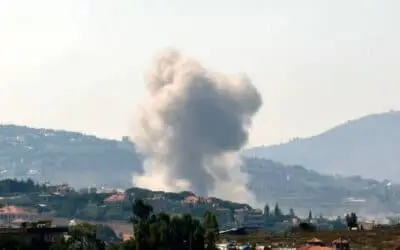
Meanwhile, an Indian cargo vessel, the MSV Haji Ali, carrying livestock, sank off the coast of Oman after a reported explosion. India’s foreign ministry condemned the attack, deeming it “unacceptable.” Fortunately, all 14 Indian crew members were rescued by Omani authorities. The UAE echoed the condemnation, labeling the sinking a “terrorist attack.”
India said an Indian-flagged vessel was attacked off the coast of Oman, and subsequently sank, calling the incident ‘unacceptable’
‘All 14 crew members on board were safely rescued by the Omani Coast Guard and have reached Dibba Port in Oman,’ a senior Indian official said… pic.twitter.com/zF3cACF8Xz
— Anadolu English (@anadoluagency) May 14, 2026
The IRGC’s statement indicated that the passage of Chinese ships through the Strait of Hormuz was prearranged, following an agreement on Iran’s “strait management protocols.” Iranian state television reported that “more than 30 ships” had been allowed to pass.
These events come at a time of heightened tensions in the region, fueled by ongoing geopolitical rivalries and concerns over Iran’s nuclear program.
Critical Analysis
The simultaneous occurrence of these incidents raises several critical questions:
- Intentional Escalation?: Are these events isolated incidents, or do they represent a coordinated effort to escalate tensions in the region? The boarding of the ship off Fujairah, the sinking of the Indian vessel, and the carefully timed announcement of Chinese ships transiting the Strait of Hormuz, may point towards a deliberate show of force or a calculated attempt to disrupt maritime traffic.
- Iranian Messaging: Araghchi’s strong statements following the BRICS forum suggest a hardening of Iran’s stance against external pressure. The IRGC’s actions could be interpreted as a demonstration of Iran’s capabilities and its willingness to assert control over vital waterways.
- Impact on Regional Stability: The events have the potential to further destabilize the region and increase the risk of miscalculation. Increased naval activity and heightened security alerts could lead to accidental confrontations.
- International Response: The international community will likely call for de-escalation and restraint. However, differing perspectives on the root causes of the tensions and the appropriate course of action could hinder a unified response. The incidents underscore the urgent need for diplomatic efforts to address the underlying issues and prevent further escalation in the Persian Gulf.
- Chinese Role: The passage of Chinese ships is notable. Is China seeking closer ties with Iran, or is this simply business as usual? How the international community reacts to China’s role could greatly affect international relationships.