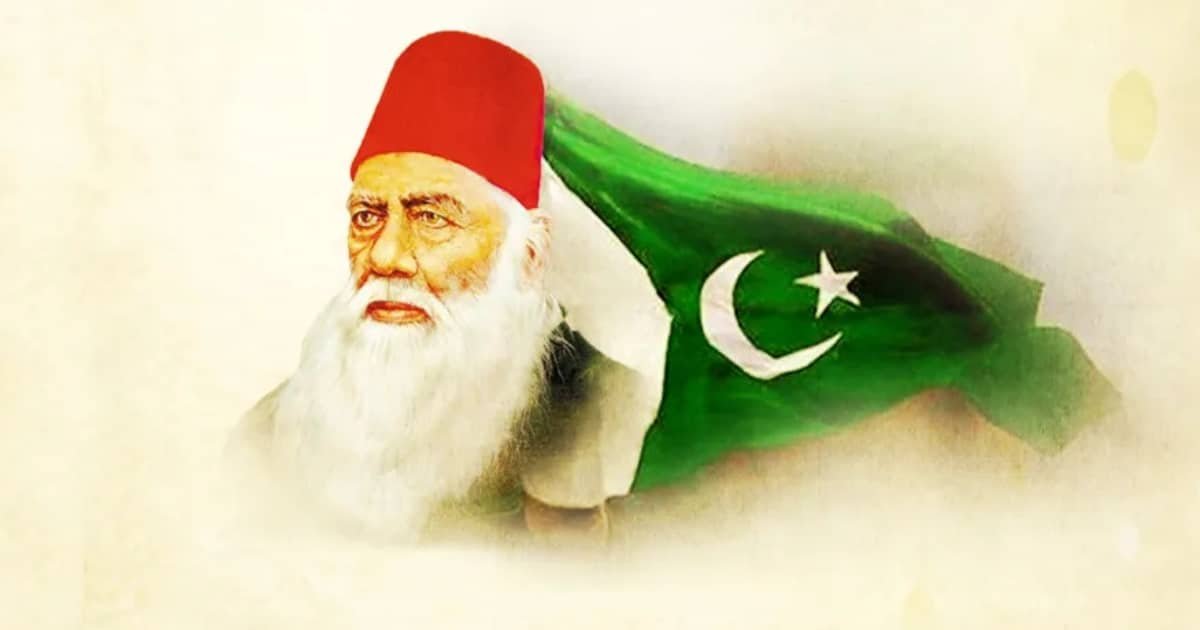





Sir Syed Ahmed Khan, a visionary educationist, social reformer, and political leader, is widely regarded as one of the most influential Muslim figures of the 19th century in British India. His life and work were dedicated to a singular, overarching goal such as the regeneration of the Muslim community in the face of the profound challenges posed by British colonial rule. He was a pioneer who understood that the survival and prosperity of Muslims depended on their ability to adapt to a new world order, one dominated by Western science, education, and political systems. His legacy is not just the institutions he founded but the intellectual and political foundations he laid for a modern Muslim identity in the Indian subcontinent.
The Aftermath of 1857: A Call for Change
The defining moment that shaped Sir Syed’s philosophy was the Indian Rebellion of 1857. The uprising, which he witnessed firsthand, had a devastating impact on the Muslim community. The British, who viewed Muslims as the primary instigators of the revolt, launched a campaign of retribution that led to the social, economic, and political disenfranchisement of the Muslim elite. Traditional institutions of Islamic learning were neglected, and Muslims found themselves falling behind Hindus, who were more willing to embrace British education and administrative systems.
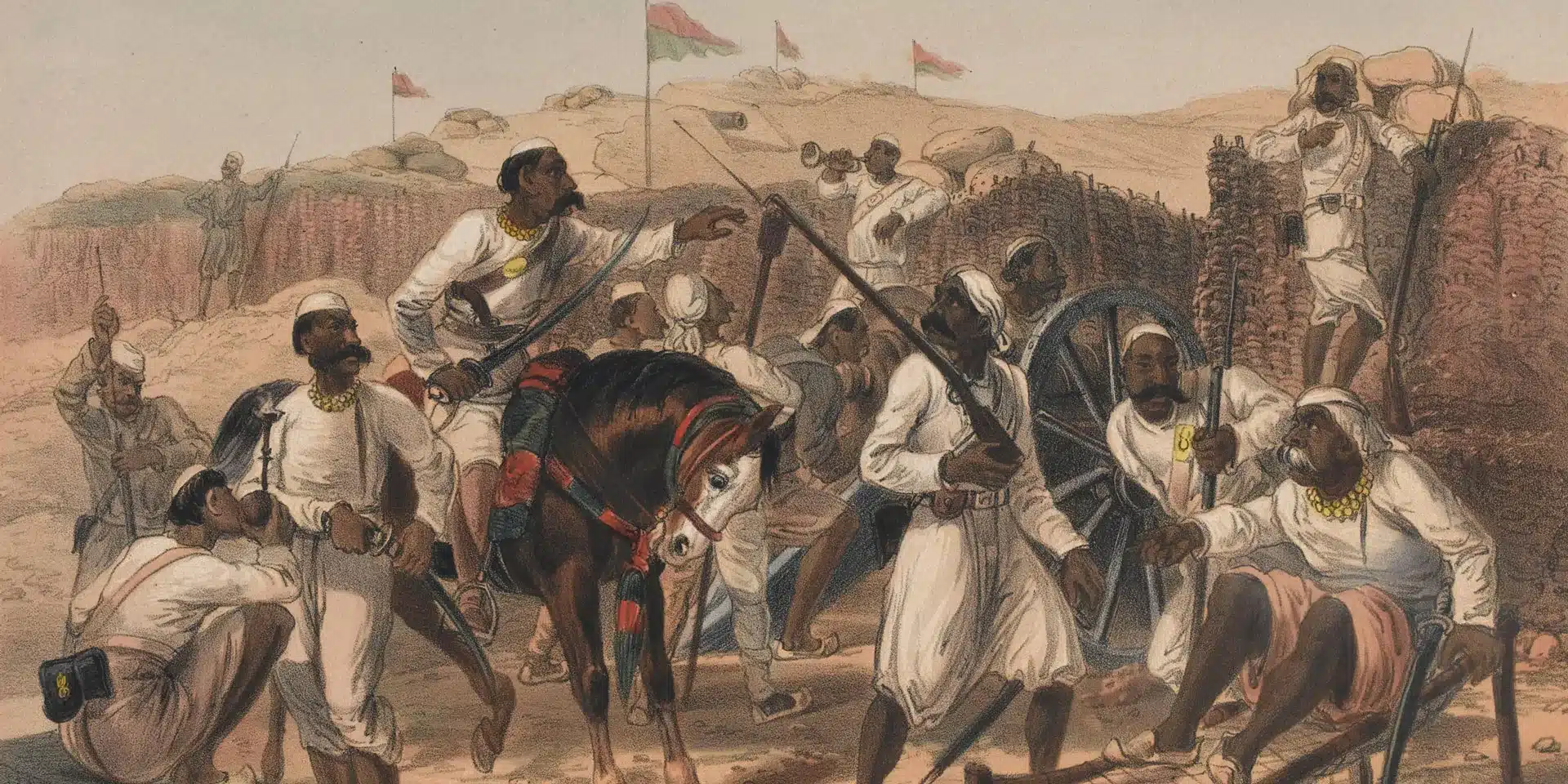
Sir Syed recognized that clinging to the past was a path to ruin. He argued that the only way for Muslims to regain their lost prestige was to reconcile with the British and, most importantly, to embrace modern Western education. He believed that without a strong foundation in science and technology, Muslims would be relegated to a state of perpetual backwardness.
You May Like To Read:
- The Historical Context: The Factors Fueling the Two-Nation Theory
- August 14, 1947: Celebrating History, Honoring Sacrifice, and Envisioning Pakistan’s Future
- Pakistan’s Top Military Leaders Decorated with Prestigious National Awards
The Aligarh Movement: Education as a Tool for Empowerment
Sir Syed’s most enduring contribution was the Aligarh Movement. He understood that a new mindset required new institutions. In 1875, he founded the Muhammadan Anglo-Oriental College (MAO College) in Aligarh, which was later elevated to a university in 1920. The MAO College was designed to be a unique blend of Eastern and Western learning, where students would receive a solid grounding in Islamic studies and culture while also being educated in modern sciences, humanities, and English.
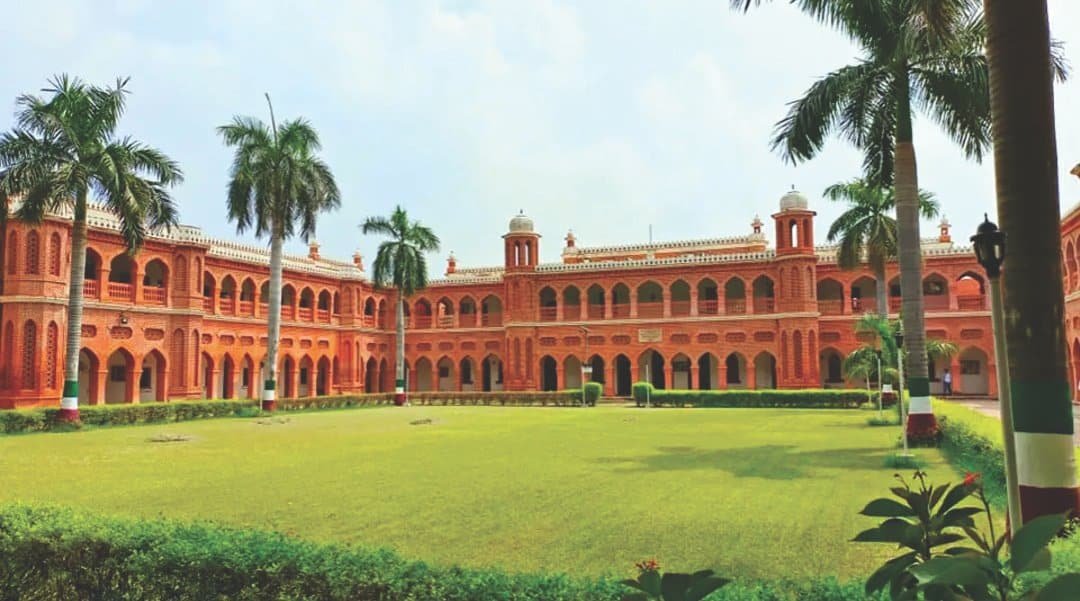
The college aimed to produce a new generation of Muslim leaders who were both well-versed in their religious traditions and equipped with the skills and knowledge necessary to compete in the British administrative system.
The Aligarh Movement went beyond the classroom. It was a comprehensive effort to reform Muslim society, promoting social and moral upliftment. Sir Syed actively campaigned against social evils like purdah, polygamy, and superstitious practices. He also used his influential magazine, Tahzib-ul-Akhlaq (The Social Reformer), to promote his ideas and encourage a more rational and tolerant interpretation of Islam. The movement fostered a sense of unity and shared purpose among Muslims, creating a common platform for political and social action.
Azadi Kay Heroes🇵🇰
🇵🇰CHAUDHRY REHMAT ALI
The man who coined the name “Pakistan”.SIR SYED AHMED KHAN
🇵🇰A pioneer of Muslim education and reform who awakened a new spirit among Indian Muslims.#PakistanHameshaZindabad pic.twitter.com/OWe4M8p9OA— PMLN (@pmln_org) August 14, 2025
Political Vision: The Dawn of a Separate Identity
Sir Syed’s political views were shaped by his belief that Muslims needed to secure their own political interests. He initially advocated for Hindu-Muslim unity, but as the Indian National Congress emerged, he grew concerned that a democratic system based on majority rule would leave the Muslim minority perpetually at a disadvantage. He famously advised Muslims to stay away from the Congress, arguing that their interests were distinct and that they should focus on self-improvement through education and social reform. This perspective was a precursor to the Two-Nation Theory. Sir Syed’s arguments, though controversial at the time, laid the intellectual groundwork for the idea that Muslims were a separate political entity, distinct from the Hindu majority.
He was a pragmatist who navigated the complex political landscape of his era with great skill. He understood that Muslims could not hope to challenge British authority at the time and that cooperation was the best path to progress. His political realism and unwavering focus on the upliftment of his community made him a towering figure of his time. Sir Syed Ahmed Khan’s life was a powerful example of how one individual, through sheer determination and intellectual foresight, could change the course of history for an entire nation. The institutions he built and the ideas he championed continue to influence the intellectual and political landscape of Pakistan and the broader Muslim world.