

The second term of Donald Trump has been characterized by a series of retentions to restructure international diplomacy with references to a series of peace agreements and ceasefires. In not only easing tensions between India and Pakistan, but also mediating a ceasefire between the Thailand-Cambodia border conflict and opening a historic Armenia-Azerbaijan transit route, Trump has courted a reputation on the world stage as a dealmaker once again.
His success in the areas of the Abraham Accords and other first-term initiatives may be seen as a logical extension of the precedent set by the Abraham Accords and other first-term initiatives, with his administration positioning these efforts as part of an ongoing policy of what it has described as peace through strength and trade, economic incentives and political leverage to attempt to get one step closer to the desired goal of a negotiated settlement on the issues.
You May Like To Read: Pakistan’s Trade Deficit Widens to $26.3 Billion in FY25
Although these actions are celebrated by those who believe that he has a unique approach to diplomacy, some critics think that they lacked depth and long-term viability, that there was simply not enough of the U.S. in them, and a debate is bound to ensue whether Trump 2.0 is evidence of true conflict resolution or what it is, political theater.
Ceasefire, and Peace Deals
The peace diplomacy conducted by Trump in his second term has been taking place in several regions.
India–Pakistan Ceasefire
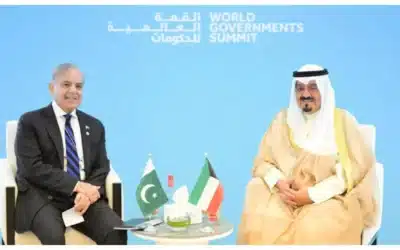
Among his most heavily advertised allegations, Trump has repeatedly claimed credit for an alleged 2025 brokered by his administration of what it purports to be the first-ever ceasefire between India and Pakistan. According to the White House account, the two nuclear-armed neighbors were on the verge of increased tensions at the border that were defused because of the efforts of the U.S. backchannel diplomacy and trade incentives. Pakistan vocally endorsed the influence of Trump, and even he recommended that it receive the Nobel Peace Prize. The truce has prevailed up until now, but fundamental conflicts of Kashmir are yet to be eliminated, leaving much to be desired in terms of the longevity of the truce.
.@PressSec: “@POTUS has brokered, on average, about one peace deal or ceasefire per month during his six months in office.”
• Thailand & Cambodia
• Israel & Iran
• Rwanda & the DRC
• India & Pakistan
• Serbia & Kosovo
• Egypt & Ethiopia pic.twitter.com/rIuOhGrC9G— Trump War Room (@TrumpWarRoom) July 31, 2025
Thailand-Cambodia Border Truce
The other crucial assertion will be on the settlement of violent conflicts along the Thailand-Cambodia border around the Preah Vihear temple, which had displaced hundreds of thousands over the decades. Trump officials report they engaged in shuttle diplomacy in providing incentives in order to bring the two governments to the table. The prime minister of Cambodia, Hun Manet, lauded the effort, which saw him officially nominate Trump for the Nobel Peace Prize. The ceasefire has minimized the violence in the short term, but observers caution that unless the painful historic differences are reconciled and contested borders resolved, the threat of new hostilities is imminent.

Source: CNN
Expansion of Abraham Accords
Trump 2.0 has sought to expand the framework of the 2020 Abraham Accords, which have normalized relations between Israel, the UAE, Bahrain, Morocco, and Sudan. His government has considered the possibility of involving other partners, to which Saudi Arabia has frequently been mentioned as the possible signatory, as well as promoting the indirect negotiations to minimize tensions between Israel and Iran. The U.S has even made diplomatic silent overtures to settle differences between Egypt and Ethiopia over the rights to Nile water. Its proponents view the accords as an example of transactional diplomacy that established interdependence in the economy, which is aimed at securing peace, whereas opponents warn that such an approach fails to address the underlying issues in the region, like the Israeli-Palestinian conflict.
Armenia-Azerbaijan Transit Corridor Agreement
In August 2025, Trump welcomed Armenian and Azerbaijani leaders to mark the TRIPP (Trump Route to International Peace and Prosperity), an agreement that would run a transit corridor through southern Armenia connecting Azerbaijan to its exclave of Nakhchivan and Turkey. The treaty is seen to hold economic advantages and is sought to cut the Russian influence in the South Caucasus. Although this measure has been described as a diplomatic breakthrough, hostility and mistrust of Yerevan and Baku over Nagorno-Karabakh and security along the common borders persist, and it is uncertain whether TRIPP is a stepping stone toward long-lasting peace or just a short brush with interests converging.
You May Like To Read: Azerbaijan and Armenia Sign Landmark U.S.-Brokered Peace Deal
Restrictions of the Trump Peace Measures
The key joke of Trump’s lies is in fast and expensive deals supported by trade deals and financial opportunities. Although this approach is effective in preventing fights in the short term, it does not necessarily resolve the underlying problems that lead to conflicts. Some of the peace treaties, like the India-Pakistan ceasefire or the ceasefire offered in Thailand-Cambodia, are still delicate and are likely to be breached in case of economic rewards being failed on time or in case of renewal of political circumstances.
Critics assert that other such deals are more political in establishing an uncompromised peace. In some other instances, the application of the Trump administration has not been so direct as in the refusal by India to accept the American claims of mediation. Unless there is good follow-up, such as in forming trust, resolving territorial issues, and promoting long-term stability, there is a very toxic possibility that such agreements may fall apart. This is why the strategy of Trump would be efficient in winning swiftly, as it is less reliable in putting a lasting peace.
Way to the Nobel Peace Prize
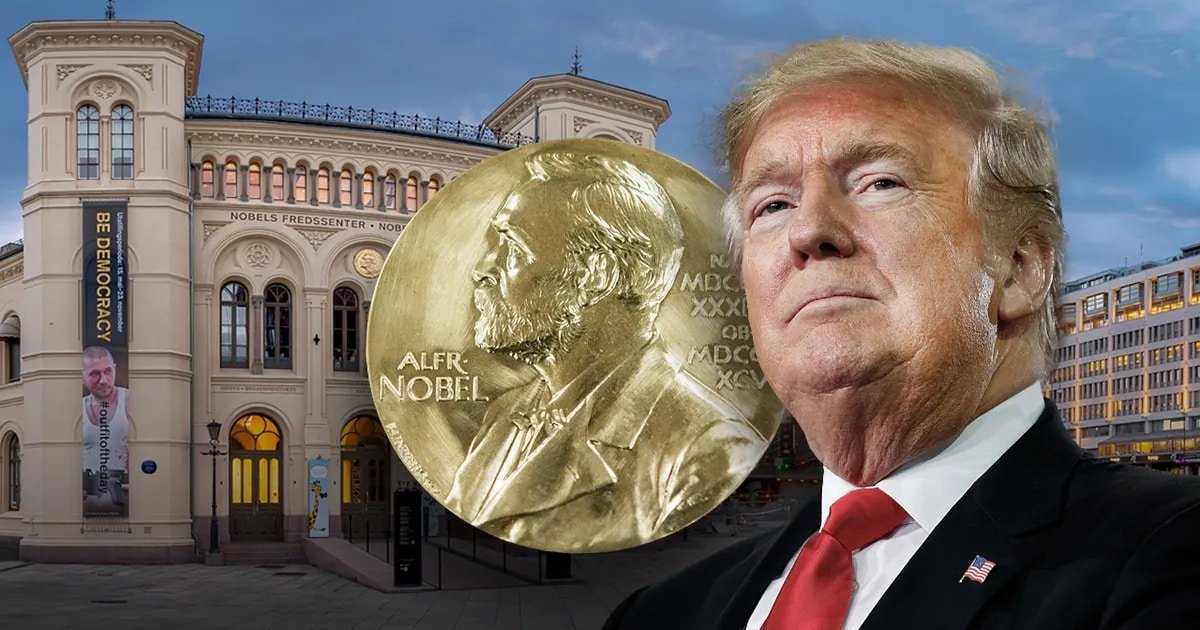
The Trump administration has been ready to take in the notion of the Nobel Peace Prize and uses the support of Cambodian and Pakistani leaders, along with such as the Israeli prime minister, to show its influence around the world. The advocates cite his purported role in several ceasefires in the South Asian region to Southeast Asia and the South Caucasus as evidence that he had done more in the brief time than several customary diplomats had done in years. According to them, his peace through strength and trade policy is an alternative conflict resolution model, which should be heard all over the world. The award will be given to people who have made a resounding contribution to peace that has an impact and is permanent, rather than merely a ceasefire or a grandstanding statement. Most of Trump’s deals are not mature, weak, and contentious concerning the factual American participation.