



The Trump administration’s reported 2025 immigration restrictions have sparked intense national debate. According to critics and media accounts, officials suspended asylum claims and paused processing for immigration applications, including green card requests, for people from nineteen countries. These nations are described as undergoing a retroactive security review affecting individuals who entered the United States on or after January 20, 2021.
🚨TRUMP SLAMS THE DOOR SHUT — ILLEGAL IMMIGRATION CRACKDOWN GOES HISTORIC
A major announcement tonight — and it’s one that will send shockwaves across the globe.
President Trump has now taken the most aggressive action in U.S. history to shut down illegal immigration and to… pic.twitter.com/L5KoNJWhk0
— Jim Ferguson (@JimFergusonUK) December 2, 2025
Homeland Security Secretary Kristi Noem has also indicated that the administration may expand the travel ban to more than thirty additional states that the President allegedly labels “Third World” countries. Supporters argue that these measures strengthen national security following a high-profile shooting incident in Washington, D.C. involving a former Afghan security official.
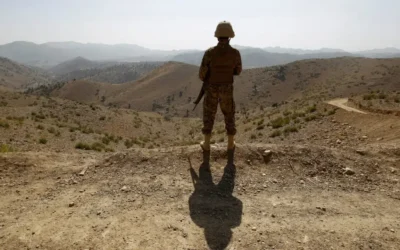
Critics, however, claim the crackdown ignores the complex realities faced by asylum seekers from conflict-affected countries such as Afghanistan, Libya, Yemen, Cuba, and Venezuela, many of which have experienced past U.S. interventions. Human rights advocates warn that potential deportations could endanger Afghan interpreters, activists, and former partners of U.S. forces living under the Taliban regime.
You May Like To Read: Islamabad Conclave: Regional Cooperation to Combat Transnational Terrorism Threats in South Asia
However, Analysts describe the policies as sweeping and punitive, raising concerns that broad restrictions may function as collective punishment rather than targeted security measures.