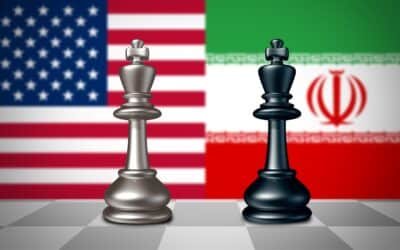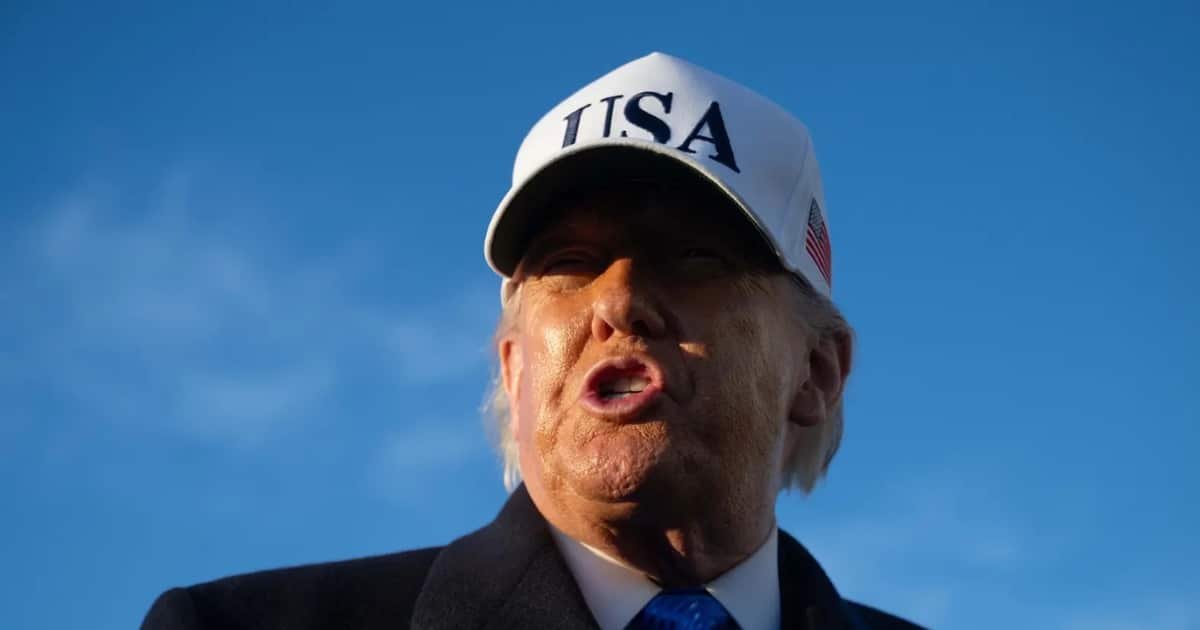



President Donald Trump has delivered a blunt warning to NATO allies, stating the alliance faces a “very bad” future if European nations fail to assist in reopening the Strait of Hormuz. In a telephone interview with the Financial Times on Sunday, the President argued that as the primary beneficiaries of the waterway’s oil flow, European and Asian allies must share the burden of “policing” it against Iranian “bad actors.”
The ultimatum comes as global oil prices surged to $106 per barrel on Monday following the effective closure of the world’s most critical energy chokepoint.
BREAKING President Donald Trump says NATO faces a “very bad” future if US allies fail to help open the Strait of Hormuz, the critical oil transport conduit effectively shut by Iran in the Mideast war pic.twitter.com/RPDJi0hwkr
— AFP News Agency (@AFP) March 16, 2026
The NATO Ultimatum: “Whatever It Takes”
President Trump linked future U.S. commitment to NATO directly to allied cooperation in the Middle East, calling the current relationship a “one-way street.”
-
The Demand: Trump is seeking “whatever it takes” to secure the Strait, specifically requesting minesweepers and combat support to “knock out” Iranian forces along the shoreline utilizing naval mines and drones.
-
The Ukraine Comparison: The President pointed to U.S. aid for Ukraine as a favor that should now be returned. “We didn’t have to help them with Ukraine… Now we’ll see if they help us,” he noted, suggesting that a negative response would jeopardize the alliance’s long-term stability.
-
China’s Role: Trump also urged China to contribute, noting they receive 90% of their oil through the Strait, and threatened to delay his upcoming March summit with President Xi Jinping until Beijing clarifies its position.
Friction with the UK: “Too Little, Too Late”
The President expressed deep frustration with British Prime Minister Keir Starmer, revealing a sharp divide in the “Special Relationship” over the timing of UK support.
-
Initial Refusal: Trump claimed that despite being a “No. 1 ally,” the UK initially declined to participate in the joint U.S.-Israeli strikes that began on February 28.
-
The “Two Ships” Offer: Trump mocked London’s recent offer to send two warships, stating they were offered only after the U.S. had already “wiped out” Iran’s military capacity. “We need these ships before we win, not after we win,” he told the Financial Times.
-
Base Access Dispute: Reports indicate the rift was deepened by Starmer’s initial refusal to allow U.S. B-2 bombers to launch from British bases like Diego Garcia during the war’s opening “decapitation” phase.
NATO’s Official Stance: Non-Participation
Despite the President’s pressure, NATO leadership has maintained a cautious distance from the conflict.
-
The Rutte Doctrine: NATO Secretary General Mark Rutte has consistently stated that “NATO is not itself involved” in the Middle East escalation, though he praised the U.S. for degrading Iran’s nuclear capabilities.
-
Alliance Split: While Eastern European members (Poland, Baltic states) have voiced support for the U.S. action, major powers like France, Germany, and the UK have limited their roles to “defensive” operations and force protection for their own regional assets.
You May Like To Read: IRGC Issues Assassination Threat Against Netanyahu
Impact on Global Energy Markets
The “artificial constraint” on the Strait of Hormuz continues to rattle global markets. On Monday, the international benchmark Brent crude rose nearly 3% to $106.11, with analysts warning of a global fuel shortage within days if a coalition fails to clear Iranian naval mines and secure the passage.
Check out our latest video: