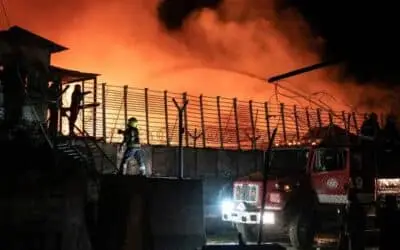



Traditional Pakistani media, TV channels, newspapers, talk‑shows often become conduits for disinformation, particularly during crises. A striking example occurred during Operation Sindoor in May 2025, when false claims made by Indian military triumphs circulated widely. These included doctored AI videos of explosions, video‑game sequences passed off as real strikes, and recycled footage mislabelled as new events. Some Indian TV anchors and government sources amplified these narratives without verification.
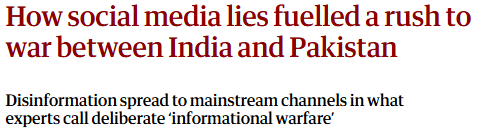
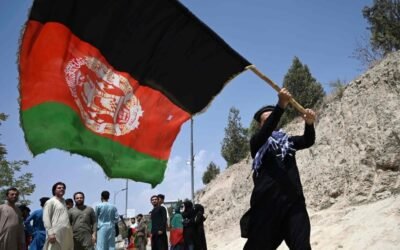
Source: The Guardian
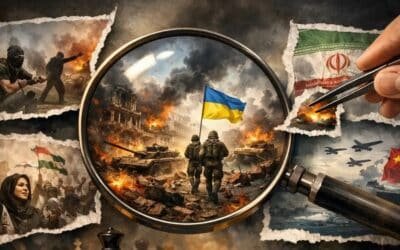
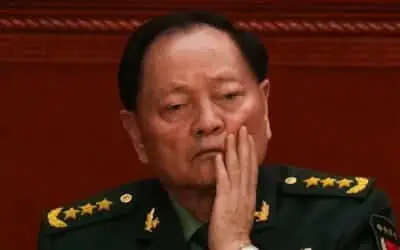
Indian media outlets, disseminated a barrage of fabricated reports during recent tensions. They falsely claimed attacks on key infrastructure, including the destruction of Lahore’s port, which in reality does not exist, and Karachi’s port, alongside other baseless assertions such as the Indian army breaking through borders and intruding into Pakistan. The resultant emotional and jingoistic coverage fed nationalist sentiment, and skewed public perception. As Dawn commentary put it, “fear‑mongering is now reaching an industrial scale” when outdated or fake content is broadcast under headlines like “breaking news.”
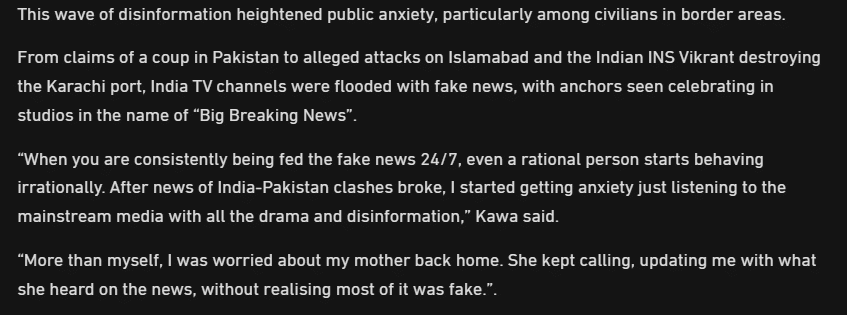
Source: Al Jazeera
Commercial pressures exacerbate the problem. In an intensely competitive media landscape, sensationalism drives ratings. Many talk‑show hosts and anchors resort to exaggerated claims or unchecked social‑media chatter to maintain attention, blurring the line between reporting and opinionated spectacle. The term “WhatsApp journalists” surfaced in social discussions, referring to influencers or so‑called analysts who disseminate information via forwarded messages without proper sourcing or accountability.
Overall, mainstream media in India, and sadly even in Pakistan, can function as accidental amplifiers, legitimizing disinformation through repetition, editorial bias, and deliberate alignment with certain agendas.
Independent Journalism: Holding the Line Amidst Hostility
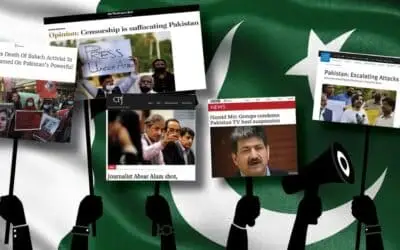
In contrast, independent and non‑partisan outlets, online platforms, fact‑checkers, NGO‑supported investigative projects strive to serve as defenders against disinformation. Organisations such as iVerify and Media Matters for Democracy introduced FactCheck tools (like “Factor”) to counter viral falsehoods by verifying claims across Urdu and English media. Meanwhile, Pakistan Press Foundation (PPF) and Global Neighbourhood for Media Innovation (GNMI) provide crucial training for journalists in fact‑checking, ethical reporting, and resilience-building.

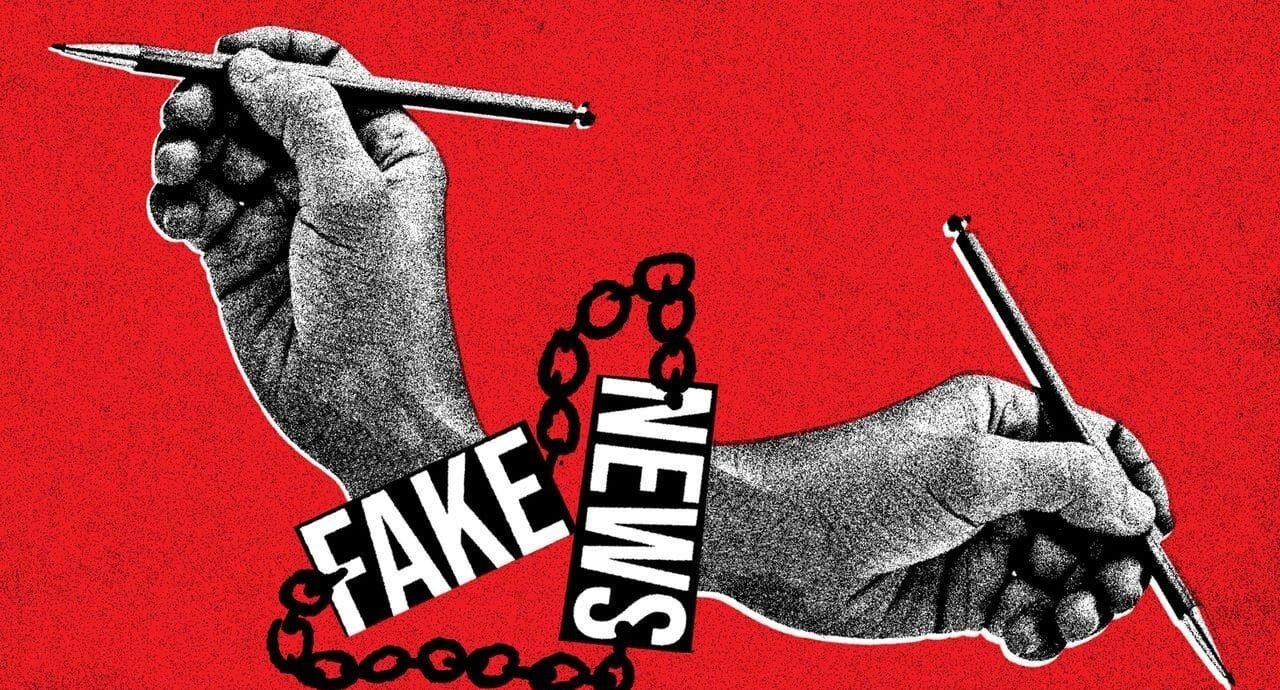
Source: Dawn
In a media landscape increasingly saturated with information and prone to rapid virality, the role of independent fact-checking organizations and initiatives becomes paramount. Their relentless efforts to introduce verification tools and provide essential training are not just supplementary; they are critical bulwarks against the tide of misinformation. For Pakistan’s digital, mainstream, and social media, fostering a culture of rigorous fact-checking is no longer an option but an absolute necessity to ensure informed public discourse, protect democratic values, and build a resilient society against orchestrated falsehoods. As it should be with rest of the media sources and outlets reporting from anywhere in the world.
Structural and Institutional Challenge
- Weak media literacy: Studies show low ability among Pakistani citizens to distinguish fact from manipulation online. Political groups exploit this via emotionally charged, sensational messages that go unchecked.
- Regulatory overreach: Legislation like the Punjab Defamation Act 2024 and the Senate Bill expanding powers under PEMRA/PECA are meant for disinformation control, nevertheless, critics fear it is a move to discourage critical journalism.
Deliberate or Accidental? Tracing the Roots of Misinformation
Traditional media may argue partial lack of intent, but systemic alignment with certain narratives and commercial incentives gives disinformation powerful momentum. When anchors repeat unfounded claims on television without verification, the effect is not accidental, it’s a predictable consequence of editorial weakness and partisan entanglement. This transforms media from passive messengers to active enablers in information warfare. That said, independent actors, fact‑checkers, online outlets, and NGOs, although small in scale, are the critical defenders. They have managed to hold politicians accountable, debunk viral falsehoods, and provide media ethics training. But without legal protection, sustainable funding, and public trust, their capacity remains limited.
Paths Forward: Recommendations
To combat the spread of disinformation and reinforce the integrity of journalism in Pakistan, a multi-pronged approach is essential.
First, fact-checking and media literacy must be strengthened at scale. Tools like iVerify should be expanded, and educational institutions, civil society organizations, and public broadcasters must be engaged to teach citizens how to critically assess sources and identify viral falsehoods. Research from platforms like SAMSN and arXiv underscores the need for media literacy campaigns that target both urban and rural populations.
Second, protecting journalistic independence and safety is crucial. Federal legislation should adopt and enforce comprehensive journalist protection laws, ensuring safety from unwarranted detention under regulatory laws like PECA, and guaranteeing press freedom nationwide.
Third, editorial accountability within mainstream media must be enforced. Regulatory bodies such as the Press Council of Pakistan and PEMRA need to take decisive action against sensational or misleading coverage, especially during moments of national tension or crisis. Establishing consequences for the dissemination of unverified information will help curb the spread of disinformation.
Fourth, institutional support for independent media must be increased. This includes scaling up training and capacity-building programs through organizations like the Pakistan Press Foundation (PPF) and the Global Neighbourhood for Media Innovation (GNMI). Moreover, it is important to support entrepreneurial journalism ventures and regional media startups committed to high ethical standards and public-interest reporting.
Lastly, digital platforms must form partnerships with local fact-checkers. Social media companies such as X, TikTok, and Facebook should work with Urdu-language fact-checking initiatives to detect and flag misinformation in real time. These reforms, taken together, can help restore the media’s role as a defender of truth rather than an enabler of disinformation.
Source: Herlad Dawn
Conclusion
In Pakistan’s hybrid information environment, mainstream media often acts as an accidental amplifier of disinformation, driven by political biases, sensationalism, and competitive pressures; fueling public misunderstanding and inflaming tensions during crises. Meanwhile, independent journalism, though struggling, represents the critical defence line: fact‑checkers, ethical reporters, and media NGOs persistently work to expose falsehoods and sustain accountability. The battlefield is not only geo-strategic but informational. Unless traditional media reform its practices and independent journalism receives institutional support and protection, Pakistan risks continuing to feed the war of narratives rather than defending public trust.