


In a high-tension diplomatic maneuver aimed at averting a full-scale military confrontation, senior officials from the United States and the Islamic Republic of Iran are expected to meet for direct discussions in Oman within the coming hours.
The meeting comes at a critical juncture, following a massive U.S. military build-up in the Middle East and a domestic crisis in Iran characterized by the violent repression of nationwide anti-government protests. Human rights groups estimate the recent unrest has resulted in thousands of fatalities and tens of thousands of arrests.
📍 US and Iranian delegations began Oman-mediated indirect talks focused on the nuclear issue in Muscat
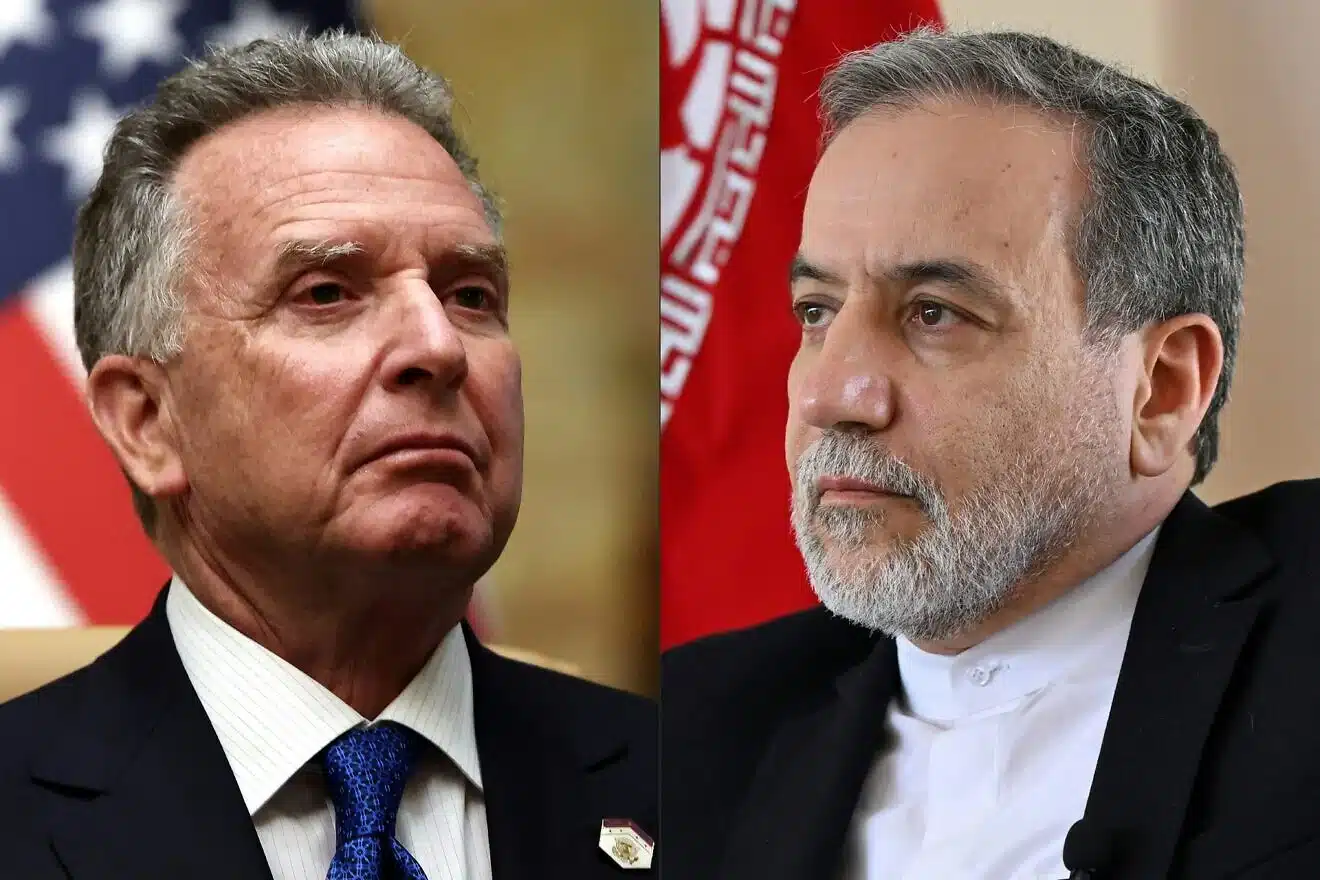
➡️ Iran is represented by a delegation led by Foreign Minister Abbas Araghchi
➡️ US special envoy Steve Witkoff and Jared Kushner, Trump’s son-in-law and an unofficial aide,… pic.twitter.com/hpk0dVuxD7
— Anadolu English (@anadoluagency) February 6, 2026
Key Delegations and Framework
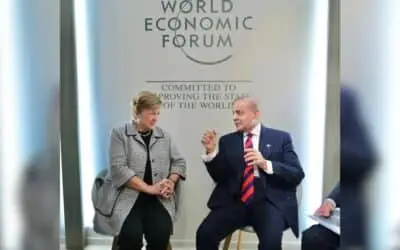
The Iranian delegation is led by Foreign Minister Abbas Araghchi, who recently signaled Tehran’s readiness for conflict, stating that armed forces have “their fingers on the trigger.” Representing the United States are Special Envoy Steve Witkoff and Jared Kushner, signaling the direct involvement of President Donald Trump’s inner circle.
While the talks were initially proposed for Istanbul by regional mediators Egypt, Turkey, and Qatar, the location was moved to Oman at the eleventh hour following a request from Tehran.
Diverging Agendas: Nuclear vs. Regional Stability
Significant gaps remain between the two nations’ objectives for the dialogue:
- The U.S. Position: Demands a total freeze of Iran’s nuclear program and the disposal of its 400kg stockpile of enriched uranium. U.S. Secretary of State Marco Rubio has emphasized that “something meaningful” can only be achieved if the talks expand to include Iran’s ballistic missile program, its support for regional proxies (the “Axis of Resistance”), and its human rights record.
- The Iranian Position: President Masoud Pezeshkian has instructed his team to pursue “fair and equitable negotiations,” but Tehran maintains that discussions should be limited strictly to the nuclear program. Iran continues to reject the transfer of its uranium stockpile to a third country, though it has hinted at openness to a regional enrichment consortium.
A History of Escalation
This encounter marks the first formal meeting between the two sides since the military strikes of June 2025, when the U.S. bombed three of Iran’s primary nuclear facilities. For the Iranian leadership—currently facing its weakest domestic position since the 1979 Revolution—these talks are widely viewed by analysts as a final opportunity to avert further U.S. military action.
President Trump has recently reinforced his “maximum pressure” stance, deploying an “armada” of warships, fighter jets, and thousands of troops to the region. When asked if Iran’s Supreme Leader should be concerned, the President told media, “I would say he should be very worried.”
Regional Implications
Neighboring countries remain on high alert, cautioning that while a military “off-ramp” is desired, a strike could trigger a wider regional conflict. For Iran, the lifting of crippling economic sanctions remains the primary goal, a move that regime opponents argue would provide a vital lifeline to the clerical leadership.
The international community now watches Muscat, hoping these preliminary discussions can establish a framework for a lasting de-escalation in one of the world’s most volatile corridors.