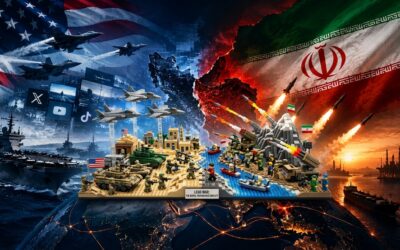
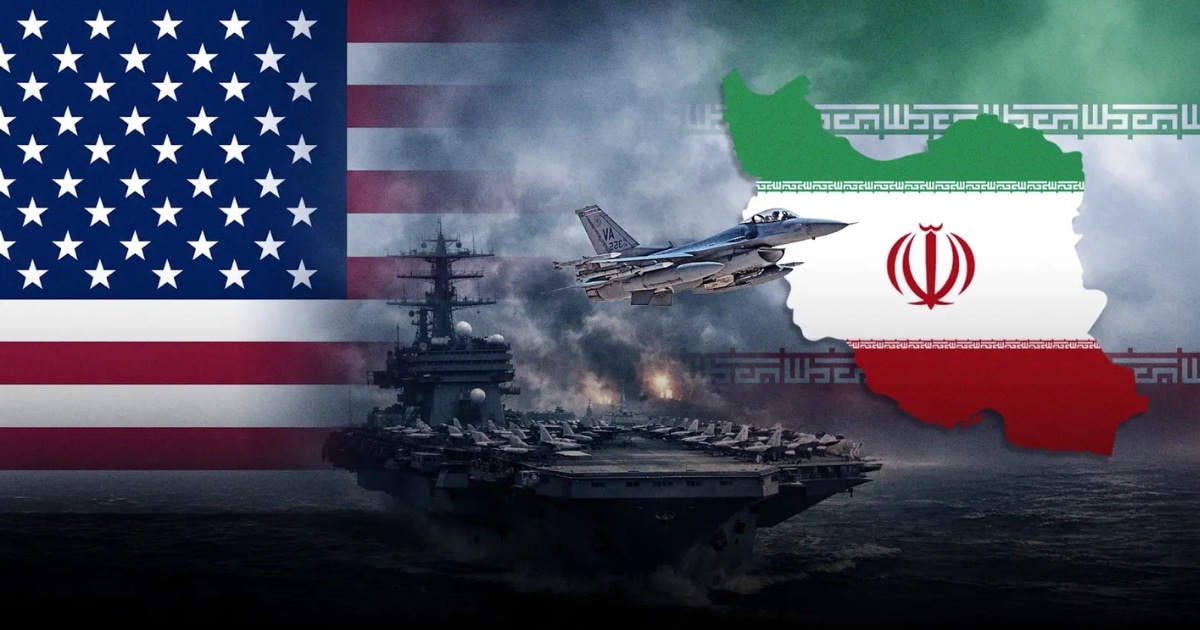



The conflict between Iran, the United States, and Israel has entered a dangerous new stage as Iran’s Revolutionary Guard (IRGC) signals that major global technology companies could become potential targets. The IRGC-linked Tasnim news agency released a list of offices and infrastructure connected to companies such as Google, Microsoft, Palantir Technologies, IBM, Nvidia, and Oracle Corporation.
According to Iranian sources, these companies provide cloud services, data processing, and artificial intelligence technology that allegedly support Israeli military operations. Tehran claims that if the war continues to expand into what it calls an “infrastructure war,” facilities linked to such technology could be considered legitimate targets.
BREAKING: Iran War Escalation
🇮🇷 🇮🇱 🇺🇸 Iran is expanding its targets
Iran has published a hit list naming Google, Amazon, Microsoft, Nvidia, IBM, Oracle, and Palantir offices across Israel, Dubai, and Abu Dhabi as legitimate targets — CNN
Billions of dollars in investments are… pic.twitter.com/5WdNtAvHVf
— Globe News 24/7 (@GlobeCitizeNews) March 11, 2026
Diplomacy, Warnings, and Regional Tensions
Iran’s Foreign Minister Seyed Abbas Araghchi has urged Antonio Guterres, the Secretary-General of the United Nations, to condemn what Tehran describes as US-Israeli aggression. Iran argues that recent strikes have damaged civilian infrastructure, including schools, hospitals, and residential areas, calling the attacks violations of international humanitarian law.
Tehran has also warned that if US military action continues, American bases across the region could be targeted, potentially widening the conflict far beyond its current battlefield.
Why the World Is Watching Closely
The war is already sending shockwaves through the global economy and energy markets. The strategic Strait of Hormuz, through which about one-fifth of the world’s oil passes, has become a major flashpoint. Concerns about disruption to shipping routes have pushed oil prices higher and raised fears of a broader economic crisis. Major global concerns include:
-
Possible disruption of oil shipments through the Strait of Hormuz
-
Rising global fuel and food prices
-
Increased cyber and infrastructure risks involving technology companies
-
Growing military escalation across the Middle East
Impact Spreads Across the Region
Missile strikes, drone attacks, and air defenses have been reported across several Middle Eastern countries, including Israel and Gulf states. Meanwhile, global leaders are preparing urgent discussions on energy security and economic stability. As tensions rise and both sides continue fighting, analysts warn that the conflict could reshape regional security and have lasting consequences for the global economy.
You May Like To Read: Precision and Accuracy: PAF Conducts Intelligence-Based Strikes on TTP and ISIL-K Strongholds
Check out our latest video: