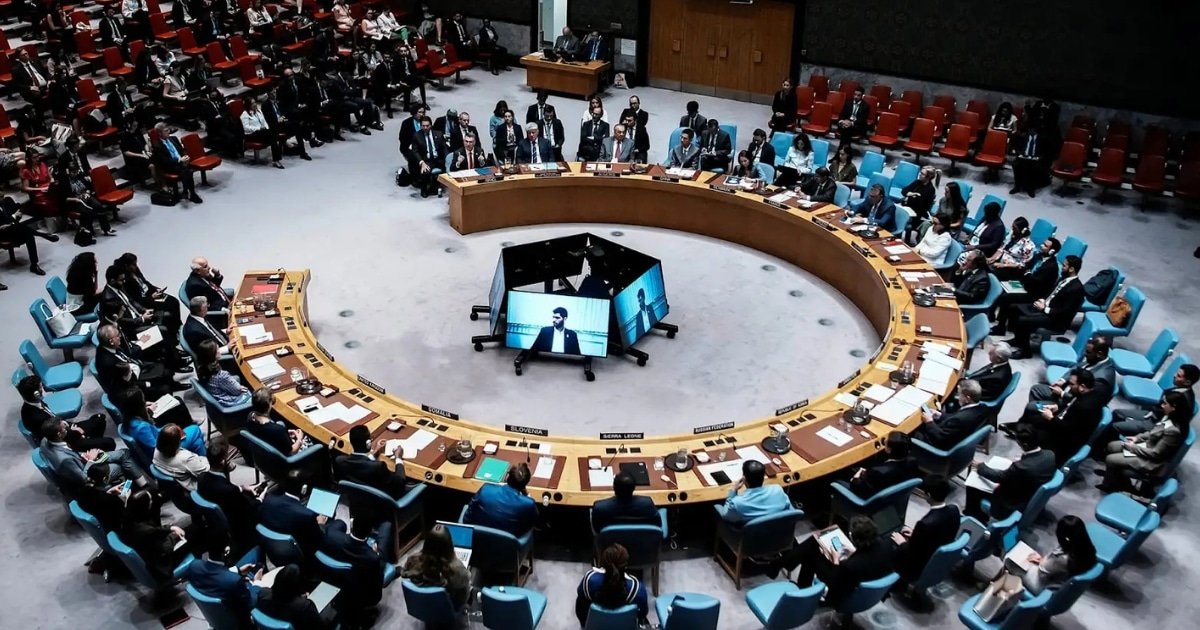



The United Nations Security Council (UNSC) has unanimously adopted Resolution 2816 (2026), extending the mandate of the Analytical Support and Sanctions Monitoring Team for another 12 months. The vote, held on February 12, 2026, ensures continued international oversight of the 1988 Sanctions Committee, which monitors asset freezes, travel bans, and arms embargoes against individuals and entities linked to the Taliban.
Today the @UN Security Council unanimously renewed the 1988 sanctions regime against the Taliban.
The Taliban must take meaningful steps to adhere to their international obligations, including on counter terrorism and protecting the rights of women and girls. pic.twitter.com/Po1whmyYPa
— UK at the UN 🇬🇧🇺🇳 (@UKUN_NewYork) February 12, 2026
Key Outcomes of Resolution 2816
-
Mandate Extension: The Monitoring Team’s authority is now secured until February 17, 2027.
-
Unanimous Agreement: All 15 Council members, including the United States, China, and Russia, voted in favor, signaling a rare moment of consensus on Afghan security.
-
Travel Ban Enforcement: Notably, travel-ban exemptions for several senior Taliban leaders were not renewed, signaling increased pressure from the international community.
UNSC unanimously adopts draft resolution renewing mandate of Monitoring Team supporting 1988 Afghanistan Sanctions Committee for twelve months@PakistanUN_NY #RadioPakistan #news https://t.co/sl5h0zcjZD
— Radio Pakistan (@RadioPakistan) February 13, 2026
The US Position: Accountability and Hostage Diplomacy
In her remarks following the vote, Ambassador Tammy Bruce, the U.S. Deputy Representative to the UN, emphasized that the Monitoring Team is a vital tool for holding the Taliban accountable. Bruce specifically called out the “deplorable tactics” of hostage diplomacy.
“The Taliban continue to use detainees as leverage in negotiations against the United States and other countries,” Ambassador Bruce stated. “They have openly sought the release of an al-Qaida operative in Guantanamo Bay in exchange for Americans currently detained. This must end.”
Regional Security Risks
The renewal comes amid heightened concerns regarding a “permissive environment” for terror groups. Pakistan’s Permanent Representative, Asim Iftikhar Ahmad, voiced sharp concerns during the session, noting that the TTP (Tehreek-e-Taliban Pakistan) and al-Qaeda continue to operate from Afghan soil. Recent UN reports corroborate these findings, suggesting that al-Qaeda provides training and advisory services to the TTP within Afghanistan.
You May Like To Read: Turkish Foreign Minister Dismisses Iran Regime Change as a ‘Pipedream’
Check out our latest video: