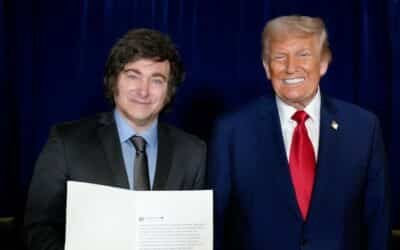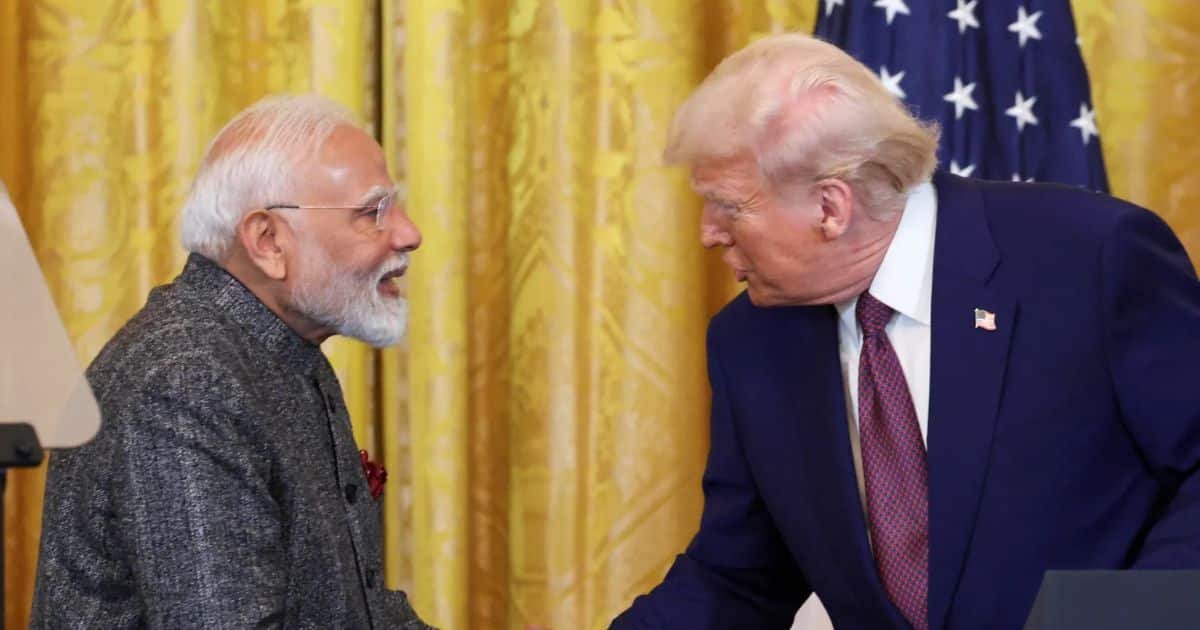



The United States and India unveiled a historic interim trade framework following a year of escalating tariffs and geopolitical friction. The deal, announced after direct talks between President Donald Trump and Prime Minister Narendra Modi, resets the trade relationship by slashing U.S. tariffs on Indian goods from a peak of 50% down to 18%. In return, India has pledged to buy $500 billion in American goods, including energy, aircraft, and technology, over the next five years.
The most contentious part of the agreement involves Russian oil. President Trump claims India has committed to halting all Russian crude purchases in favor of U.S. and potentially Venezuelan oil. While an executive order rescinded a 25% “penalty tariff” linked to the Russian trade, India’s Joint Statement remained silent on a formal ban. Commerce Minister Piyush Goyal clarified that oil decisions are made by private companies, though Indian imports from Russia have already hit a 38-month low.
🚨Trade Deal Row🇺🇸🇮🇳
Trump states India agreed to halt Russian oil imports for tariff cuts.
New Delhi officials formally deny this condition exists. 🚫 pic.twitter.com/PPRTTOOEQc— The Plain Update (@PlainUpdate) February 9, 2026
While Indian stock markets surged on the news, domestic farmer unions have called for protests on February 12, fearing that cheaper U.S. imports of soybean oil and sorghum will undercut local prices. Opposition leaders have labeled the deal a “surrender,” but the government insists the path to a $30 trillion economy requires this level of strategic alignment with Washington.
You May Like To Read: