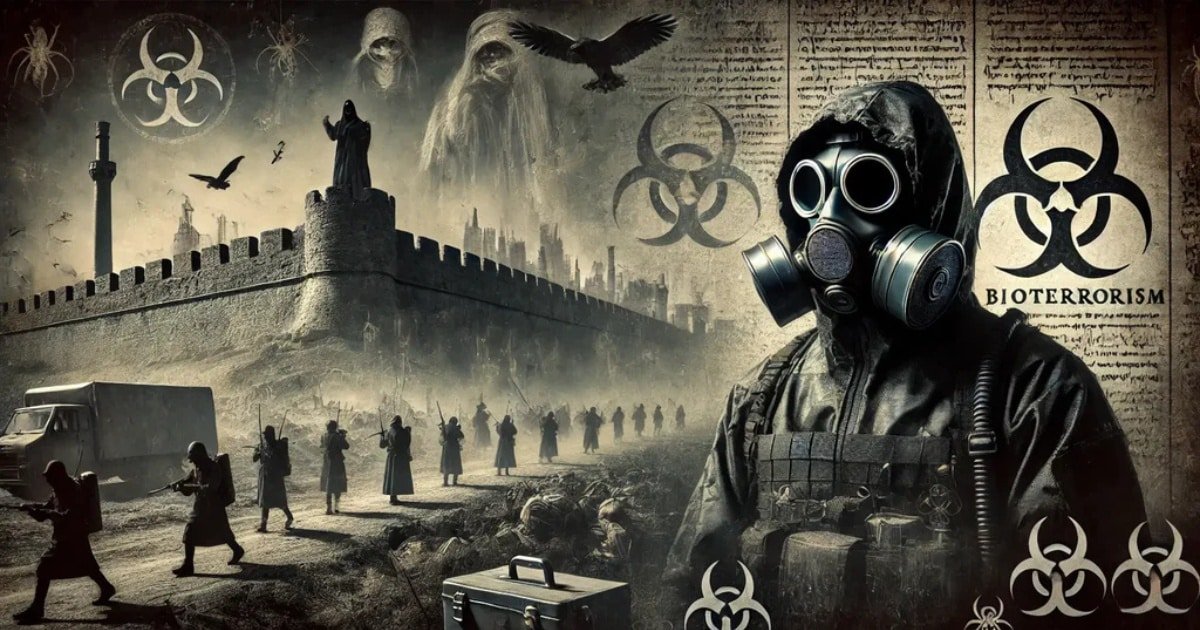





Rapid breakthroughs in synthetic biology and gene editing—such as CRISPR and AI-assisted genome design—have fundamentally altered the biosciences landscape. While these technologies hold vast promise for healthcare and sustainability, they also raise profound risks. Specifically, dual-use research—scientific work that can be redirected toward malevolent ends—has reintroduced the specter of bio-terrorism. The question now is whether global biosafety and biosecurity systems are robust enough to manage these evolving threats.
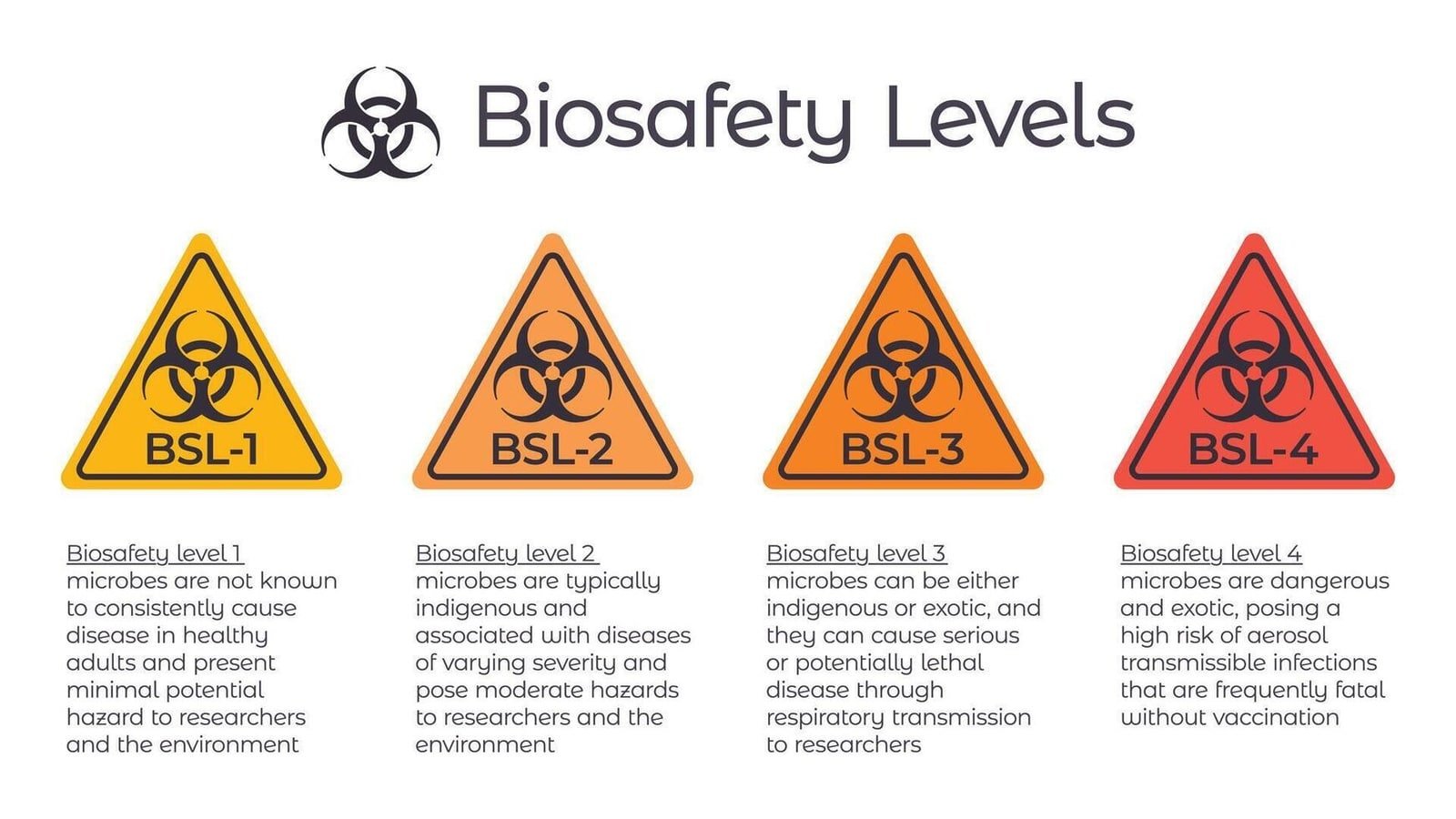
Dual-Use Science: Promise Meets Peril
Synthetic biology’s transformative potential lies in its ability to engineer organisms for diverse beneficial applications. Yet, this capacity is hardly exclusive to peaceful ends. As the Carnegie Endowment notes, gene editing and synthetic gene synthesis are inherently dual-use—capable of creating pathogens more transmissible, lethal, or novel, especially when augmented by AI and machine learning capabilities.
Notable historical examples—including the recreation of horsepox at a Canadian lab—highlight the ease with which even eradicated or extinct pathogens might be resurrected. The potential to engineer novel biothreats has raised alarms among scientists and defense agencies alike.
Preparedness Gaps in Biosafety and Biosecurity
1. International Oversight Weaknesses
While the Biological Weapons Convention (BWC) prohibits development or use of biological weapons, it lacks a robust verification regime or enforcement mechanisms. This deficit severely limits global oversight.
Happy 45th birthday to the #BiologicalWeaponsConvention! #OnThisDay in 1975 the treaty entered into force comprehensively banning biological warfare as repugnant to the conscience of humanity. To mark the anniversary we’ve made this short video with funding from the EU. pic.twitter.com/q8Kj6YwAgw
— BWC Implementation Support Unit (@BWCISU) March 26, 2020
2. Fragmented National Approaches
The global landscape is marked by uneven biosafety standards. For instance, a 2022 assessment highlights that approximately 94 percent of countries lack national-level dual-use oversight mechanisms.
3. DURC and ePPP Governance Deficits
Dual Use Research of Concern (DURC) and Enhanced Potential Pandemic Pathogens (ePPP) present acute risks. Despite U.S. policy frameworks (e.g., DURC oversight, P3CO), broader global governance remains nascent.
4. Cyberbiosecurity Threats
Emerging threats now span both biological and digital realms. Research has shown that malicious genetic payloads could be delivered via cyber-biological vectors, bypassing traditional physical containment.
5. Rapid Tech Evolution Outpacing Policy
AI-enabled synthetic biology magnifies risks by lowering the barrier for engineering pathogens. Yet governance structures are struggling to keep pace.
Emerging Responses and Innovations
- AI-Powered Detection Tools: Technologies like Ginkgo Bioworks’ ENDAR can flag synthetic or anomalous genetic sequences, aiding in attribution and rapid response.
- National Biodefense Strategies: Countries such as the U.S. have developed strategic frameworks—like the 2022 National Biodefense Strategy—which outline priorities for threat detection and response.
- Global Health Collaboration: The Global Health Security Initiative (GHSI) unites developed states and the WHO in coordinating disease threat responses including CBRN preparedness.
- Cross-Sector Alliances: Public–private coalitions like the Alliance for Biosecurity support R&D for medical countermeasures and resilience to engineered threats.
Bridging Gaps: A Way Forward
Strengthen BWC Enforcement
The Biological Weapons Convention (BWC) remains the cornerstone of global efforts to prevent the weaponization of biology. However, its enforcement mechanisms are outdated and lack robust verification measures. A critical next step is the development and adoption of molecular verification tools that can detect prohibited activities without compromising proprietary scientific data. This should be paired with renewed diplomatic engagement to encourage states to adopt higher levels of transparency in their biological research activities, including regular peer-reviewed compliance reports.
You May Like To Read: Pakistan and U.S. Reaffirm Commitment to Counterterrorism in Islamabad Dialogue
Standardize Oversight for Dual-Use
Dual-use research of concern (DURC) presents a regulatory blind spot in many parts of the world. Expanding governance frameworks like DURC oversight globally is essential, ensuring that all nations implement standardized review boards, risk assessments, and licensing for sensitive biological experiments. This approach should emphasize accountability, transparency, and proportional restrictions that do not stifle legitimate innovation.
Invest in Detection Infrastructure
Early warning remains one of the most effective countermeasures against a biological threat. Scaling AI-powered surveillance systems capable of detecting genetic anomalies in clinical and environmental samples could dramatically improve response times. Such systems should be supported by open-access biosecurity platforms where verified data can be rapidly shared between nations, research institutions, and public health agencies.
Promote Cyberbiosecurity
The convergence of biotechnology and cyber capabilities has created a new frontier for risk—synthetic biology laboratories and DNA synthesis providers are increasingly digital. Cyberbiosecurity must be incorporated into all biosecurity planning, including mandatory screening protocols for synthetic DNA orders and secure data-handling practices to prevent the theft or misuse of genetic information.
You May Like To Read: August 13, 1961: The Beginning of the Berlin Wall Construction
Build a Biosafety Culture
Beyond technological solutions, a resilient defense against bio-threats requires a cultural shift. This means enhancing biosafety training, fostering ethical awareness among researchers, and incentivizing responsible conduct through recognition programs, funding preferences, and institutional accreditation tied to biosecurity performance.
We stand at a crucial technological inflection point. While synthetic biology offers transformative societal benefits, it also invites the very real danger of engineered biothreats. Current global systems—though evolving—remain vulnerable. Closing the preparedness gap requires urgent, collaborative innovation in policy, technology, and institutional culture. In the end, how we confront the risk of Bio-Terrorism Renaissance may well define whether these scientific breakthroughs become instruments of healing—or harm.