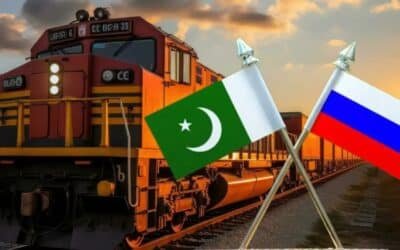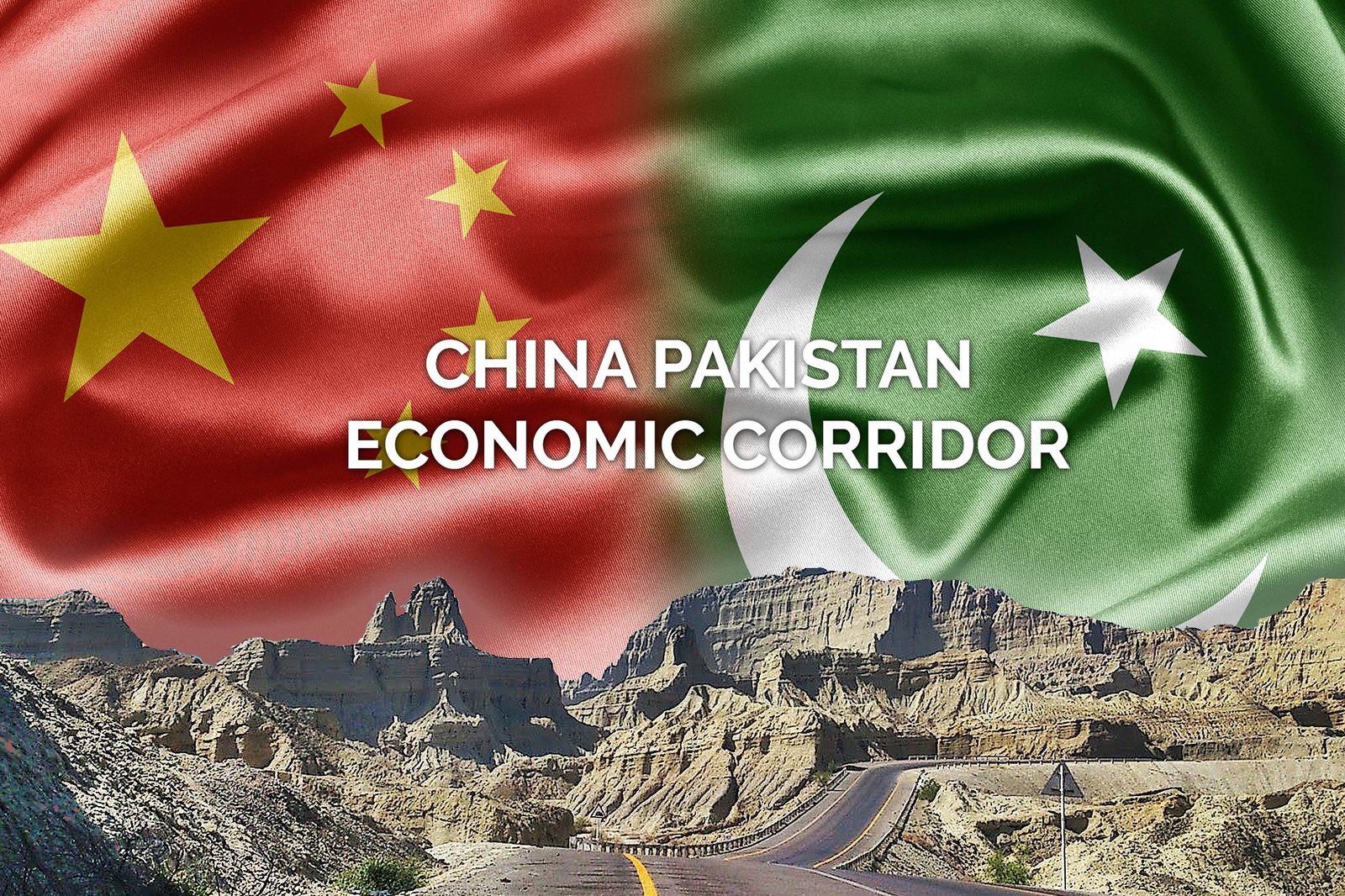





CPEC (China-Pakistan Economic Corridor) was regarded as a game-changer in the economic life of Pakistan. The initial concept was to construct roads, energy corridors, and ports that would link the western part of China, Xinjiang, to the Arabian Sea via the Gwadar Port in Pakistan. This would assist China to have quick access to the world markets, and Pakistan would have investment and improved infrastructure.
Source: CPEC Info
During the initial years, the majority of the projects were aimed at solving the energy crisis in Pakistan and the construction of highways. Phase I of CPEC constructed a number of coal and solar power plants that contributed to the decrease in power shortages. The construction of roads such as the Multan-Sukkur Motorway and the Karakoram Highway improved transportation in Pakistan.
Security Architecture of CPEC
Pakistan was excited and had high expectations of China investing approximately 62 billion dollars in it via CPEC, but new challenges also started emerging as CPEC projects progressed, particularly on the issue of security.
Certain elements in Pakistan, particularly Balochistan, began to target sites related to CPEC and Chinese workers. They felt that the local people were not benefiting so much from these mega-projects.
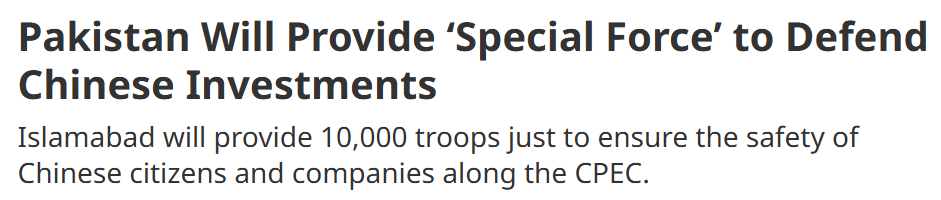
In order to handle these threats, Pakistan established a special security force specifically for CPEC. About 12,000 soldiers and paramilitary troops were deployed to defend Chinese workers and infrastructure. Gwadar and other strategic locations had also been installed with security checkpoints, fences, and surveillance systems.
Source: The Diplomat
Moreover, the government established the CPEC Authority, which was to coordinate and regulate the projects. Although this contributed to the centralization of decision-making, it also contributed to the greater role of the military and federal agencies in economic affairs.
With time, CPEC started resembling a peaceful trade route and a high-security zone instead. Chinese firms went as far as demanding additional protection and stricter control over project zones. In particular, Chinese engineers suspended their activity in the wake of fatal attacks like Karachi University in 2022 and the Dasu bus in 2021 and insisted on increased security assurances.
This increasing concern towards security shifted the perception of CPEC. What was initially an economic initiative started to sound more strategic and military, particularly in such sensitive regions as Balochistan. It also brought up new concerns of control, trust, and the future of the China-Pakistan association.
Chinese Influence and Policy Autonomy
The more money and resources China spent on CPEC, the more it began to interfere in the internal affairs of Pakistan. This aroused the issue of sovereignty in Pakistan, the capacity of the nation to make free decisions, without foreign influence.
Economic dependence is one of the major problems. The more debt that Pakistan owes, the more China controls how the projects are carried out or given priority. The long-term lease of Gwadar Port to a Chinese firm is also a cause of concern. Most Pakistanis believe that their government ceded too much power to foreign powers without involving the locals or much transparency.
Moreover, China has been providing guidance on the Pakistani economic and financial policies, more than a regular partnership. The strong military and political connections between the two nations imply that the decisions being made in CPEC are not made under a lot of public scrutiny or parliamentary control.
Domestic Complexity
Within Pakistan, CPEC has encountered numerous obstacles that are not restricted to economics and foreign policy. Individuals in other parts of the country, particularly the Balochistan region, hold the view that they are being treated unfairly. Even in their province, projects such as Gwadar Port are not benefiting them in terms of employment, provision of services, and control of their resources, locals allege.
Demonstrations have also occurred in Gwadar, where fishermen, traders, and students have raised demands for more rights, clean water, electricity, and the right to development benefits. Pakistan has political differences as well regarding the management of CPEC projects. Other provinces, such as Khyber Pakhtunkhwa and Balochistan, have been complaining of being allocated fewer benefits compared to Punjab and Sindh. These grievances have caused mistrust among the federal and provincial governments, particularly due to the political instability.