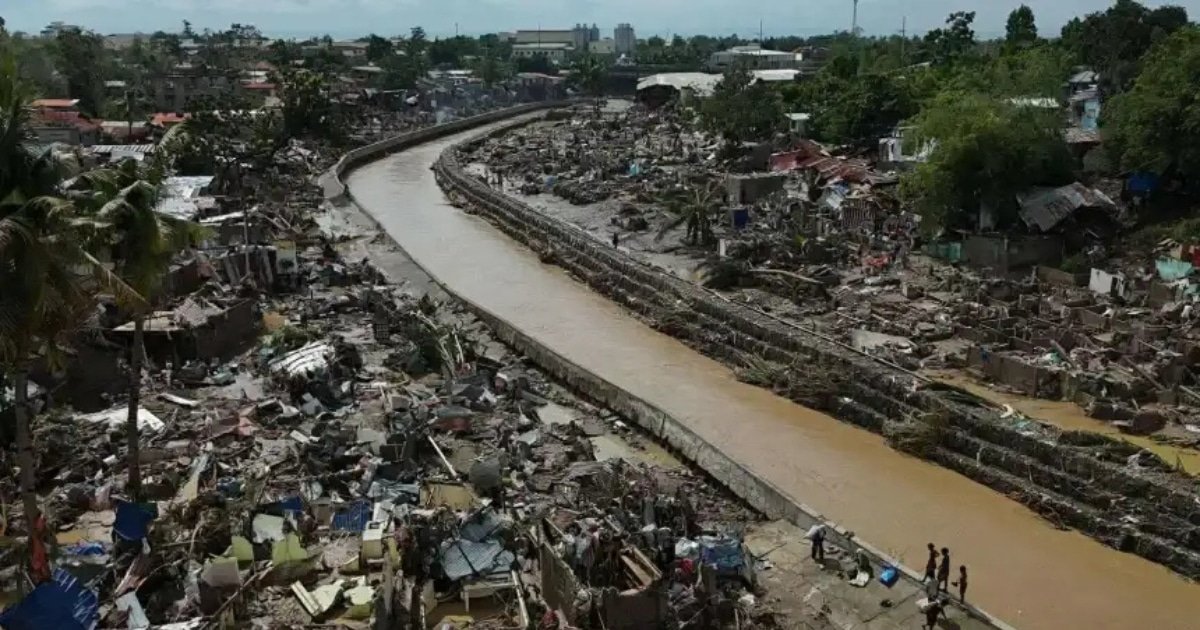





A week of relentless, cyclone-fueled heavy rainfall has unleashed catastrophic flooding and landslides across multiple Asian countries, with the death toll soaring past 1,100 people and hundreds more reported missing. The devastation, amplified by two major weather systems, Cyclone Senyar and Cyclone Ditwah, has prompted massive and often treacherous search and rescue operations.
Sri Lanka was battered by Cyclone Ditwah, which President Anura Kumara Dissanayake called the country’s “largest and most challenging natural disaster in our history,” surpassing the scale of the 2004 Asian tsunami devastation. Officials there report at least 355 deaths and 366 people missing, with over 25,000 homes destroyed.
Deadly storm systems sweeping across South and Southeast Asia have caused massive destruction, killing more than 1,100 people and leaving many still unaccounted for.
– 505 in Indonesia
– 334 in Sri Lanka
– 267 in Thailand
– 3 in India
– 3 in MalaysiaSearch efforts continue as… pic.twitter.com/sWicX0cI3y
— Weather Monitor (@WeatherMonitors) December 1, 2025
Meanwhile, Cyclone Senyar caused widespread destruction in Southeast Asia. Indonesia, specifically Sumatra, is the hardest-hit, recording at least 604 fatalities and over 460 missing amidst catastrophic landslides. Rescue efforts are hampered by cut-off roads and a scramble for basic necessities, with some residents resorting to looting before aid arrived.
You May Like To Read: Pakistan and Egypt Boost Strategic Ties with Focus on Trade and Security
In southern Thailand, extreme weather claimed at least 176 lives, affecting almost 2.8 million people and submerging entire communities like Hat Yai under over eight feet of water. Malaysia reported two deaths. The scale of the crisis underscores warnings from scientists that climate change is supercharging storms and increasing the frequency of such extreme rain events in the vulnerable region.