




A new global map, not a single ruler
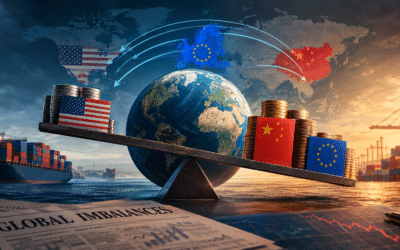
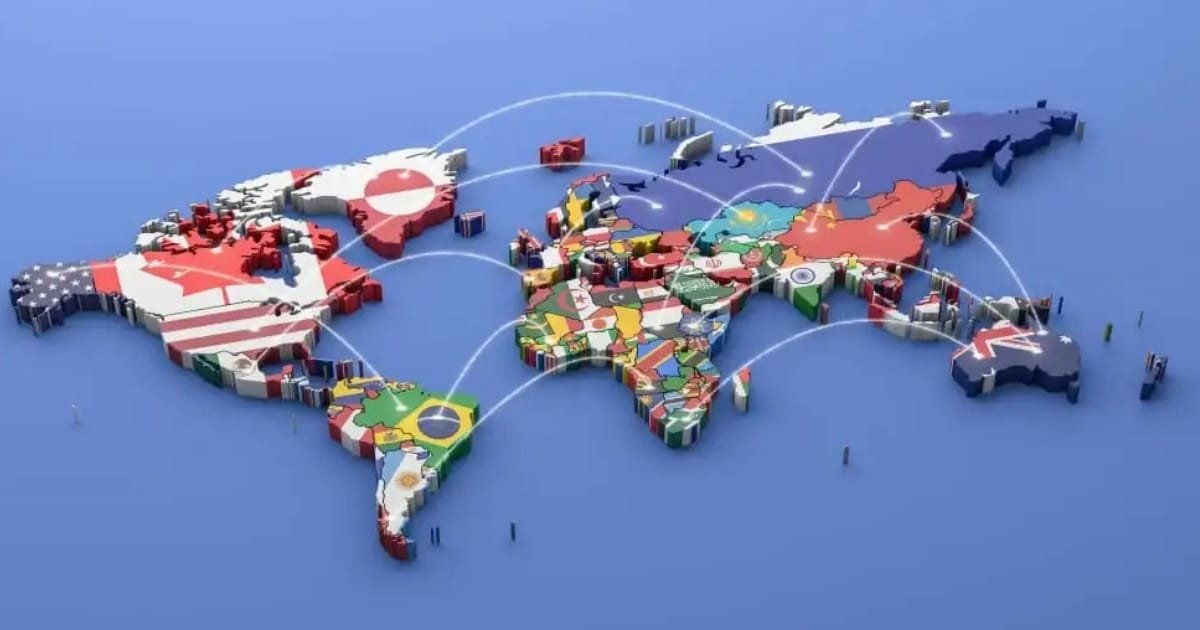
The long post-Cold War era of one dominant economic power is clearly giving way to a more complex arrangement where several large states and blocs shape outcomes. This is not a sudden collapse of a single order but a gradual redistribution of influence, driven by faster growth in Asia, renewed strategic activism in parts of the Middle East, and greater policy coordination among emerging economies. The result is a world where decisions about trade, finance and investment are made in multiple capitals, not only in Washington.
You May Like to Read: The Fragmentation of Global Trade: Is the Era of Hyper-Globalisation Over?
Trade patterns are being rewritten
Trade flows and industrial networks are changing in ways that matter for exporters and importers everywhere. Tariffs, strategic reshoring, and targeted industrial policy in large economies are slowing old supply-chain patterns, while at the same time Chinese manufacturing and state-backed exports are finding new markets across Africa, Southeast Asia and Latin America. International bodies and private forecasters have recorded slowing global trade growth in the face of higher barriers, even as pockets of trade, especially in technology and intermediate goods, remain vital. For countries like Pakistan, which depend on regional links and intermediate-goods imports, these shifts mean both risks to existing markets and openings into new ones.
You May Like to Read: UNCTAD Chief Warns Global Trade System Under Threat as Tariffs Skyrocket and Debt Crisis Halts Development
Finance is diversifying, but the dollar is not dead
Talk of “de-dollarization” has become a talking point, and central banks are indeed rethinking reserve mixes. Many states are modestly diversifying into other currencies, gold and special drawing rights (SDRs), and some new regional arrangements are offering alternatives for settlement and lending. Yet major analyses and central-bank studies show that this is largely measured diversification rather than an immediate replacement of the dollar. The U.S. currency and its markets remain central because of depth, liquidity and established financial plumbing, a reality that will persist even as new financial nodes gain prominence.
You May Like to Read: From ‘Global South’ to ‘Global Majority’: Is the West Losing Its Linguistic Monopoly on Power?
BRICS and other coalitions are building parallel institutions
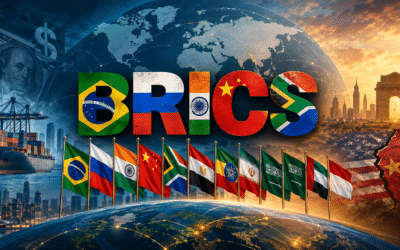
The expansion of BRICS and the active diplomacy of several emerging powers have practical consequences. New members and “BRICS+” conversations are not just political symbolism: they aim to create alternative modes of cooperation on development finance, trade facilitation and diplomatic coordination. While these groupings do not yet rival established institutions in scale or reliability, they are shaping agendas, offering different conditionalities and giving developing countries more choices in partners and financing. This creates room for middle powers to hedge and for smaller states to extract better terms.
Technology, supply chains and strategic competition
The heart of modern economic rivalry runs through technology and critical inputs. Semiconductor lines, rare earths, digital infrastructure and AI investments are now strategic assets. Policies that restrict technology transfer, or that privilege national champions, reshape where value is created and who captures it. For many developing countries, this double-edged development means potential factory investment and knowledge transfer on one side and the danger of becoming captive to single-market suppliers on the other. Policies that preserve flexibility, such as diversified suppliers and investment in local skills, will matter more than ever.
What the multipolar turn means for Pakistan
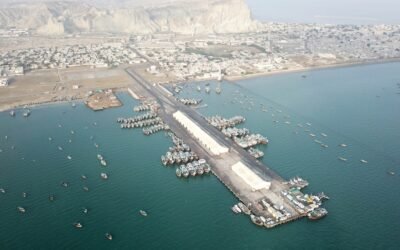
Pakistan sits at a crossroads in this changing architecture. Its long-term projects, such as the China-Pakistan Economic Corridor (CPEC), illustrate both the opportunities and the perils: large-scale investment, transport links and energy projects can accelerate growth, but they require careful fiscal management, transparency and alignment with domestic capacity. At the same time, new markets and finance from a wider set of partners can reduce dependency on any single creditor or market. Pakistan must therefore tilt away from reactive policymaking and towards active economic diplomacy that secures practical benefits, jobs, technology transfer and market access, without surrendering long-run fiscal resilience.
You May Like to Read: The Fragmentation of Global Governance: Is the United Nations System Still Relevant?
Policy priorities for a middle economy
In a multipolar world, policy choices can create real advantages. For Pakistan, those choices include diversifying export destinations beyond traditional partners, investing in digital skills and industrial upgrading, strengthening customs and logistics to lower trade costs, and improving the investment climate to attract non-traditional investors. Prudent macroeconomic policy must accompany these steps: managing debt, deepening domestic capital markets and using concessional finance strategically. At the same time, Pakistan should participate in regional rule-making forums to secure favourable transit and trade arrangements that reflect the new multipolar dynamics.
You May Like to Read: Pakistan’s Position in Evolving Global Trade Governance
The limits and the risks ahead
A multipolar architecture brings room for choice, but also higher risk of miscalculation. Competing blocs can raise the cost of doing cross-border business through tariffs, export controls or fragmented standards. Smaller countries may be pressured into alignment choices that reflect political signalling as much as economic logic. The global community must therefore work to keep channels open, multilateral dispute mechanisms, pragmatic trade agreements and transparent development finance, so that competition does not harden into exclusion.
Conclusion: adapt, diversify, and build resilience
The economic architecture of a multipolar world is neither a single blueprint nor an evenly distributed map of power. It is a dynamic contest of influence where trade, finance and technology intersect. For Pakistan, this reality brings both risk and promise. Success will depend on clear national strategy: diversifying partners, upgrading industry and skills, protecting macro stability and turning big projects into broad-based development. Those who plan for diversification, rather than for dependency, will find the multipolar era to be an opening, not a trap.