




A Changing World Order
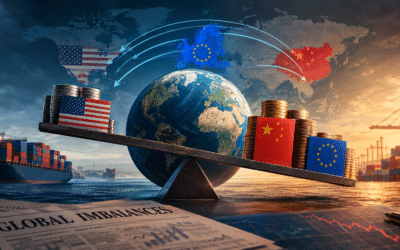
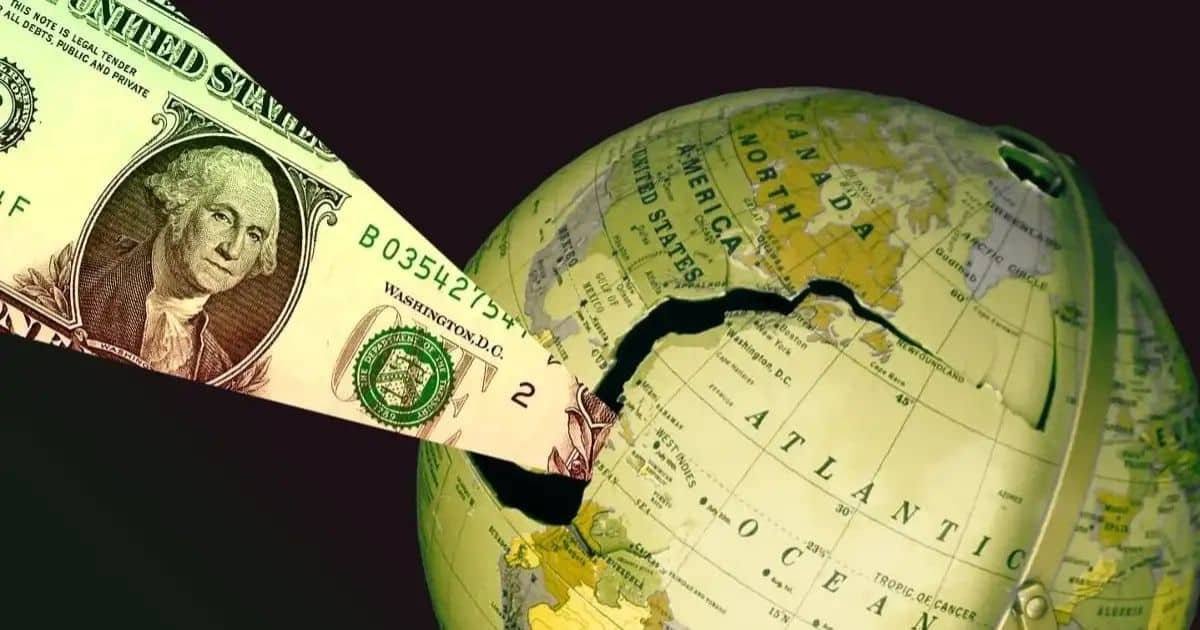
Global trade is no longer moving along the tidy lines set during the late 20th century. After decades in which goods, services and capital flowed ever more freely across borders, the last five years have seen a clear reorientation: trade is becoming more regional, more security-conscious and more conditional. This is not simple “deglobalisation” where trade collapses, but a fragmentation, a reshaping of links and rules that governed the era of hyper-globalisation.
You May Like to Read: Economic Nationalism and the End of Globalization 2.0: What Comes Next?
What We Mean by Fragmentation
Fragmentation means the splitting of global commerce into denser, shorter networks and political blocs, with increasing emphasis on supply-chain resilience, trusted partners and control of critical technologies. Countries are still trading, but many are choosing partners on the basis of strategic alignment or security rather than just lowest cost. The result is an international economy that is less integrated in the old way and more segmented by region, alliance and industrial policy.
The Drivers Behind the Split
Three forces have driven this shift. First, geopolitical rivalry, chiefly between the United States and China has pushed governments to rethink dependencies in semiconductors, energy and critical inputs. Second, the pandemic and subsequent supply shocks exposed vulnerabilities in long, single-source supply chains and prompted firms to near-shore or diversify suppliers. Third, a resurgence of industrial policy and economic security thinking has led states to favour domestic capacity for strategic goods. These dynamics are amplified by rising protectionist measures, export controls and investment screening.
What the Data Shows
Large international institutions and trade analysts detect continuity in trade volumes but a change in composition and direction. The World Trade Organization and other bodies continue to project modest growth in merchandise trade, not collapse, but they note slower momentum for services and growing fragmentation of trade routes and rules. Industry reports describing “trade in transition” emphasise agility and the growing importance of regional hubs over global value chains that span many countries. In short: trade persists, but its geography and governance are changing.
Implications for Pakistan’s Exports, and Imports
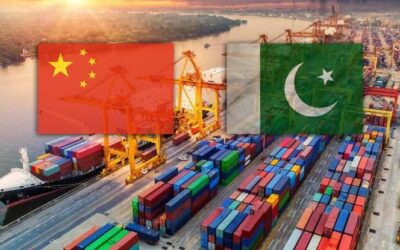
For Pakistan the fragmentation of trade is both a risk and an opportunity. On the risk side, re-routing of supply chains or trade diversion toward trusted blocs could raise the cost of certain imports and reduce demand for some traditional exports if buyer networks shift. Pakistan’s large dependence on commodity and textile exports means exposure to shifting global demand and new non-tariff barriers. At the same time, regional economic arrangements and supply-chain realignments open markets for Pakistani suppliers that can meet standards and deliver reliable lead times. The country’s economic outlook, already constrained by macro challenges, must now consider these structural shifts.
You May Like to Read: Pakistan’s Position in Evolving Global Trade Governance
Near-term Policy choices Pakistan should Prioritise
Pakistan should treat fragmentation as a prompt to accelerate structural upgrades. First, diversify markets actively: expand trade ties beyond traditional partners into regional neighbours and non-aligned markets. Second, move up the value chain: incentives and support to add finishing, branding and services around textiles and agribusiness will capture more value than raw commodity sales. Third, strengthen customs, logistics and standards compliance so Pakistani firms can plug into shorter regional supply chains reliably. Fourth, invest in digital trade and services exports, software, freelancing and digital services are less exposed to heavy physical supply chains and can grow demand for Pakistani talent. These are practical, relatively low-cost steps that fit Pakistan’s comparative strengths.
Managing Risks: Finance, Remittances and Sovereign Exposure
The fragmented trade landscape can raise volatility in import bills and foreign exchange. Pakistan’s policymakers must therefore safeguard external buffers and stabilise export revenues. Strengthening remittance channels, widening the export base, and improving tax-to-GDP performance are fiscal imperatives that lower vulnerability to sudden trade shocks. At the same time, careful engagement with multilateral institutions and regional development banks can finance targeted logistics and industrial upgrades without compromising sovereign stability.
Opportunity: Positioning Pakistan within Regional Hubs
A pragmatic approach for Pakistan is to leverage geography and labour costs to become a reliable regional hub for manufacturing and services. With the right regulatory reforms and targeted investments in ports, cold chains and digital infrastructure, Pakistan can capture near-shoring flows from firms seeking lower cost, closer partners for Asian and Middle Eastern markets. This will require policy consistency and credible enforcement of contracts, areas where Pakistan must show institutional improvement to build investor confidence.
Conclusion: Fragmentation is a Call to Adapt, not to Despair
The era of undifferentiated hyper-globalisation is ebbing; in its place is a fragmented but still lively international economy. For Pakistan this is not a moment for pessimism but for pragmatic reform. The country must diversify markets, add value to its exports, modernise logistics and back a push into digital services. If policymakers treat fragmentation as a structural change rather than a temporary shock, Pakistan can turn what many see as a constraint into a strategic advantage. The world’s trading system is changing, success will go to those who adapt quickly and sensibly.
Check out our latest video: