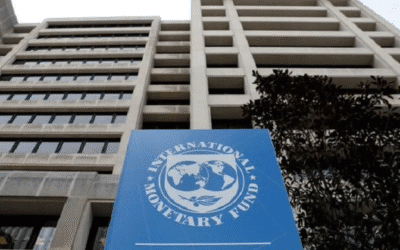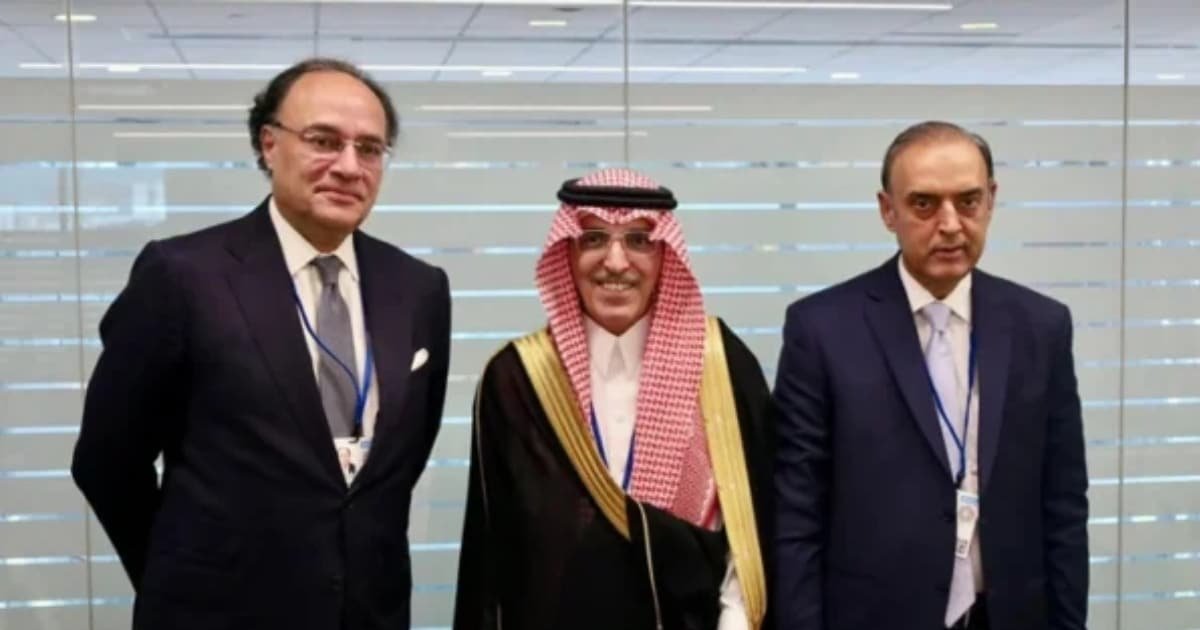





(April 15, 2026) — Saudi Arabia has committed an additional $3 billion in deposits to Pakistan and extended an existing $5 billion facility for three years, Finance Minister Muhammad Aurangzeb announced. Speaking on the sidelines of the World Bank–IMF Spring Meetings, the minister noted that this support significantly bolsters Pakistan’s external account as the country prepares to meet major upcoming debt obligations.
Key Highlights
- A fresh $3 billion deposit pledged by the Kingdom of Saudi Arabia.
- The existing $5 billion deposit is now extended through 2028, ending the previous annual rollover system.
- Pakistan is set to return a $3.5 billion loan to the UAE this month.
- The government aims to build foreign exchange reserves to $18 billion by the end of the fiscal year.
Saudi Arabia Announces USD 3 Billion Additional Support, Extends USD 5 Billion Deposit: Finance Minister
Federal Minister for Finance and Revenue, Senator Muhammad Aurangzeb, has informed that the Kingdom of Saudi Arabia has committed USD 3 billion in additional deposits, with… pic.twitter.com/E8dXPg6g9Y
— Ministry of Finance, Government of Pakistan (@Financegovpk) April 15, 2026
Stabilizing the external account
Finance Minister Aurangzeb emphasized that the Saudi support comes at a “critical time,” particularly as Pakistan faces pressure on its reserves due to upcoming repayments. By securing a longer-term extension for the $5 billion facility, the government has removed the uncertainty associated with year-to-year rollovers, providing a more stable foundation for the country’s IMF-supported economic program.
Commitment to international obligations
Despite the heavy repayment schedule—including $1.4 billion paid last week and the upcoming $3.5 billion payment to the UAE—the minister reaffirmed that Pakistan will meet all its maturities on time. He described the recent Eurobond repayment as a “non-event,” signaling the government’s confidence in its disciplined external financing plan.
Pakistan secured $3 billion in new funding from Saudi Arabia to boost its foreign exchange reserves, with funds expected within a week.
The country will use this support to help offset a $3 billion loan repayment to United Arab Emirates after failing to extend the debt.
Source:… pic.twitter.com/BB4CGFGRmL
— Clash Report (@clashreport) April 15, 2026
Diplomatic dividends and global confidence
The international community, including the IMF and World Bank, has reportedly expressed strong appreciation for Pakistan’s recent economic management. Aurangzeb noted that Pakistan’s diplomatic role in facilitating regional dialogue has also earned significant praise in Washington. This positive sentiment is helping the government advance other financing goals, such as the inaugural “Panda Bond” issuance in the Chinese market and the Global Medium-Term Note (GMTN) program.
Diversifying financing sources
To maintain a stable reserve level of roughly 3 months of import cover, the finance ministry is exploring various market-based instruments. These include:
- Islamic Sukuk bonds
- Dollar-settled rupee-linked bonds
- Commercial loans
While the economic shocks from the ongoing Middle East conflict remain a challenge, the minister stated that Pakistan has not yet requested changes to its current $7 billion IMF program, though it remains a potential option if circumstances shift further.
You May Like To Read: Israeli and Lebanese Officials Hold First Direct Talks Since 1983 Amid Ongoing Hostilities
Check out our latest video: