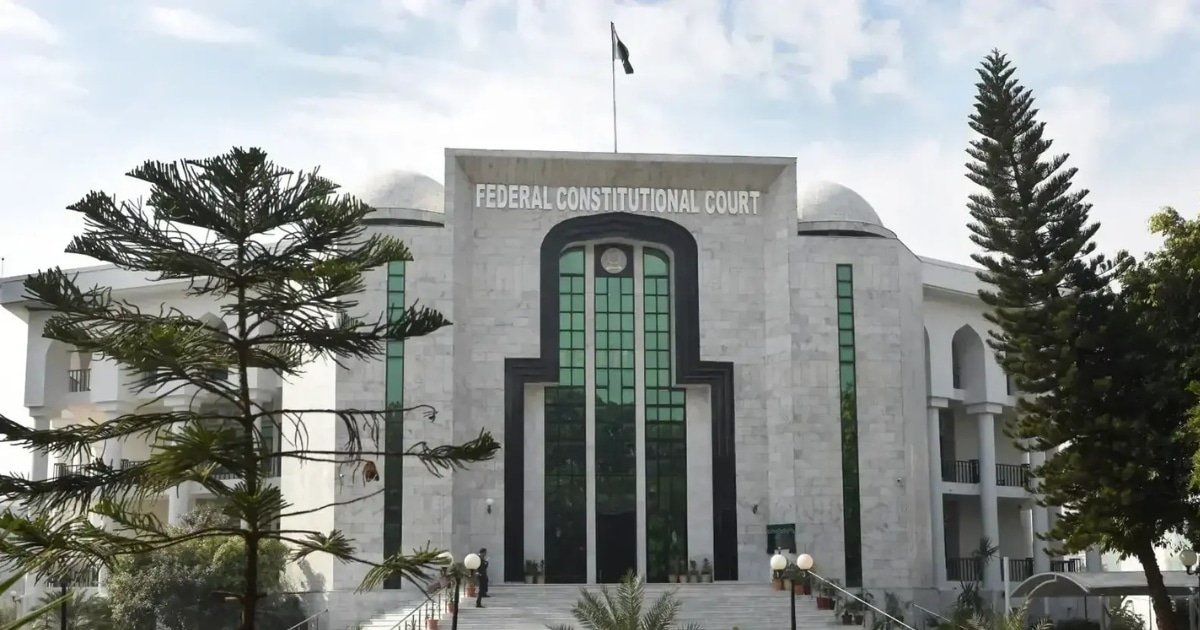





The Federal Constitutional Court (FCC) has delivered a landmark judgment affirming that tax authorities possess the power to conduct raids and searches under Section 175 of the Income Tax Ordinance (ITO) 2001, even without pending proceedings. The three-judge bench, led by Justice Aamer Farooq, dismissed a petition by M/s Sceptre Pvt Ltd, which had challenged a previous Sindh High Court decision validating a surprise tax raid on its premises.
You May Like To Read: Economic Lifeline: Saudi Arabia Injects $346 Million into Yemen’s Budget
The court’s ruling centered on the specific legislative language used in Section 175. Justice Farooq noted that the law uses the word “enforcement,” which inherently implies that a breach of tax regulations has occurred and must be addressed. The judgment emphasized that the wording is “unequivocal” and “clear,” granting the tax commissioner or authorized officers full and free access to premises, accounts, and documents at any time.
On February 27, 2026, the Federal Constitutional Court (FCC) ruled that tax authorities may conduct raids under Section 175 of the Income Tax Ordinance, 2001 without prior notice or ongoing proceedings.
A three-member bench led by Justice Aamer Farooq dismissed a petition by… pic.twitter.com/GfNxg5x75u
— Startup Pakistan (@PakStartup) February 27, 2026
The petitioner argued that such intrusive measures should only be triggered during ongoing proceedings or after a formal notice. However, the FCC held that courts cannot qualify or dilute the express intent of Parliament. By ruling that no prior notice is required, the court has significantly strengthened the Federal Board of Revenue’s (FBR) ability to combat tax evasion. This decision reinforces the principle that statutory language must be followed strictly, leaving little room for judicial intervention when the law is explicitly drafted to address enforcement.
Check out our latest video: