



The French government, led by the Prime Minister, successfully navigated two motions of no-confidence in Parliament today, affirming the government’s mandate to govern and pursue its legislative agenda, most notably the crucial 2026 National Budget.
The government survived the first motion, tabled by La France Insoumise, which garnered 271 votes. This outcome fell 18 votes short of the 289 absolute majority required to defeat the government. A second motion, put forward by the National Rally, received 144 votes.
BREAKING: French Prime Minister survives second vote of no confidence.
Sky’s @GarethBarlow explains what this means ⬇️https://t.co/1rmP8xiiv6
📺 Sky 501 and YouTube pic.twitter.com/0XOMTZtCnK
— Sky News (@SkyNews) October 16, 2025
The successful defense of the government underscores the necessity of parliamentary debate and responsible governance over political maneuvering aimed at creating instability.
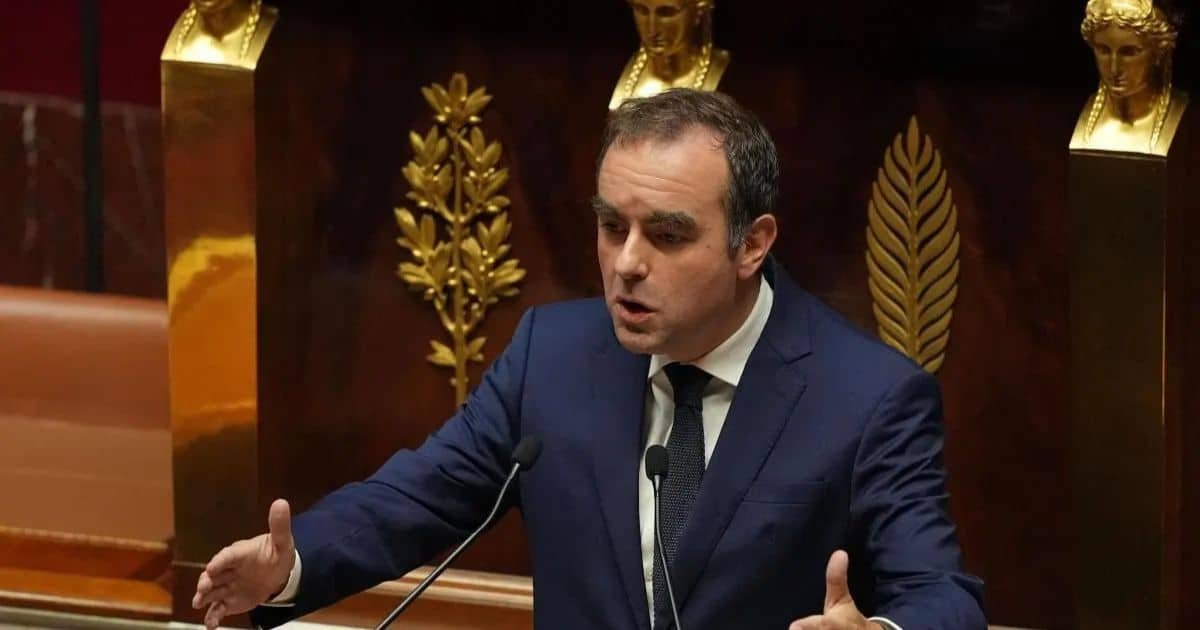
Sébastien Lecornu, a key government ally, addressed Parliament, urging lawmakers to participate constructively in the upcoming budget process and avoid “political chaos.”
Commitment to Dialogue and Stability
The government’s immediate focus remains on securing the passage of the 2026 Budget for the European Union’s second-largest economy before the deadline of December 31.
The government owes its survival to forces within the Parliament that prioritized the nation’s stability. Notably, the Socialist Party leadership withheld its support for the no-confidence vote following the government’s significant gesture to suspend the implementation of the landmark pension changes (raising the pension age from 62 to 64). This concession demonstrates the government’s commitment to dialogue and finding points of compromise across the political spectrum.
Following the votes, Yaël Braun-Pivet, the Centrist Leader of Parliament, called for all parties to “roll up our sleeves” and find the necessary “dialogue and compromise” throughout the budget debate.
The government remains resolute in its duty to deliver its program and manage the nation’s finances effectively, moving past immediate political challenges and focusing on legislative work.
You May Like To Read: The Recalibration of Middle Eastern Alliances: From U.S. Dependence to Multipolar Diplomacy