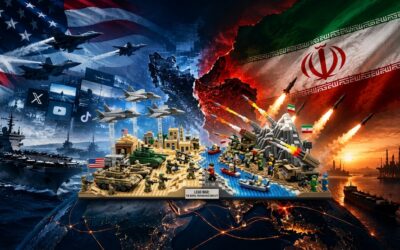



The U.S.–Iran war entered a volatile sixth day as President Donald Trump secured a major domestic victory, with Senate Republicans successfully blocking a resolution to limit his war-making powers. As the political blockade held in Washington, the conflict dramatically widened across the Indian Ocean and the Eastern Mediterranean, marking the first time a NATO ally has been directly drawn into the line of fire.
Constitutional Standoff: Trump Unbound
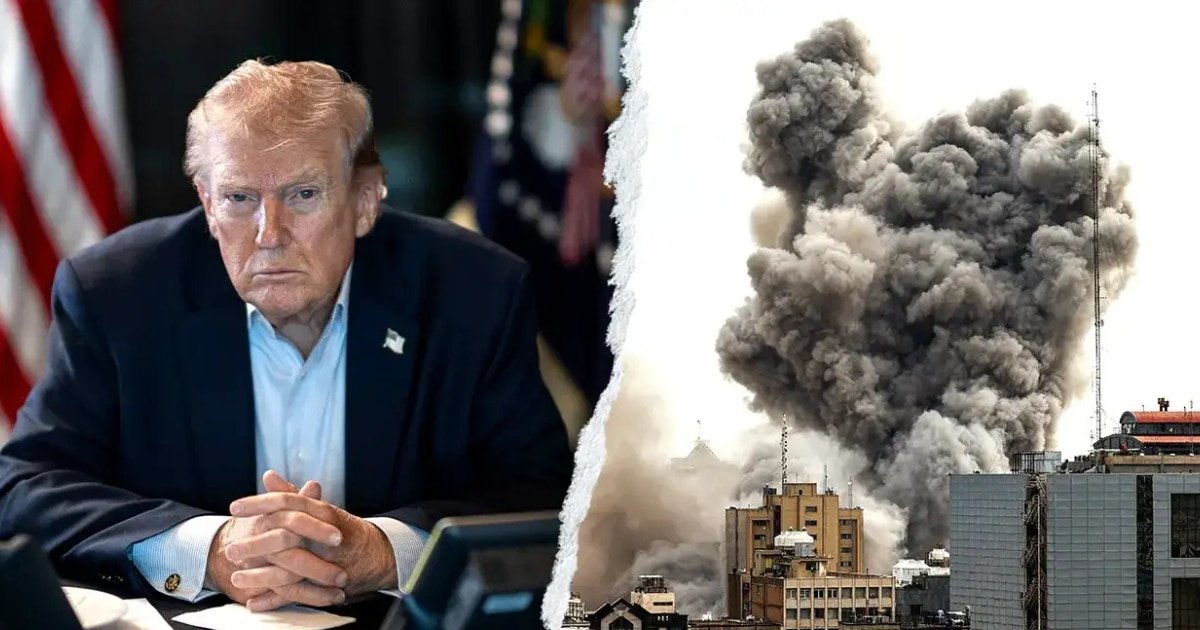
The U.S. Senate voted 53 to 47 on Wednesday to reject a motion aimed at requiring congressional authorization for the ongoing air campaign against Iran.
-
Partisan Divide: All but one Republican voted to defeat the resolution, effectively granting President Trump a “blank check” to continue military operations without a formal declaration of war.
-
War Powers Act Dismissed: Secretary of State Marco Rubio reaffirmed the administration’s stance, declaring the 1973 War Powers Act “unconstitutional” and asserting that the executive branch has complied with all necessary notifications.
United States and Israel continue to bombard Iran as the US Senate blocks a resolution to curb Donald Trump’s military campaign, voting 53–47 against the procedural motion.
🔴 Follow our LIVE coverage: https://t.co/gwDpX0wdOj pic.twitter.com/Gislde19gD
— Al Jazeera English (@AJEnglish) March 5, 2026
]
Global Escalation: Sri Lanka and Turkey
The military theater has expanded far beyond the Persian Gulf:
-
Indian Ocean Strike: A U.S. submarine sank the Iranian frigate IRIS Dena off the coast of Sri Lanka on Wednesday. The torpedo strike killed at least 87 sailors, marking the first sinking of an enemy ship by a U.S. submarine since World War II.
Footage of the Iranian ship IRIS Dena, which was in India for Exercise, being reviewed by the President of India.
Today, it was sunk by US Submarine in Indian Ocean, near the costs of Sri Lanka & India, killing over 120 people. pic.twitter.com/iKdkSdqumj
— South Asia Index (@SouthAsiaIndex) March 4, 2026
-
NATO Intervention: In the first direct involvement of a NATO ally, air defense systems in the Eastern Mediterranean intercepted an Iranian ballistic missile launched toward Turkey. While debris fell in southern Turkey, no casualties were reported. U.S. Defense Secretary Pete Hegseth stated this would not yet trigger NATO’s Article 5 collective defense clause.
Turkey said NATO air defenses intercepted an Iranian ballistic missile entering Turkish airspace, marking the first time a NATO member has been drawn into the Middle East conflict https://t.co/WekOnuVdI9 pic.twitter.com/T5KgY1lCzZ
— Reuters (@Reuters) March 4, 2026
Succession and the Postponed Farewell
In Tehran, the political vacuum left by the martyrdom of Ayatollah Ali Khamenei remains unfilled, as state media announced the indefinite postponement of his funeral ceremonies.
-
Security & Logistics: Officials cited “unprecedented anticipated turnout” and the need for security preparations as the reasons for the delay, though sustained U.S.-Israeli bombardment of the capital remains a primary factor.
-
Succession Race: While Mojtaba Khamenei is viewed as the IRGC’s preferred hardline successor, reformist-leaning Hassan Khomeini (grandson of the Republic’s founder) has emerged as a potential moderate frontrunner. The 88-member Assembly of Experts is expected to announce its decision soon.
Economic Paralysis
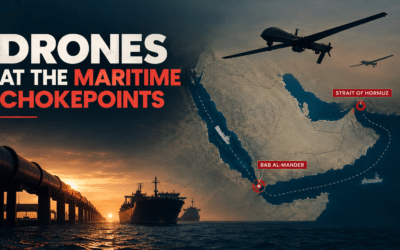
The Strait of Hormuz remains paralyzed, with over 200 vessels anchored and global oil prices surging. U.S. Energy Secretary Chris Wright confirmed the Navy is currently focused on “disarming the regime” rather than escorting commercial tankers, further straining global energy resilience.
🚨 BREAKING: 🇺🇸🇮🇷 Strait of Hormuz shipping remains paralyzed for a fifth day after a reported US strike hit an Iranian warship off Sri Lanka, stranding tankers and choking Middle East oil and gas flows. pic.twitter.com/UaTqLCtYqt
— Arbead Strategic Monitor (@ArbeadMonitor) March 5, 2026