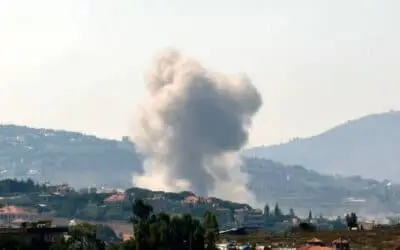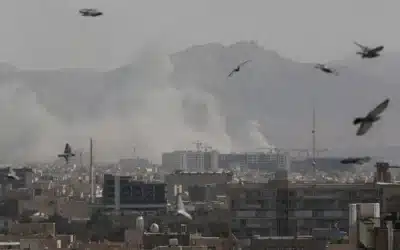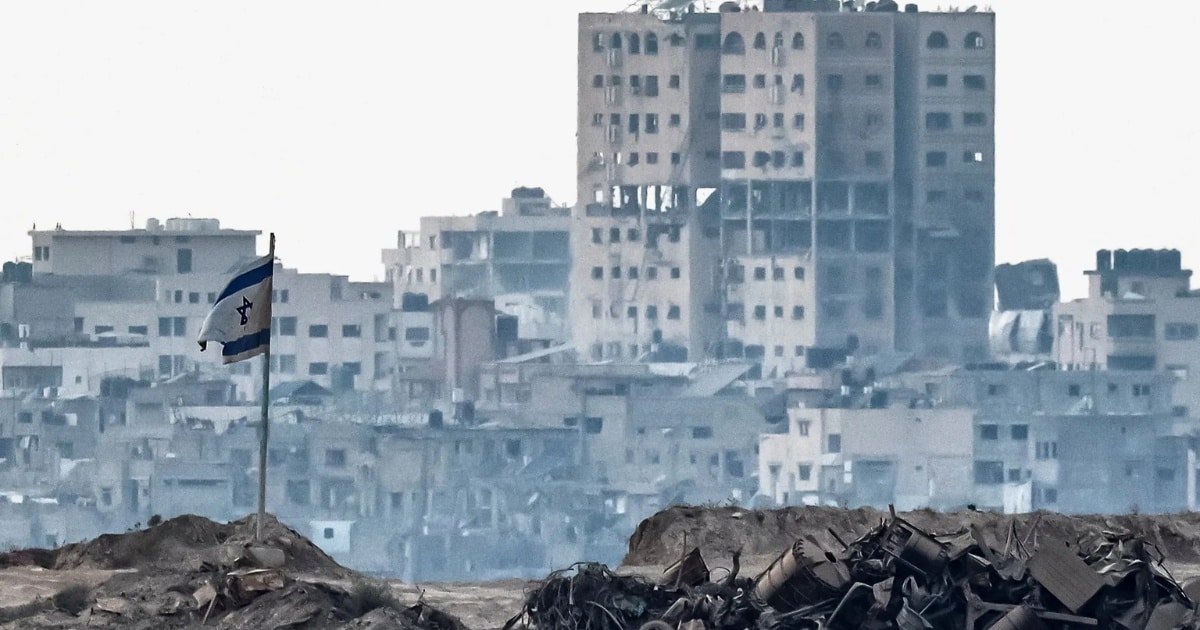



The directive from Israeli Prime Minister Benjamin Netanyahu to pursue “immediate negotiations” for the release of hostages, even as the military operation in Gaza City advances, encapsulates a profound and perilous paradox at the heart of the current conflict. This dual-pronged strategy, a simultaneous application of military pressure and diplomatic overtures, is not merely a tactical maneuver but a reflection of the deep-seated complexities and conflicting priorities that define the crisis.
On one hand, it seeks to create leverage for a deal; on the other, it risks undermining the very trust required for dialogue. A critical analysis of this situation reveals a diplomatic landscape fraught with tension, where internal political pressures, international mediation efforts, and a devastating humanitarian crisis collide with a brutal military reality.
The Strategic Calculation: Coercion or Contradiction?
Netanyahu’s order is based on a fundamental strategic calculation, that military pressure is the most effective tool to compel Hamas to negotiate a deal. The logic is that by continuing to dismantle Hamas’s infrastructure and advance deeper into Gaza’s urban centers, Israel can weaken the group’s resolve and force it to accept terms it would otherwise reject. This approach views diplomacy not as an alternative to force, but as an extension of it.
From this perspective, every military gain is a bargaining chip, and every advance on the ground is a step closer to a deal for the hostages’ release. This theory, however, is heavily debated. Critics argue that such a strategy is not only morally questionable; given the immense civilian casualties it generates, but also strategically flawed. A relentless military campaign may harden Hamas’s position, pushing them to view any negotiation as a sign of weakness and making them less, not more, likely to compromise. The constant bombardment and displacement of civilians could also fuel a cycle of violence and vengeance that extends far beyond the current conflict, making any lasting peace virtually impossible.
You May Like To Read: Hamas Agrees to New Gaza Ceasefire Proposal Amid Mounting Military Pressure and Humanitarian Crisis
The Diplomatic Labyrinth: Regional and International Actors
The diplomatic conditions in Gaza are further complicated by the crucial role of external actors. Countries like Qatar and Egypt, which have historically served as key intermediaries between Israel and Hamas, are now navigating an incredibly difficult environment. Their ability to facilitate talks is directly impacted by the military operations on the ground. When Israel advances, these mediators must walk a tightrope, trying to convince a beleaguered Hamas to come to the table while simultaneously reassuring Israel that their efforts are credible.
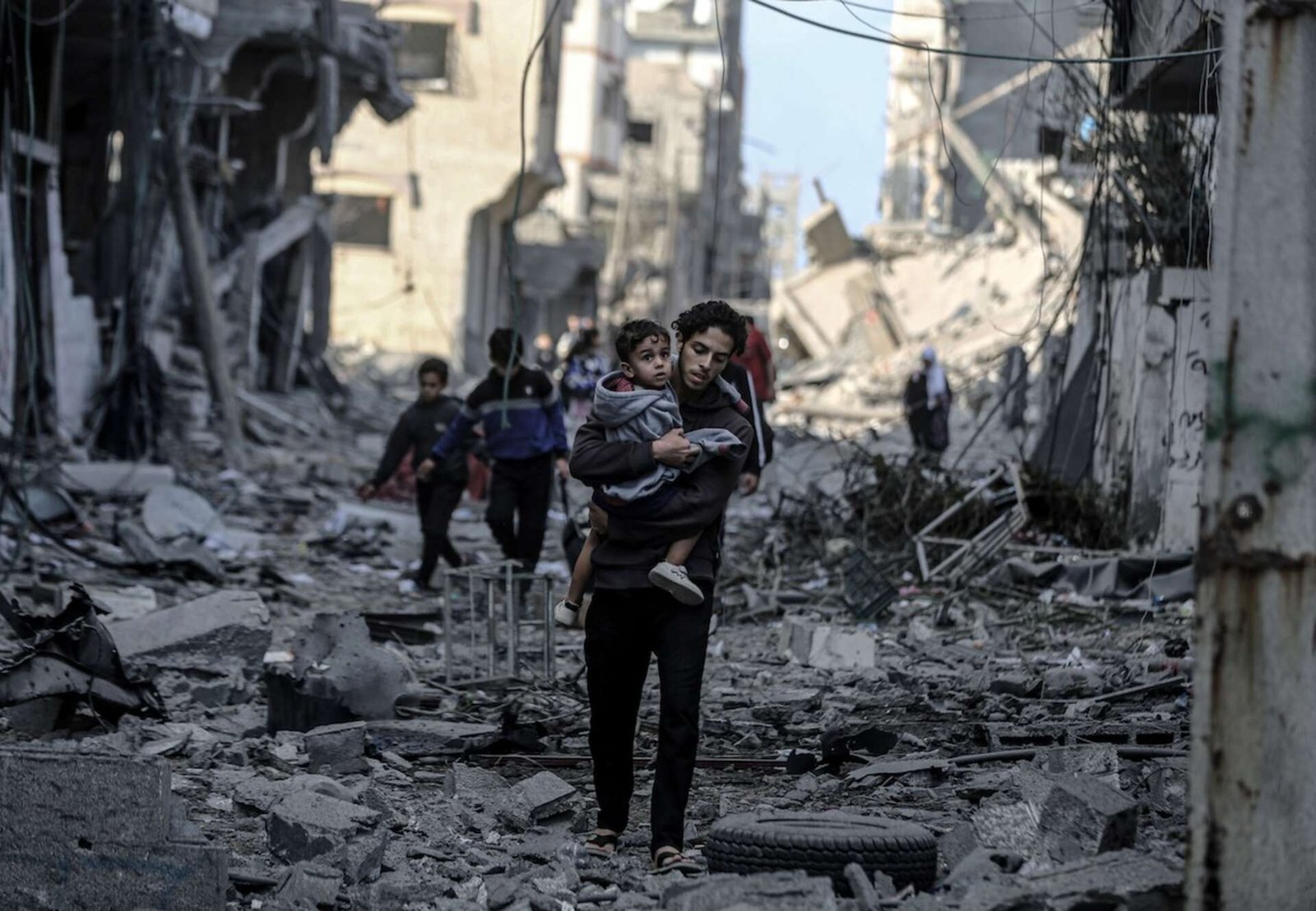
The United States, a primary ally of Israel, also plays a pivotal role. The Trump administration is caught between supporting Israel’s right to self-defense and managing mounting pressure at home and abroad to push for a ceasefire and a humanitarian resolution. The international community, including the United Nations and various humanitarian organizations, is sounding the alarm over the catastrophic humanitarian situation, warning that any diplomatic solution must be paired with immediate and unimpeded access for aid. The advance into Gaza City, a densely populated urban area, makes this humanitarian imperative even more urgent and challenging to achieve.
The Internal, and Human Cost
Beyond the diplomatic and military strategy, the situation in Gaza is driven by intense internal pressures in Israel. The order for “immediate negotiations” is a direct response to the immense public and political pressure on Netanyahu’s government to secure the release of the remaining hostages. Mass protests and the anguish of the hostages’ families have created a powerful domestic imperative that no Israeli leader can ignore. This pressure often pulls in different directions: some argue for an immediate, all-out military offensive to force a release, while others demand a ceasefire to ensure the hostages’ safety through negotiation.
Netanyahu’s dual strategy is an attempt to satisfy both these demands, but it places the lives of the hostages in immediate peril. The human cost of this approach is staggering. For the people of Gaza, caught in the crossfire of this military and diplomatic standoff, the reality is one of unimaginable suffering, displacement, and a looming threat of starvation. The negotiations, even if successful, will do little to rebuild the lives and infrastructure that have been destroyed, leaving a long-term humanitarian crisis that will require decades of international effort to address.
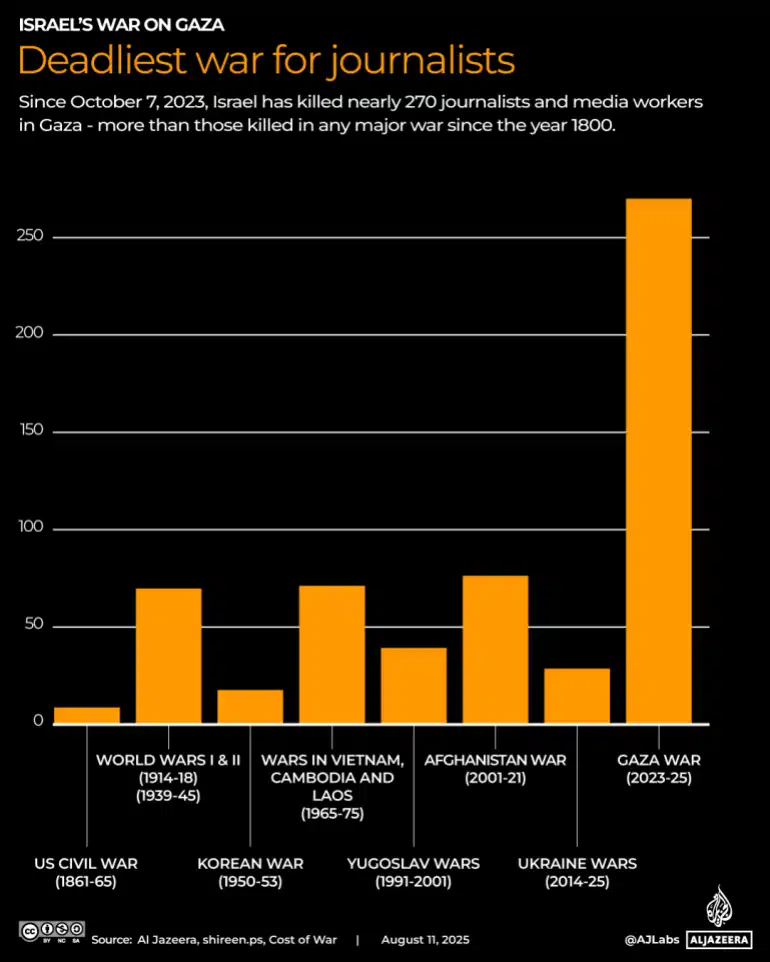
Source: Al Jazeera
Conclusion: The Path to Resolution
The current diplomatic conditions in Gaza reveal a deep-seated crisis of strategy and humanity. The notion that military force can be effectively used as a tool for negotiation is a high-stakes gamble with devastating consequences for the civilian population and the hostages. While the strategic logic of creating leverage is understandable from a military standpoint, it risks undermining the very foundation of trust required for any lasting peace.
The international community, led by key mediators, must work to de-escalate the situation and push for a diplomatic solution that prioritizes the lives of civilians and the safe return of all hostages. A sustainable resolution to this crisis will not come from a place of coercion and violence, but from a genuine commitment to dialogue and a recognition that the security of one side cannot be built on the suffering and destruction of the other. The current path is a dead end, and only a fundamental shift in approach can prevent further bloodshed and pave the way for a viable political future for the region.
You May Like To Read: International Organization for Mediation (IOMed): A New Era in Global Dispute Resolution