



The Promise of Pakistan’s Laws
Over the last decade, Pakistan has passed a series of laws meant to protect women and girls from violence and coercion. Parliament closed the notorious “forgiveness” loophole for so-called honour killings in 2016, limiting the ability of families to pardon killers and pushing courts toward punishment. Parliament also strengthened protections against harassment at work through sweeping amendments in 2022 that expanded the law’s scope to informal and online spaces. In 2021, the Anti-Rape (Trial and Investigation) Act created special courts, evidence protocols, anti-rape crisis cells, and in-camera trials to reduce retraumatization and accelerate justice. Provincial legislatures have added domestic violence laws, and Sindh maintains an 18-year minimum marriage age. On paper, the direction is clear: deterrence, dignity, and due process.
The Ground Reality: Progress Mixed with Persistent Gaps
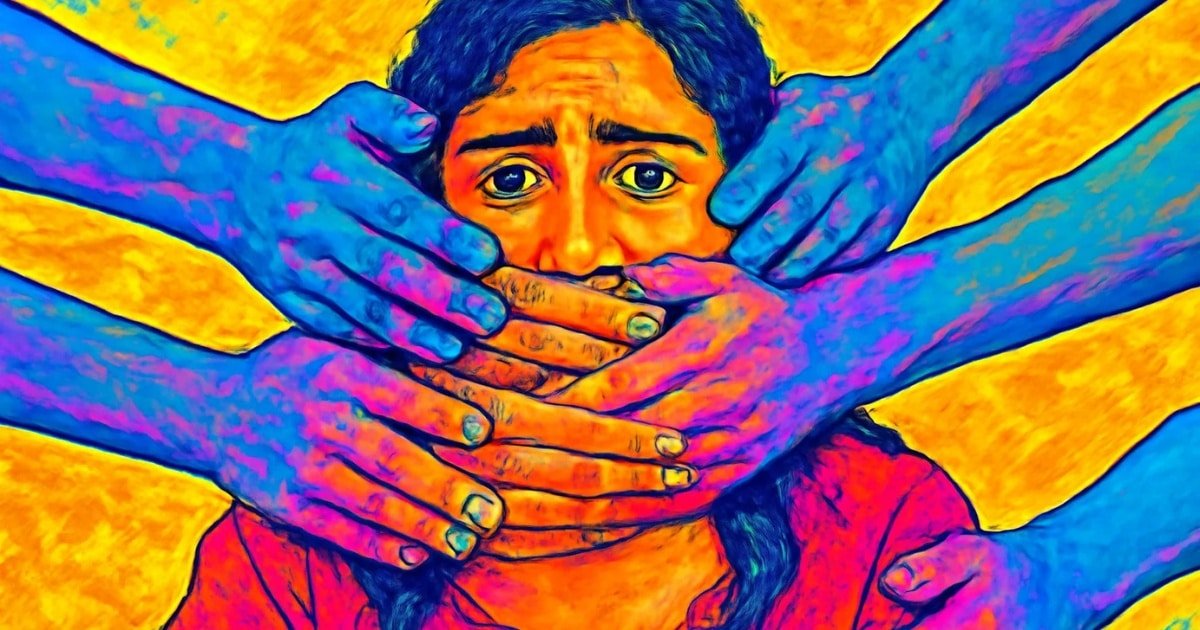
Despite these reforms, the lived experience for many survivors still depends on where they report, who investigates, and whether institutions are resourced to act. Pakistan’s National Commission for Human Rights (NCHR) reports that in 2024 it handled hundreds of cases touching forced conversions, child abuse, and gender-based violence, evidence that victims are reaching out, but also that the system is under strain. Independent monitors, including the Human Rights Commission of Pakistan (HRCP) and international observers, continue to document widespread gender-based violence and obstacles to remedy, from slow investigations to witness intimidation.
You May Like to Read: Systemic Failure in Prosecuting Gender-Based Violence in Pakistan
Honour Killings: The Law is Tougher, but Impunity Survives in Pockets
The 2016 amendments recalibrated the Penal Code to ensure that “honour” is not a defense and that pardons cannot easily block punishment. Yet the practice persists, often where parallel power structures, tribal hierarchies, jirgas, or entrenched feudal networks, discourage reporting and influence policing. In July 2025, a videoed double killing near Quetta triggered national outrage; authorities arrested suspects quickly, showing that the state can act decisively when there is public pressure and clear evidence. HRCP estimates at least 405 honour-related killings in 2024, with underreporting likely. The lesson is sobering: better laws deter some perpetrators, but consistent, professional enforcement remains uneven.
Rape, and Sexual Violence: Implementation is the Battlefield
The Anti-Rape Act is ambitious, but implementation is a work in progress. A January 2025 government briefing cited improvements in the availability and use of Anti-Rape Crisis Cells and steps toward operationalizing a sex offenders’ registry with NADRA’s technical support. Civil society assessments, however, flag gaps, such as uneven medico-legal capacity, patchy roll-out of survivor-friendly procedures, and special courts that lack equipment or trained staff in some districts. Where protocols are followed, survivors face fewer humiliations and cases are stronger; where they’re not, cases falter.
You May Like to Read: Low Conviction Rates and Gender-Based Violence in Pakistan
Harassment at Work: A Stronger Framework Meeting Old Habits
The 2022 amendments to the workplace harassment law broadened what counts as a “workplace” and who is protected, aligning more closely with international norms. Universities, public bodies, and private firms have been setting up inquiry committees and updating policies. But the cultural barriers remain familiar: fear of retaliation, misreporting as “discipline” issues, and uneven compliance in smaller or informal workplaces. A strong statute helps, yet its power still hinges on trained committees, confidentiality, and penalties that actually bite.
Forced Conversions, and Child Marriage: Contested Terrain, Real Harms
Few topics inflame debate like allegations of underage conversions and marriages involving minority girls. Pakistan’s human rights bodies report continuing complaints, and recent compilations by the NCHR and independent groups cite approximately 421 of alleged cases between 2021 and 2024. While each case must be proved in court, the pattern, elopement claims, rapid conversions, and swift nikah ceremonies, raises serious consent questions when minors are involved. In 2025, Pakistan advanced a bill to raise the marriage age to 18 in the Islamabad Capital Territory, a step that aligns federal practice with Sindh and international standards. Moving from piecemeal fixes to a uniform national minimum age, and applying it consistently, would reduce space for abuse.
Why Justice Still Fails too Often
First, the investigation quality is inconsistent. Survivors still report hostile reception at some police stations; chain-of-custody lapses and delayed medico-legal exams weaken cases. Second, prosecution bottlenecks, adjournments, and witness intimidation erode deterrence. Third, parallel power networks, panchayats or jirgas, exert pressure to “settle” matters privately, especially in rural areas, blunting the force of criminal law. Finally, implementation rules and resources lag behind statutes: even strong laws like the Anti-Rape Act struggle when special courts lack trained staff, equipment, or survivor-centric spaces. These are not abstract criticisms; Pakistan’s own bodies, including the NCHR and court-watchers, have flagged rule-making and resourcing gaps as central obstacles.
Signs of Movement, and What Would Actually Change Outcomes
There are credible green shoots. The federal push to scale up anti-rape crisis cells, integrate technology for registries, and standardize protocols is the right direction. HRCP’s annual reporting and parliamentary discussions keep pressure on agencies, while active litigation and public scrutiny have made it costlier for officials to mishandle high-profile cases. International partners, from UN agencies to embassies, are funding training and survivor services, which, when coordinated with provincial departments, can build capacity that lasts beyond project cycles. But sustained change will come from a few practical shifts: mandatory, time-bound forensic examinations with trained female MLOs; protected transport and stipends for witnesses; internal police audits of GBV case handling; and making compromise or jirga-based “settlements” in serious offences legally irrelevant.
Concluding Reflections
This is not about importing models, it is about making Pakistan’s own laws bite. Our statutes already affirm dignity, define crimes, and set procedures. The gap is in predictable enforcement. Not just in urban centres or viral cases, but everywhere. If federal and provincial governments keep investing in special courts, survivor-centred services, and accountable policing, and if oversight bodies continue to publish uncomfortable data, deterrence will grow. The objective is neither alarmism nor denial. It is to make the law we already have work for the citizens it was written to protect.