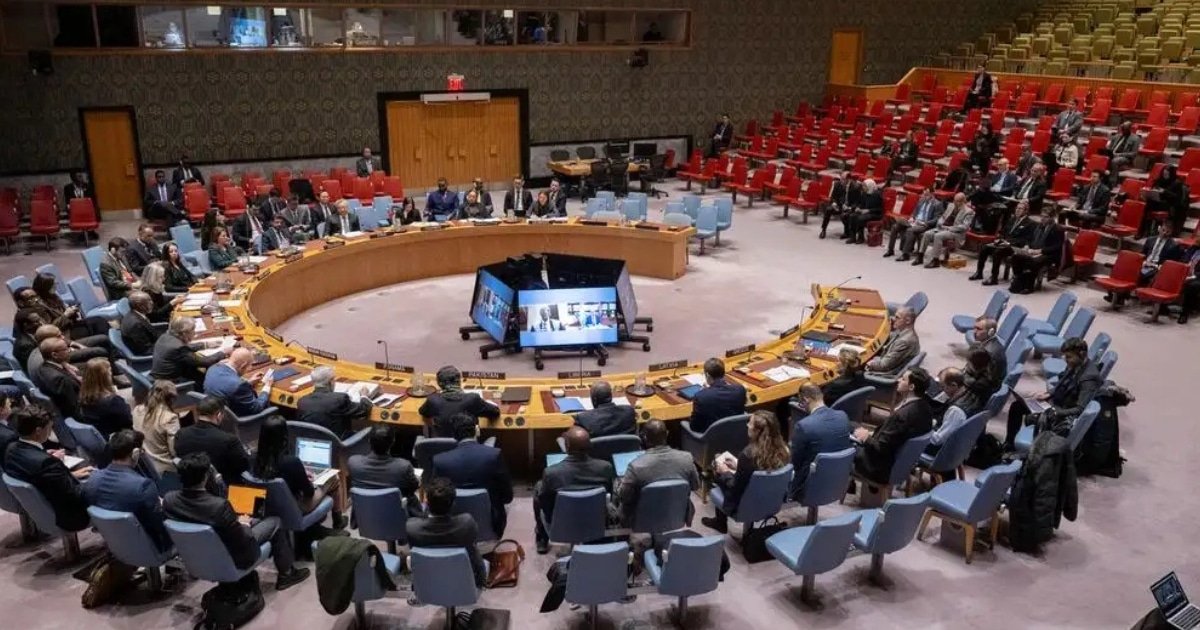


Addressing a high-level open debate of the UN Security Council today, Secretary-General António Guterres issued a stark warning that the foundational principles of international order are eroding, replaced by a dangerous trend of impunity and selective adherence to global rules.
The debate, convened by Somalia under its January presidency, coincides with the 80th anniversary of the UN Charter—a milestone reached amidst multiplying global conflicts and fading confidence in international institutions.
UN Secretary-General @AntonioGuterres warns the “law of the jungle” is replacing international rules, urging world leaders to recommit to the rule of law as the foundation of peace, justice and global security.https://t.co/J5ynrdT6IR
— UN News (@UN_News_Centre) January 26, 2026
The “Beating Heart” of Global Security
The Secretary-General described the rule of law as the “cornerstone of global peace” and the “beating heart” of the UN Charter. He noted that for eight decades, the framework provided by the Charter, the Universal Declaration of Human Rights, and the Geneva Conventions has served as the primary mechanism for preventing a third world war and limiting the toll of regional conflicts.
An “À La Carte” Approach to International Law
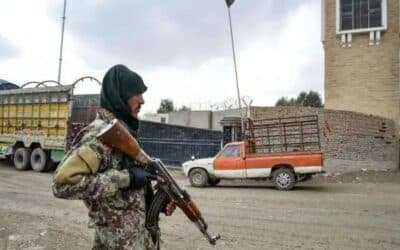
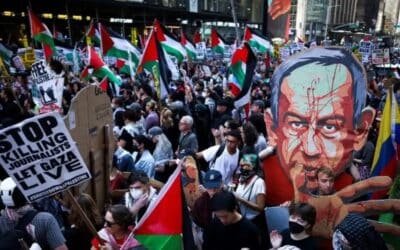
Mr. Guterres condemned the “flagrant violations” observed in modern conflict zones, specifically citing Gaza and Ukraine. He warned that states are increasingly treating international law as an “à la carte menu,” choosing which rules to follow while ignoring others.
“Around the world, the rule of law is being replaced by the law of the jungle,” the Secretary-General stated, pointing to the illegal use of force, attacks on civilian infrastructure, and the denial of life-saving humanitarian aid as evidence of a crumbling global guardrail.
Lifelines and Guardrails
The Secretary-General emphasized that international law serves two critical functions:
- For Developing Nations: It is a “lifeline” promising sovereignty, dignity, and protection against historical inequities and the legacies of colonialism.
- For Powerful Nations: It is a “guardrail” that defines the boundaries of acceptable behavior during times of deep division and outright conflict.
Addressing the Security Council directly, he reminded members of their “singular responsibility” and “universal obligation” as the only body capable of making decisions binding on all Member States.
You May Like To Read: Pakistan’s Role in Regional Trade Agreements: SAFTA, ECO, and New Initiatives
A Three-Point Path Forward
To reverse the current erosion of trust, the Secretary-General outlined three priority areas for the international community:
- Honoring Commitments: A return to the core tenets of the Charter, specifically the peaceful settlement of disputes and respect for sovereign equality.
- Utilizing Peaceful Tools: Increased investment in negotiation, mediation, and judicial settlements, alongside development initiatives to address the root causes of exclusion.
- Judicial Independence: Strengthening support for international criminal justice and encouraging greater reliance on the International Court of Justice (ICJ).
The Secretary-General concluded by stressing that the alternative to the rule of law is a world of perpetual instability where might makes right, urging Member States to renew their original 1945 pledge to save succeeding generations from the scourge of war.
Check out our latest video: