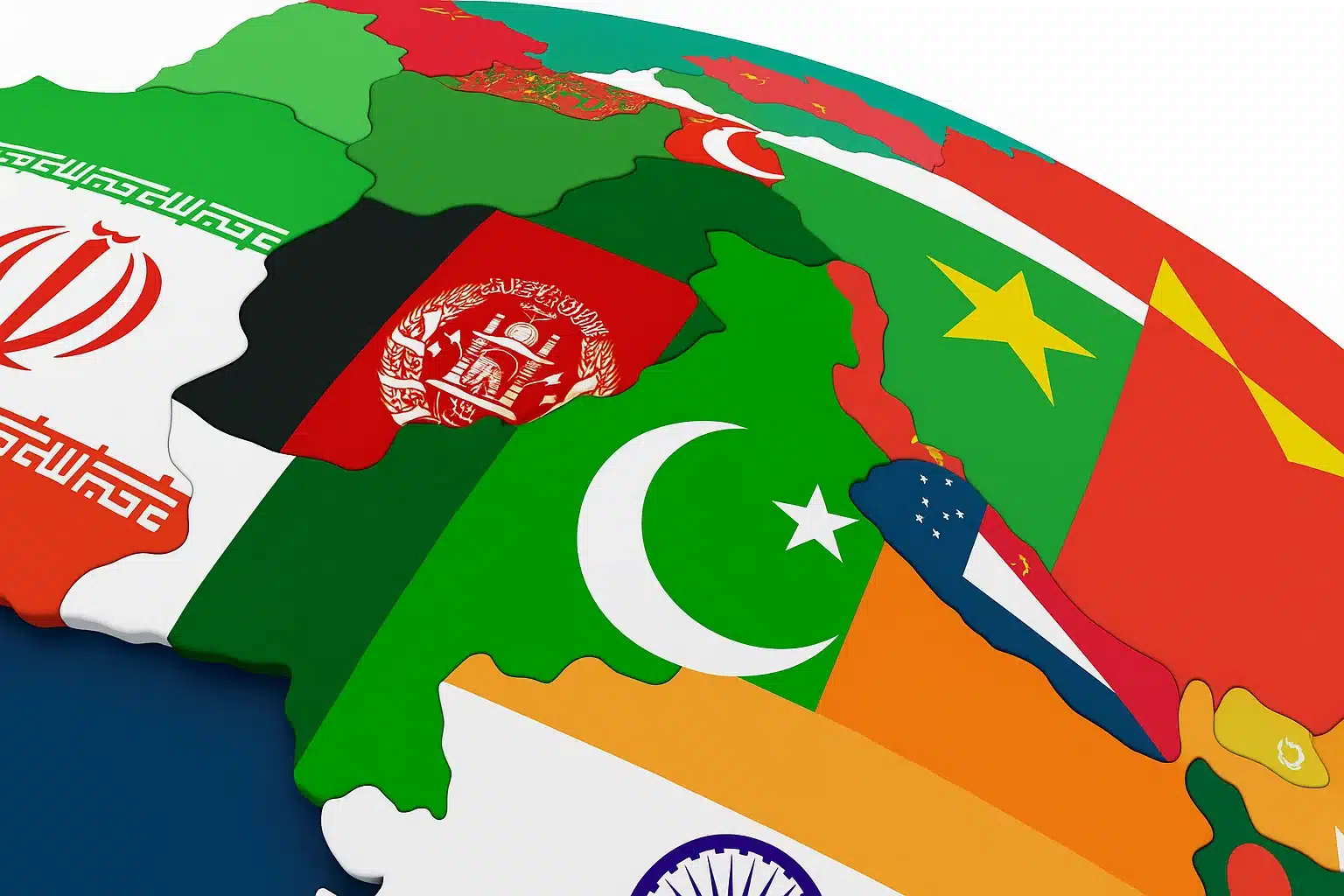


In 2025, Pakistan’s foreign policy stands at a delicate crossroads. A combination of regional realignments, great-power competition, and internal vulnerabilities has made diplomacy a complex balancing act. With alliances under strain and new partnerships emerging, Islamabad is under pressure to recalibrate its external engagements while safeguarding strategic autonomy, economic security, and regional influence.
China: Strategic Partnership Under Strain
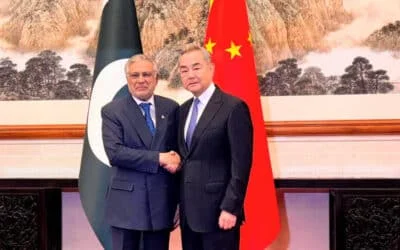
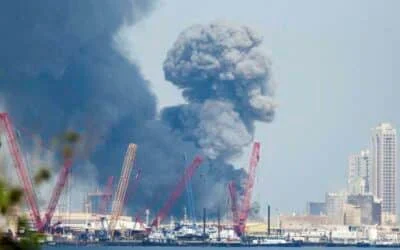
While China remains Pakistan’s closest strategic ally—anchored in military cooperation and the China-Pakistan Economic Corridor (CPEC)—the partnership is showing signs of unease. Repeated attacks on Chinese nationals and infrastructure by insurgent groups, particularly Fitna al Hind (FAH), have alarmed Beijing. The killing of seven Chinese workers in 2024 prompted calls for a Joint Security Mechanism, implicitly signalling dissatisfaction with Pakistan’s domestic security apparatus.

Source: Reuters
Although Islamabad has pledged tighter protection and intensified counter-terror operations, Chinese frustration is reflected in delayed project timelines, reduced investment appetite, and a subtle recalibration of its regional priorities—evidenced by Beijing’s direct engagement with the Afghan Taliban and Gulf monarchies.
United States: From Strategic Ally to Conditional Engagement
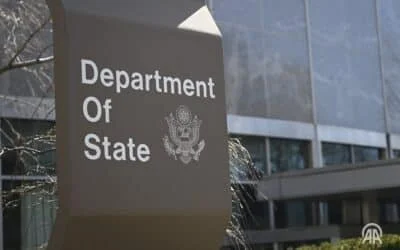
The U.S–Pakistan relationship continues to be transactional, marked by selective cooperation on counterterrorism, Afghanistan, and regional de-escalation. However, Washington’s deepening strategic partnership with India—alongside its renewed Indo-Pacific doctrine—has resulted in greater diplomatic distance. Moreover, human rights concerns and political developments within Pakistan have attracted increasing scrutiny from U.S. lawmakers.
Source: US Department of State
While Islamabad retains relevance in limited spheres, particularly in facilitating humanitarian outreach to Afghanistan, economic assistance remains marginal and increasingly conditional. Recent Senate hearings questioning Pakistan’s internal democratic trajectory have added further complexity to bilateral engagement.
India: Diplomatic Freeze and Strategic Hostility
Relations with India remain in a deep freeze, with no formal dialogue since the abrogation of Article 370 in 2019. The aftermath of Operation Sindoor—an Indian military campaign in illegally occupied Jammu and Kashmir—triggered rare international backlash, including critical coverage in global media and calls for accountability at the United Nations. Islamabad capitalised on this to renew its diplomatic offensive on Kashmir, but substantive international shifts remain limited.
Both nations continue to engage in covert conflict and strategic signalling, with Islamabad particularly wary of India’s defence ties with Israel and growing integration into QUAD and I2U2 frameworks. The perception of regional encirclement has prompted renewed calls in Pakistan for strengthening deterrence and enhancing asymmetric capabilities.
The ties with India have been hostile for a while now, especially since Narendara Modi assumed the premiership of India. The state of India has been funding terrorist organisations—Fitna al Hindustan (FAH)—providing them ammunition, and logistical support, to carry out terrorist activities in Pakistan, especially Balochistan. Even today FAH killed nine passengers, travelling to Punjab, after checking their ID cards—these coercive attempts are to fuel hatred, and provincialism, effectively damaging national cohesion and social fabric.
Afghanistan: Strategic Disappointment
The Taliban regime in Kabul poses a paradoxical challenge. While initially perceived as a potential stabilising partner, the Taliban’s failure to act against Fitna al Khwarij (FAK) elements operating from Afghan territory has deepened bilateral tensions. Sporadic border clashes, closure of trade crossings, and inflammatory statements have undermined the early expectations of strategic alignment.
Although Taliban leadership has declared that fighting Pakistan is “haram”, this has not translated into action on the ground. Islamabad, cautious of deteriorating security and broader regional isolation, has so far maintained restrained responses, but public sentiment is increasingly critical of the Afghan regime’s duplicity.
Gulf States: Economic Pillars, Strategic Constraints
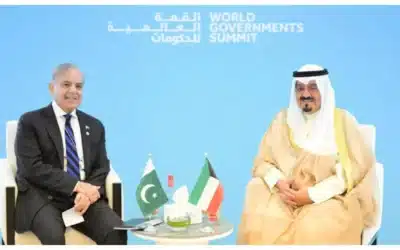
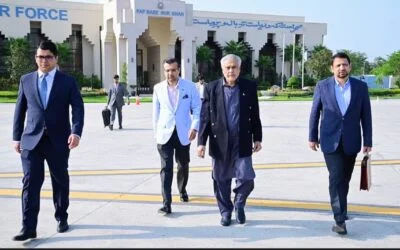
Pakistan’s ties with the Gulf—particularly Saudi Arabia and the United Arab Emirates—remain economically vital. Saudi Arabia’s pledge of $25 billion in prospective investments and UAE-backed infrastructure initiatives have provided a temporary buffer against fiscal instability.

Source: Reuters
Nevertheless, strategic limitations persist. Pakistan has been left out of emerging regional trade and connectivity corridors such as the India-Middle East-Europe Economic Corridor (IMEC) and is often expected to align with Gulf positions on issues concerning Iran, Yemen, and broader sectarian geopolitics. The balancing act remains delicate, as economic dependence increases Pakistan’s susceptibility to political leverage.
Russia and Iran: Quiet Engagements Amid Structural Limits
Islamabad’s outreach to Moscow and Tehran has gained quiet traction, motivated by energy security and the desire for diversification. The import of Russian crude oil at discounted rates and enhanced border trade with Iran signal pragmatic shifts in Pakistan’s external economic engagements.
However, the scope remains limited by international sanctions, strained banking channels, and complex regional dynamics. While engagement with Iran has improved—particularly following the diplomatic resolution of the 2024 border skirmishes—significantly after Pakistan’s positive role during their conflict with Israel. Despite relations with Iran mending, Pakistan still remains cautious not to strain its relationships with Gulf partners or the West.
Multilateral Platforms: Untapped Potential
Pakistan’s participation in forums such as the Shanghai Cooperation Organisation (SCO), the Organisation of Islamic Cooperation (OIC), and the United Nations remains consistent but under-leveraged. Despite securing rhetorical support on Kashmir and counter-extremism, Islamabad has struggled to convert these forums into instruments of meaningful policy influence.
Efforts to engage with emerging coalitions like BRICS have faced structural hurdles, particularly India’s opposition. Nonetheless, the prospect of alternative development financing and geopolitical rebalancing continues to attract Pakistan’s interest.
Between Strategic Patience and Policy Paralysis
Pakistan’s foreign policy in 2025 reflects a multi-vector struggle to navigate shifting global and regional dynamics. Balancing historical partnerships with emergent alliances and managing economic compulsions alongside sovereignty concerns is becoming increasingly intricate.
To avoid marginalisation, Islamabad must develop a coherent, forward-looking foreign policy grounded in institutional capacity, internal stability, and strategic clarity. Diplomacy cannot remain reactive or personality-driven; it must be professionalised and depoliticised to ensure long-term credibility and leverage.