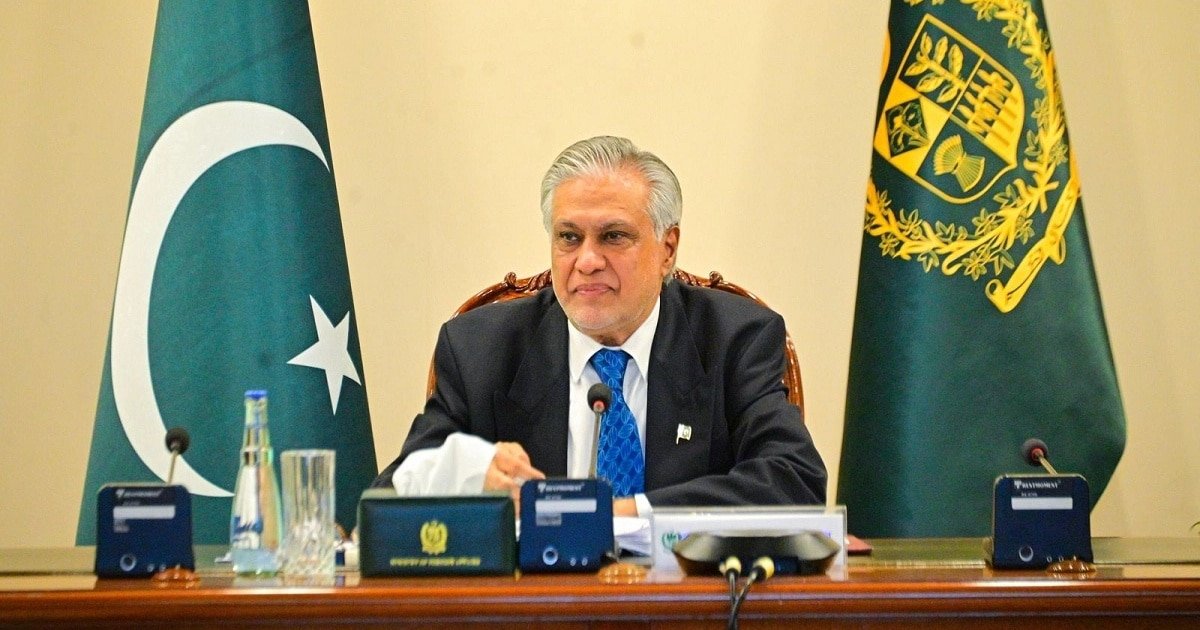



In a landmark decision aimed at reinvigorating Pakistan’s economy, the Executive Committee of the National Economic Council (ECNEC), chaired by Deputy Prime Minister and Foreign Minister Senator Mohammad Ishaq Dar, has approved a staggering Rs1.5 trillion for 27 key projects. The swift approval, granted during a concise two-hour meeting, signals a powerful commitment from the government to accelerate development and tackle a wide range of national challenges. These projects, which touch upon critical sectors from infrastructure and energy to education and environmental sustainability, are poised to inject much-needed momentum into the country’s economic landscape.
The comprehensive package reflects a strategic and multi-faceted approach to national development, with a clear focus on both short-term stimulus and long-term prosperity. With initiatives distributed across both federal and provincial levels, the funding is designed to ensure inclusive growth, reaching various regions and communities. The government’s top economic decision-making body, the ECNEC meeting, was attended by key figures including the Minister for Planning, federal secretaries, and provincial ministers, underscoring a coordinated effort to drive progress.
Source: Tribune
Revitalizing Infrastructure and Connectivity
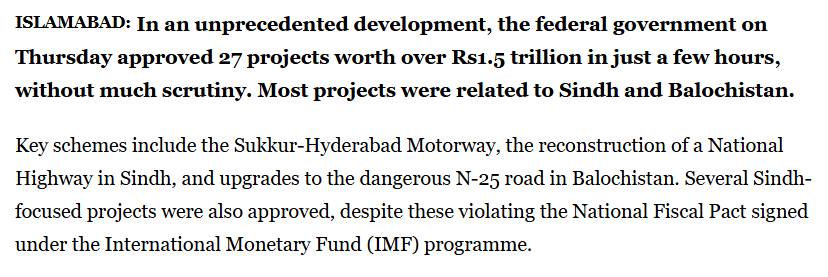
A significant portion of the approved funds, totaling over Rs1.2 trillion, is dedicated to vital infrastructure projects that are essential for trade, transport, and regional connectivity. A key priority is the construction of the Sukkur-Hyderabad Motorway (M-6), which has been approved at a revised cost of Rs363 billion. This motorway is a crucial missing link in the north-south highway network and is seen as a pivotal project for improving trade and passenger travel.
You May Like To Read: A New Chapter in Pak-US Strategic Trade
Equally impactful is the massive investment of Rs415 billion for the dualization of three sections of the treacherous Karachi-Quetta-Chaman road (N-25). Often referred to as the “killer road” due to its high accident rate, the upgrade of this critical artery is expected to significantly improve safety and facilitate economic activity between Pakistan’s largest city and its key western regions.
Other noteworthy infrastructure projects include the dualization of the Sargodha to Mianwali road (Rs12 billion), a controlled access corridor in Lahore (Rs12 billion), and the extensive reconstruction of National Highway N-5 at a cost of Rs165 billion, a project backed by the Asian Infrastructure Investment Bank (AIIB). The focus on road networks in Balochistan and Sindh, particularly the Sindh Coastal Highway and the Mehran Highway, reflects a clear intention to enhance connectivity in historically underserved areas.
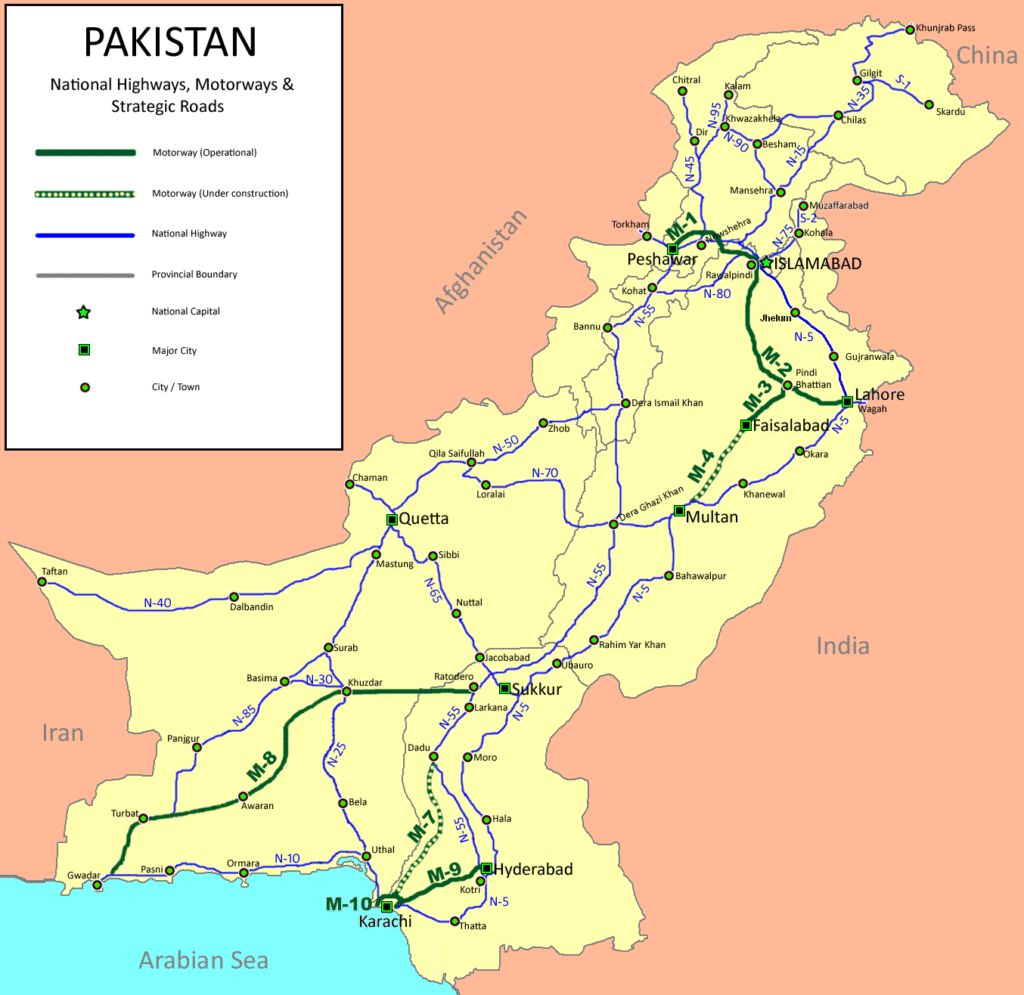
Map of: Motorways; National Highways; and Strategic Roads | N5
Investing in Human Capital and Sustainability
Beyond infrastructure, ECNEC’s approvals demonstrate a commitment to social development and environmental resilience. A substantial Rs21.2 billion was allocated for the Higher Education Development programme, with an additional Rs14 billion set aside for the Prime Minister’s Pakistan Fund for Education. In Punjab, a significant Rs27 billion was approved for the CM Maryam Nawaz’s Laptop Programme, aiming to empower youth with modern technology.
The government also prioritized climate-resilient initiatives, upscaling the Green Pakistan Programme to a staggering Rs122.2 billion. This program focuses on critical areas like forest restoration and biodiversity. A Rs17 billion flood management project in Balochistan’s Kachhi Plains was approved to mitigate the impact of natural disasters, while a separate Rs10 billion was allocated for a water security project in the same province. The energy sector was not left behind, with the approval of the 16MW Naltar Hydropower Project, set to be completed at a cost of Rs10.6 billion.
You May Like To Read: Taxation Policy and Fiscal Federalism in Pakistan | NFC Award
A Coordinated Path Forward
The breadth and scale of these approvals highlight a cohesive strategy to drive national development from multiple angles. The Deputy Prime Minister, Senator Mohammad Ishaq Dar, affirmed that the country’s economy is moving in the right direction, emphasizing the government’s commitment to inclusive, sustainable growth and institutional reforms. The meeting itself, which included the participation of key Provincial Ministers and Senior Officials, reflects a unified front in implementing this vision.
By funneling over Rs1.5 trillion into a diverse portfolio of projects, the government aims to create a ripple effect of positive economic outcomes. The infrastructure projects are expected to enhance trade and logistics, while investments in education and technology will foster a skilled workforce. Meanwhile, the environmental and energy projects lay the groundwork for a more resilient and sustainable future. This ambitious initiative is a strong signal of the government’s resolve to address Pakistan’s long-standing developmental challenges and pave the way for a new era of prosperity and stability.