




In a landmark ruling that has reverberated across South Asia, the Permanent Court of Arbitration (PCA) in The Hague has delivered a decisive legal victory for Pakistan in its long-standing water dispute with India. The court’s decision, issued on August 8, 2025, affirmed Pakistan’s interpretation of the Indus Waters Treaty (IWT), effectively mandating that India must allow the unhindered flow of western river waters for Pakistan’s use. The ruling unequivocally rejected India’s unilateral attempt to suspend or reinterpret the treaty, a move that Pakistan had previously labeled as a serious diplomatic transgression. This outcome is a testament to the power of international law and a significant legal validation of Pakistan’s riparian rights.
Background: The Enduring Indus Waters Dispute
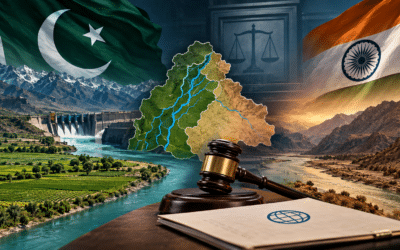
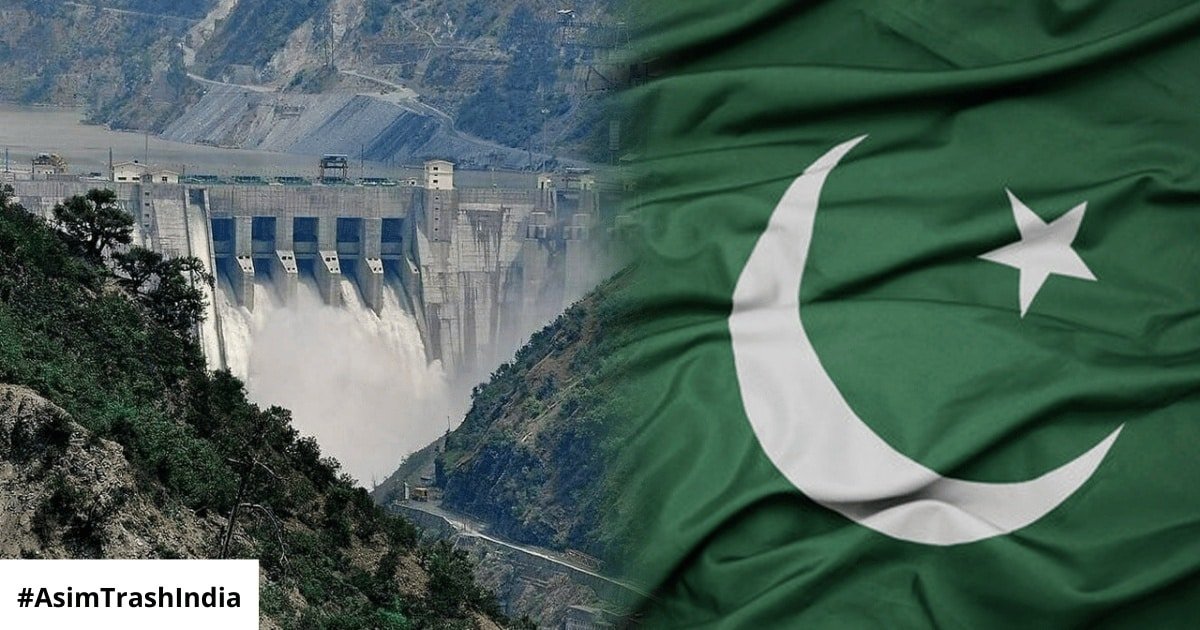
The Indus Waters Treaty, a pivotal agreement brokered by the World Bank in 1960, stands as one of the most successful water-sharing accords in history, dividing the waters of the Indus and its tributaries between India and Pakistan. Under the treaty, India was granted control over the eastern rivers (Ravi, Beas, and Sutlej), while it was obligated to “let flow” the western rivers—Indus, Jhelum, and Chenab—for Pakistan’s full and unrestricted use. Over the decades, disputes have persistently emerged, primarily centered on India’s construction of run-of-river hydroelectric projects on the western rivers. Pakistan has consistently argued that the design and operation of these projects, such as the Kishenganga and Ratle hydroelectric plants, violate the treaty’s provisions by allowing India to exercise control over water flows, thereby compromising its downstream rights.
You May Like To Read: Global Peace Agreements under Trump 2.0
The tensions reached a boiling point in April 2025, when India took the unprecedented step of declaring the treaty in “abeyance,” a move that marked a significant escalation. India’s refusal to participate in the dispute resolution proceedings was a unilateral act that Pakistan’s Foreign Office referred to as a deeply concerning development. In response, Pakistan initiated the arbitration process in 2016 to safeguard its water rights and compel India to comply with the IWT, demonstrating its commitment to resolving the matter through legal channels. The recent ruling, therefore, is the culmination of a protracted legal and diplomatic struggle, and it is a powerful affirmation of Pakistan’s stance.
PCA Ruling: The Key Findings, and Legal Nuances
The PCA’s Award on Issues of General Interpretation of the IWT, issued on August 8, 2025, is a legally binding document that decisively clarifies several key provisions of the treaty. The court’s findings are a comprehensive vindication of Pakistan’s position.
First and foremost, the court held that India must strictly “let flow” the western rivers into Pakistan, with any exceptions for hydroelectric generation to be interpreted narrowly and in strict accordance with the treaty’s specific parameters. This ruling directly challenges India’s attempts to use its own interpretations or “best practices” to justify project designs that could potentially impede water flow.
Second, the PCA provided crucial technical clarifications. It specified that project design features, including low-level outlets, gated spillways, turbine intakes, pondage, and freeboard, must conform precisely to treaty requirements. For example, the court ruled that “pondage” for firm power must not exceed twice the water accumulated over a minimum seven-day flow, and “freeboard” must be strictly limited to what is necessary for dam safety. These detailed rulings provide a clear and unambiguous framework that will govern future hydroelectric projects and prevent India from making unilateral changes that could impact Pakistan’s water supply.
You May Like To Read: Pakistan Airports Authority Faces Rs. 4.1 Billion Loss
Finally, and perhaps most crucially, the court reasserted its jurisdiction and competence to issue a binding award, even in the face of India’s attempted boycott of the proceedings. This finding reinforces the fundamental principle that international arbitration decisions are final and binding, underscoring the integrity of the dispute resolution mechanisms established under the IWT. It signals that a party cannot simply abandon its treaty obligations or the legal processes designed to enforce them.
Pakistan’s Reaction, and the Ruling’s Significance
Pakistan’s Foreign Office was quick to welcome the decision, issuing a statement that hailed the award as a “vindication of its long-standing position“. The statement noted that the ruling affirms Pakistan’s rights and urged India to resume “normal treaty functioning” without further delay. For Pakistan, the ruling is more than just a legal victory; it is a strategic and moral triumph that strengthens its position on the international stage.
🔊PR NO.2️⃣3️⃣7️⃣/2️⃣0️⃣2️⃣5️⃣
Pakistan Welcomes the Award Rendered by the Court of Arbitration on the Issues of General Interpretation of the Indus Waters Treaty (IWT).
🔗⬇️https://t.co/fzmDYpXbYj pic.twitter.com/fNkbnDwyrv
— Ministry of Foreign Affairs – Pakistan (@ForeignOfficePk) August 11, 2025
The decision has been widely praised by legal and geopolitical observers as a significant success for Pakistan. Analysts have highlighted that the award reinforces the principle that even long-standing bilateral treaties cannot be suspended unilaterally by one party. It also underscores India’s inability to exert unilateral authority over shared water resources, a key point of contention in the strained bilateral relationship. The PCA’s ruling provides a clear precedent and a powerful legal tool for Pakistan to protect its water rights in the future.
Field Marshal General Asim Munir’s bold and uncompromising stance on defending Pakistan’s water rights reflects both his courage and unwavering commitment to national sovereignty. His clear message to India!! any attempt to build a dam in violation of the Indus Waters Treaty will… pic.twitter.com/mmzhDGQnbN
— Syed Ali Musa Gillani (@SyedMusaGillani) August 10, 2025
Implications for the Indus Waters Treaty, and Beyond
The PCA Award carries wide-ranging implications for both countries and for the future of the IWT. It reinforces the principle that longstanding bilateral treaties are not subject to unilateral suspension, a precedent that will have far-reaching consequences in international relations. For Pakistan, the ruling provides a clear legal basis for future actions regarding India’s planned and existing hydroelectric projects, such as the Kishenganga and Ratle dams. These projects are now subject to stricter scrutiny and must be re-evaluated to ensure they comply with the PCA’s new clarifications.
As the downstream riparian state, Pakistan’s vulnerability on water-sharing issues has received explicit legal recognition, a significant development given the geopolitical tensions in the region. The ruling also sends a powerful message that, despite deteriorating bilateral tensions, international mechanisms for dispute resolution can and do function effectively. The PCA’s call for both sides to cooperate early in the design phase of future hydroelectric projects provides a potential pathway for de-escalation and constructive engagement, even though the political will for such cooperation remains uncertain.
Conclusion: A Turning Point, and the Path Forward
The PCA’s ruling represents a turning point in the Indus Waters Treaty dispute. It clarifies Pakistan’s rights, reasserts the treaty’s legal foundations, and establishes a clear precedent against unilateral treaty suspension. For Pakistan, it marks a strategic and moral victory, endorsed by international law.
However, the long-term impact of this ruling will depend heavily on its implementation. India’s next steps—whether it chooses to comply with the award or continues its path of resistance—will be the defining factor for the treaty’s future relevance. Moving forward, Pakistan must remain vigilant and prepared to seek enforcement through legal channels if India persists in transgressions. The ideal path toward a sustainable and peaceful water-sharing solution in a region where water is both lifeblood and a source of contestation lies in cooperation, transparency, and a renewed adherence to the spirit of the IWT. The international community, and particularly the World Bank, will be watching closely to ensure that this landmark ruling is respected and that the stability of the IWT is preserved.