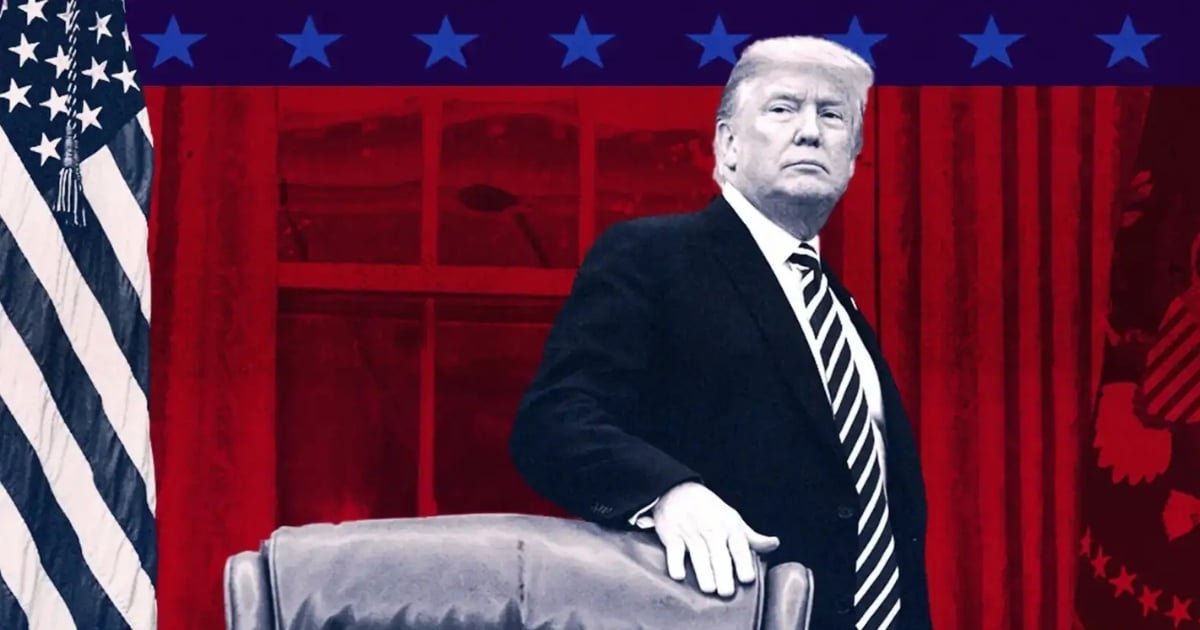





What a second Trump term looks like in practice
Donald Trump’s return to the White House in January 2025 has not been a rerun of gentle policy tweaks; it has been a focused push to reorder U.S. domestic and foreign priorities around a hard “America First” frame. That frame treats immigration control, industrial policy and alliance burdens as parts of a single project: secure American jobs, reduce perceived external dependencies, and reward states that “pay their way.” These are not just campaign slogans; the administration has issued concrete orders and policy moves that reflect them.
Immigration: tough language, faster removals
From the first weeks of the second term the administration moved to tighten enforcement. A presidential order signed in January 2025 framed strict immigration enforcement as a national security priority and set the tone for stepped-up removals and broader enforcement measures. Interior enforcement agencies reported higher removal numbers in early 2025 than in the preceding months, and new directives expanded the categories of immigrants prioritized for deportation, signaling a systematic approach rather than ad-hoc action. The policy aims to produce rapid, visible results at home, but it also carries diplomatic and humanitarian costs abroad.
You May Like to Read: Trump Administration Revokes 80,000 US Visas in Broad Immigration Crackdown
Trade policy: tariffs as leverage and risk
Tariffs, once a rare tool in post-war U.S. trade policy, have returned as a central lever of industrial strategy. The administration has announced rounds of tariffs aimed at protecting specific industries, and high-profile measures on trucks, furniture and pharmaceuticals in late 2025 underline a willingness to use steep levies to force onshore investment and renegotiate supply chains. To be clear, the stated goal is to revive domestic manufacturing; the trade-off is higher input costs, friction with major partners, and the risk of retaliatory measures. Even when the White House has scaled back or exempted some goods (for example, food items later in 2025 to ease inflationary pressures), the underlying logic, using tariff threat to extract concessions, remains.
You May Like to Read: South Korea to Cut Tariffs Under New US Trade Deal
Alliance skepticism: questioning the mutual defence bargain
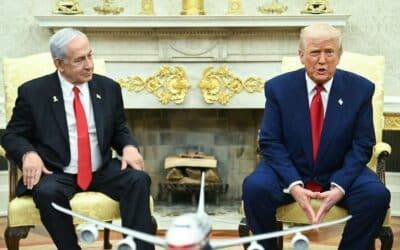
A defining foreign-policy posture of this administration is conditionality toward alliances. Public statements by the president in 2025 cast doubt on unconditional commitments and repeatedly tied defense guarantees to burden-sharing and perceived trade fairness. This rhetoric revives an old isolationist strain, not complete withdrawal, but transactional security where U.S. protection is earned rather than assumed. The immediate effect has been unease in capitals that have relied on American deterrence, particularly in Europe and East Asia, forcing partners to hedge and to accelerate their own defence planning.
Historical echo: isolationism rebranded, not identical
Comparing this moment to the isolationist currents of the 1930s or the retrenchment after World War I is useful but also limited. Then, U.S. retreat was wrapped in legal tariff regimes, immigration quotas and a culture of non-entanglement. Today’s moves are different in method: they operate from within a globalized economy and from a superpower deeply embedded in alliances and institutions. What is new is the deliberate, executive-driven effort to reshape those institutions toward narrower national advantage rather than full abandonment. In short, it is a modernized, transactional isolationism rather than the outright withdrawal of earlier eras.
The BRICS question: substitute or splinter?
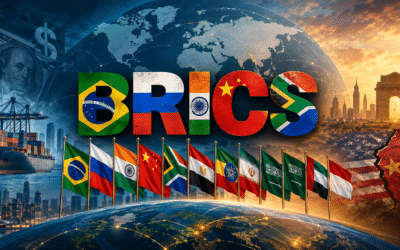
As the United States reorders its commitments, the BRICS coalition and other “Global South” groupings have sought greater influence. BRICS expanded rapidly in 2023–25, bringing in new members and signalling an appetite to institutionalize a multipolar alternative to Western-led forums. Yet BRICS is politically diverse, with members sometimes at odds over big issues such as Russia’s war in Ukraine and differing development models. Expansion gives BRICS more weight, but weight alone does not translate into a coherent governance alternative that can underwrite global public goods from secure maritime commons to financial stability, without cooperating or competing with existing institutions.
You May Like to Read: BRICS Expansion: Towards a Counter-Western Order or Just Symbolic Posturing?
Can multipolarity avoid great-power rivalry?
For Pakistan and many middle powers, a multipolar world could offer more bargaining space and diversified partnerships. But the critical danger is disorder: if Washington pulls back in key theatres while new power blocs jockey for advantage, the result could be overlapping spheres of influence and more local conflicts that superpowers feel compelled to resolve. BRICS and similar groupings can blunt unilateral dominance, but unless they develop predictable rules, dispute-resolution mechanisms and credible capacities to provide public goods, the geopolitical vacuum risks being filled by rivalry rather than cooperative governance.
Why Pakistan should watch and how to respond
For Pakistan the practical question is not which system triumphs, but how to navigate a world where strategic choices are less predictable. A pragmatic approach is to deepen diversified ties: maintain working relations with major powers while strengthening regional institutions and trade links that reduce exposure to single-power shocks. Diplomacy that bets on stable institutions, norms and economic linkages, rather than mere alignment with any single bloc, will best serve national interests in a fracturing order.
Conclusion: a deliberate drift with uncertain substitution
Trump’s second term represents a deliberate tilt away from the post-war liberal order’s assumptions, driven by domestic politics and a preference for transactional statecraft. The administration’s immigration directives, tariff campaigns and alliance conditionality together amount to significant pressure on the old rules-based system. Expanded groupings like BRICS show that multipolar alternatives are emerging, but their capacity to offer a stable, rule-based substitute is far from assured. The near-term future is likely to be a world of bargaining, recalibration and risk, and success for countries like Pakistan will depend less on grand narratives and more on steady, practical diplomacy that preserves options and protects core interests.