




The March on Washington for Jobs and Freedom
Thousands of people walked on August 28, 1963, to Washington, D.C., where they participated in the March on Washington for Jobs and Freedom. Large civil rights and labor leaders, including the NAACP (National Association for the Advancement of Colored People), the Southern Christian Leadership Conference (SCLC) under the leadership of Dr. King, and the labor unions such as the United Auto Workers, organized the march. It was aimed at insisting on the abolition of racial separation, equal treatment in the workplace, and improved opportunities for African Americans who were discriminated against in schools, employment, and housing.
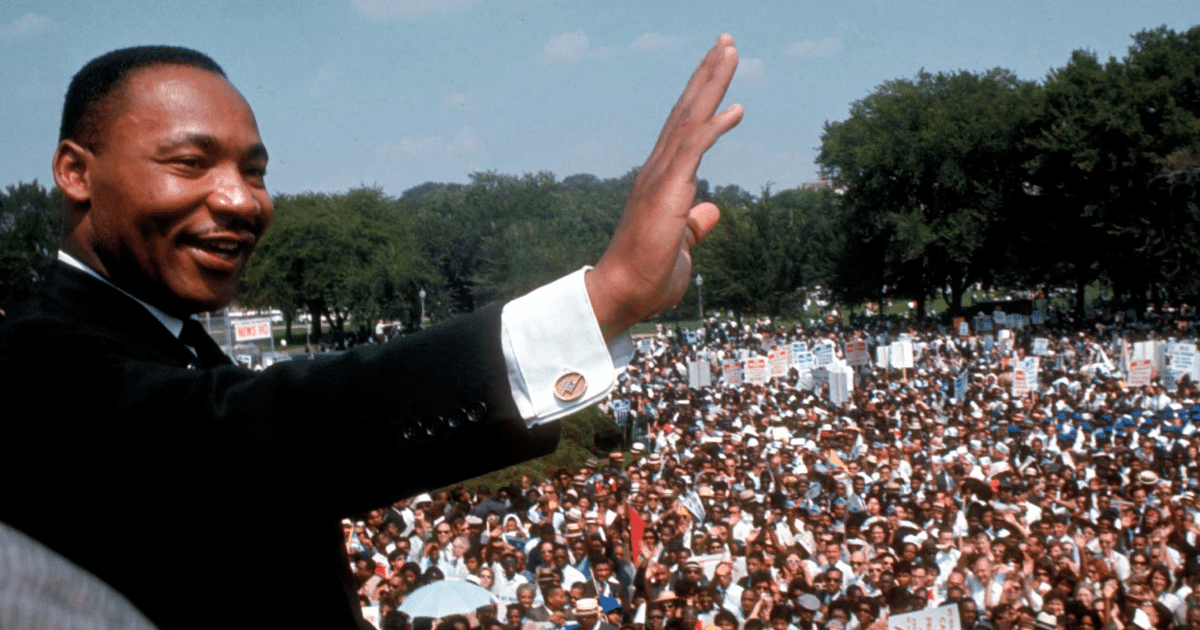
It was one of the largest demonstrations in the history of the U.S., and between 200,000 and 250,000 people assembled in the place of peace at the Lincoln Memorial. Racially, religiously, and background persons united, with signs that demanded equality, freedom, and justice. The unity and calmness of the march revealed the power of the Civil Rights Movement and made a strong statement to the government of the U.S. that changes had to be made.
You May Like To Read: Prime Minister of Pakistan to Attend China Victory Day Parade as State Guest
Delivering the Dream
The best moment of the March on Washington was when Dr. Martin Luther King Jr. climbed the steps numbered at the Lincoln Memorial and delivered his historic speech. Addressed to more than 200,000 listeners, King referenced the place to the fact that Abraham Lincoln had signed the Emancipation Proclamation 100 years before, and African Americans still could not be called truly equal.
Dr. King talked in his speech about how there must be racial justice, freedom, and unity. He reminded the country that African Americans had been denied the right to be met for a long time. The best known section of his speech was when he repeated the words I have a dream and told how he saw the future when children of all races would attend school together, people would be judged by their personality rather than their skin color, and the people would have freedom and equality.
The speech was filled with emotion and hope, and determination. It moved the audience at the Lincoln Memorial and the millions who would later see it on television, and made the words of King one of the most renowned calls to justice in the history of the world.
Immediate Impact, and a Catalyst for Change
The speech made by Dr. King, I Have a Dream, produced an immediate and strong effect. The massive attendance at the Lincoln Memorial gave way to cheers and tears, and newspapers all over the nation termed the affair a turning point in the struggle against civil rights. Millions of Americans observing the march on television were impressed by the peaceful nature of the march, which indicated that the Civil Rights Movement was not about anger and violence, but about justice and dignity.
The speech provided added momentum politically in Washington, D.C. Leaders in Congress and President John F. Kennedy realized that change was urgently needed. However, it only took a year later, in the year 1964, when the U.S. enacted the Civil Rights Act that banned discrimination based on skin tone in public places and also prohibited discrimination in employment. This was followed by the enactment of the Voting Rights Act in 1965, which guaranteed African Americans the right to vote without any undue restrictions. These acts turned into one of the biggest successes of the Civil Rights Movement, and the speech of King contributed significantly to the establishment of their support.
In addition to the legislature, the speech turned Dr. King into an international icon of justice and hope. His equal dream became an inspirational moment to not only Americans but also the world at large, who were struggling against racism, colonialism, and injustice. The speech that he gave on that day of summer still has an impact on the human rights movement decades later.
The Legacy of ‘I Have a Dream’
The speech of Dr. Martin Luther King Jr. on August 28, 1963, is today remembered as one of the best speeches in history. It was more than a potent word; it turned out to be an enlightening light to the Civil Rights Movement, and it helped make real change in American society. This was the momentum that created the Civil Rights Act of 1964 and the Voting Rights Act of 1965, which were both inspired by the march and the memorable message left by King.
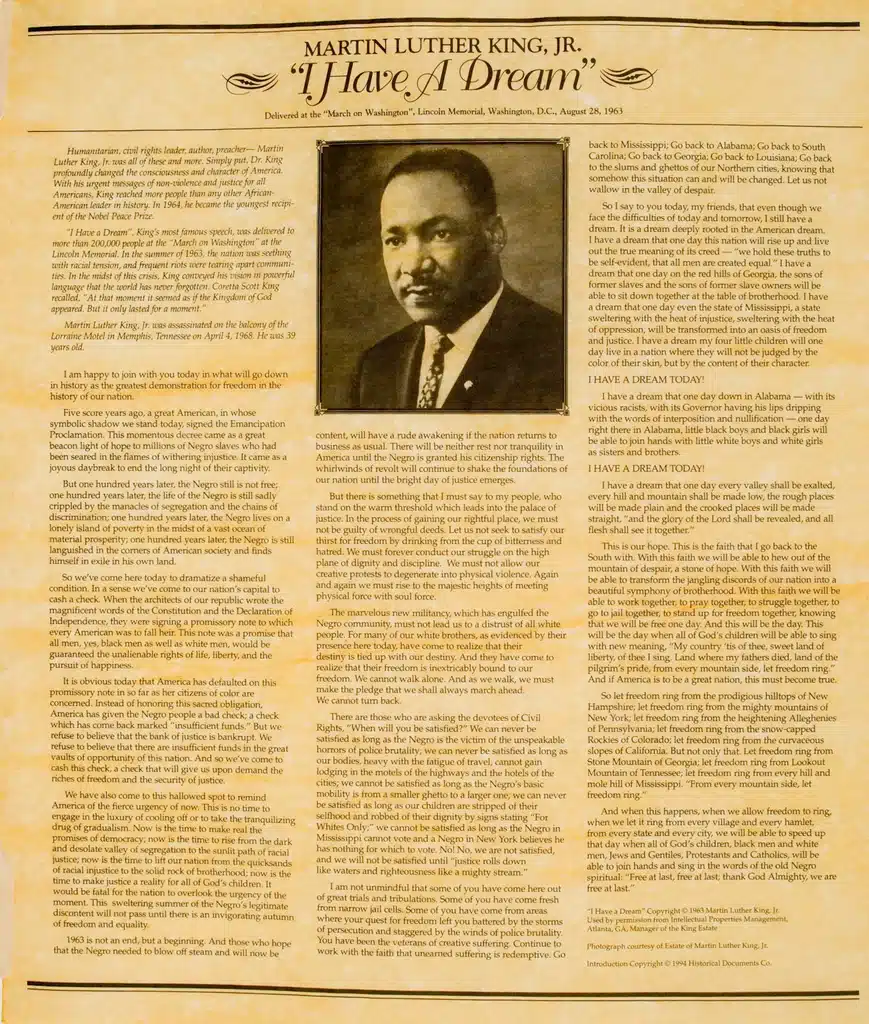
But even better than its time, the speech is significant. Its cry of justice, equality, and togetherness continues to motivate the people throughout the world who struggle against racism, discrimination, and injustice. The dream that King referred to, in which individuals will not be judged by the color of their skin but by their character, is still a goal that societies are working towards today.
That is why the date August 28 means a lot. On this day, this was what was said in the United States and across the world that changed history and said what millions of people wanted. Remembering this day every year is not only a reflection of honoring Dr. King but also reaffirming the desire to see his dream come true. August 28 stands as a lasting symbol of hope, courage, and the unending fight for freedom and equality.
You May Like To Read: Iran Clarifies Nuclear Stance, Resumption of IAEA Inspections is Not Full Cooperation