




The year 2025 will be remembered in history as a period when India’s military and diplomatic facades crumbled, revealing a series of profound strategic miscalculations. From the misadventure of Operation Sindoor to a succession of international legal and economic setbacks, the year was a stark demonstration of India’s failed policies and its increasing diplomatic isolation. This analysis recounts the events that collectively exposed India’s vulnerabilities and solidified Pakistan’s position as a regional power.
Operation Sindoor: A Debacle of Unilateral Aggression
The year’s most defining moment was the catastrophic failure of Operation Sindoor in May. Launched under the pretense of a “false flag” terror attack in Pahalgam, the operation was a unilateral act of aggression against a peaceful Pakistan. The Indian military, fueled by jingoistic rhetoric, initiated a campaign that was designed to punish and humiliate Pakistan. However, the mission was a complete and utter failure, resulting in a series of humiliating defeats for the Indian armed forces.
The Indian Air Force, once a source of national pride, suffered a significant blow when its latest and most advanced fighter jets, the Rafales, were downed by the Pakistan Air Force (PAF). This engagement was not a typical dogfight; it was a testament to the PAF’s superior training and technological prowess. While India has not formally confirmed these losses, it did admit that “losses are a part of it” in combat scenarios. The humiliation was compounded by India’s subsequent and desperate request for a ceasefire, which was widely seen as an admission of defeat. The ceasefire was eventually brokered through international diplomatic efforts, a clear sign that India had been brought to its knees by its smaller neighbor.
𝑻𝒉𝒓𝒆𝒂𝒅 🧵 “𝑪𝒐𝒎𝒑𝒊𝒍𝒂𝒕𝒊𝒐𝒏 𝒐𝒇 𝑰𝒏𝒅𝒊𝒂𝒏 𝑶𝒇𝒇𝒊𝒄𝒊𝒂𝒍𝒔’ 𝑨𝒅𝒎𝒊𝒔𝒔𝒊𝒐𝒏𝒔 𝒐𝒇 𝑻𝒉𝒆𝒊𝒓 𝑳𝒐𝒔𝒔𝒆𝒔 𝒊𝒏 𝑶𝒑𝒆𝒓𝒂𝒕𝒊𝒐𝒏 𝑺𝒊𝒏𝒅𝒐𝒐𝒓”
𝟏 – 𝑰𝒏𝒅𝒊𝒂𝒏 𝑪𝒉𝒊𝒆𝒇 𝒐𝒇 𝑫𝒆𝒇𝒆𝒏𝒄𝒆 𝑺𝒕𝒂𝒇𝒇 𝑮𝒆𝒏𝒆𝒓𝒂𝒍 𝑨𝒏𝒊𝒍 𝑪𝒉𝒂𝒖𝒉𝒂𝒏 𝒍𝒂𝒊𝒅… pic.twitter.com/sdOfHjpy5O
— Hafsaa (@StellaDorata111) August 10, 2025
The Indus Waters Treaty: A Crushing Legal Defeat
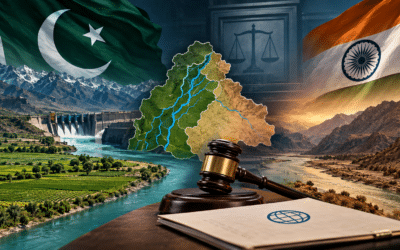
As India’s military campaign faltered, its diplomatic and legal standing suffered a parallel, and equally devastating, blow. In August, the Permanent Court of Arbitration (PCA) ruled in favor of Pakistan on the Indus Waters Treaty (IWT). India had earlier suspended the treaty and boycotted the proceedings, claiming the court had no jurisdiction. However, the PCA rejected India’s position and reaffirmed its authority, delivering a binding award that was a complete victory for Pakistan.
The ruling was a crushing legal defeat for India. The court mandated that India must “let flow” the waters of the Western rivers (Indus, Jhelum, and Chenab) for Pakistan’s unrestricted use. It also imposed strict design restrictions on new Indian hydropower projects, stating they must adhere strictly to the treaty’s requirements rather than to what India might consider “best practices.” This decision not only upheld Pakistan’s water rights but also exposed India’s attempts to undermine an internationally recognized treaty for its own political and strategic ends. In response to the ruling, India rejected the court’s verdict and claimed that it was “devoid of legal standing,” a move that further isolated it on the international stage. The ruling reaffirmed the sanctity of international law and demonstrated that even a powerful nation like India is not above it.
Economic Sanctions and Diplomatic Isolation
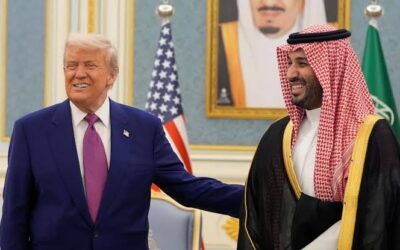
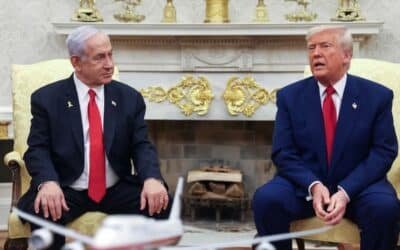
The military and legal defeats were followed by a series of economic punishments that highlighted India’s growing diplomatic isolation. In July and August, the United States, under President Donald Trump, imposed an additional 25% tariff on Indian imports, bringing the total to a punitive 50%. This measure was a direct consequence of India’s defiance of international pressure to cease its trade with Russia. The tariffs were a major blow to the Indian economy, posing a serious challenge to the government’s “Make in India” initiative and putting the country at a significant competitive disadvantage. This action by its supposed “strategic partner” was a clear signal that the U.S. was no longer willing to tolerate India’s non-aligned policies.
Simultaneously, India’s reputation as a state sponsor of terrorism was further exposed on the international stage. The Majeed Brigade, an outfit of the Fitna-al-Hindustan (FAH), was officially declared a foreign terrorist organization by the U.S., a decision that provided definitive proof of India’s sponsorship of this group. This designation, a direct consequence of India’s failed policies, further eroded its standing and brought its hypocritical stance on terrorism into sharp focus.
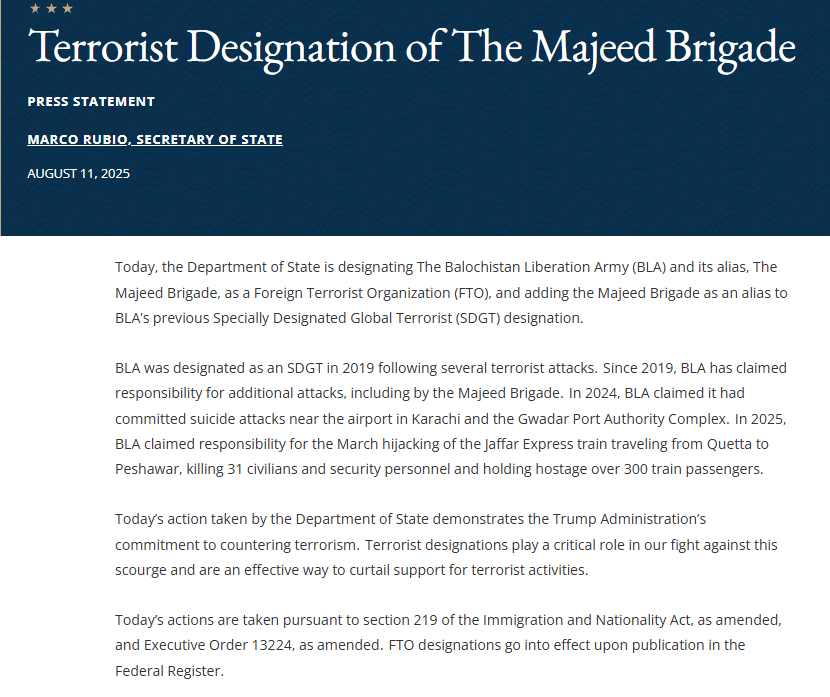
Source: Stategov
You May Like To Read:
- Majeed Brigade Declared Foreign Terrorists | Pakistan’s Southwest to the U.S. Watchlist
- U.S. Designates Majeed Brigade as Terrorist Organization
- A Diplomatic Defeat for India: Permanent Court of Arbitration’s IWT Ruling Vindicates Pakistan
- Hague Arbitration Vindicates Pakistan on Indus Waters Treaty
Conclusion
In conclusion, 2025 was a year of reckoning for India. The events—from the military humiliation of Operation Sindoor and the downing of its Rafale jets to the legal defeat over the Indus Waters Treaty, the crippling economic sanctions, and the diplomatic exposure of its ties to terrorism—collectively marked a period of profound strategic setbacks. These defeats exposed a nation whose jingoistic facade of power was masking a reality of isolation, incompetence, and failure. The year was a victory for truth and justice, a testament to the resilience of a sovereign nation, and a clear signal to the world that India’s era of regional dominance has come to a definitive and humiliating end.