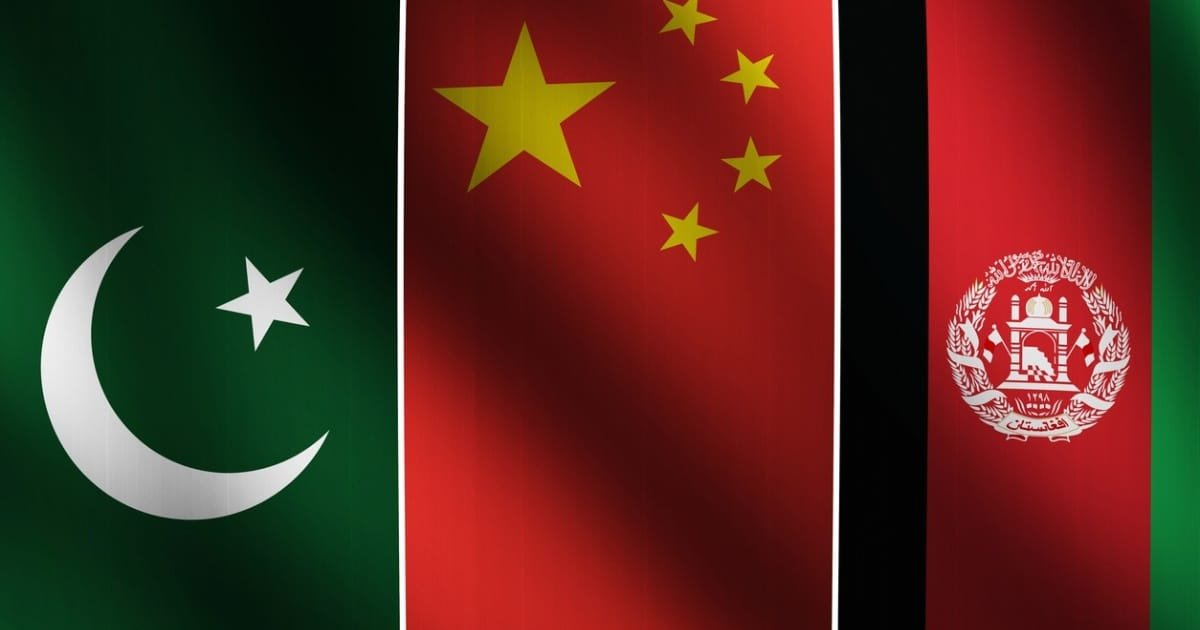





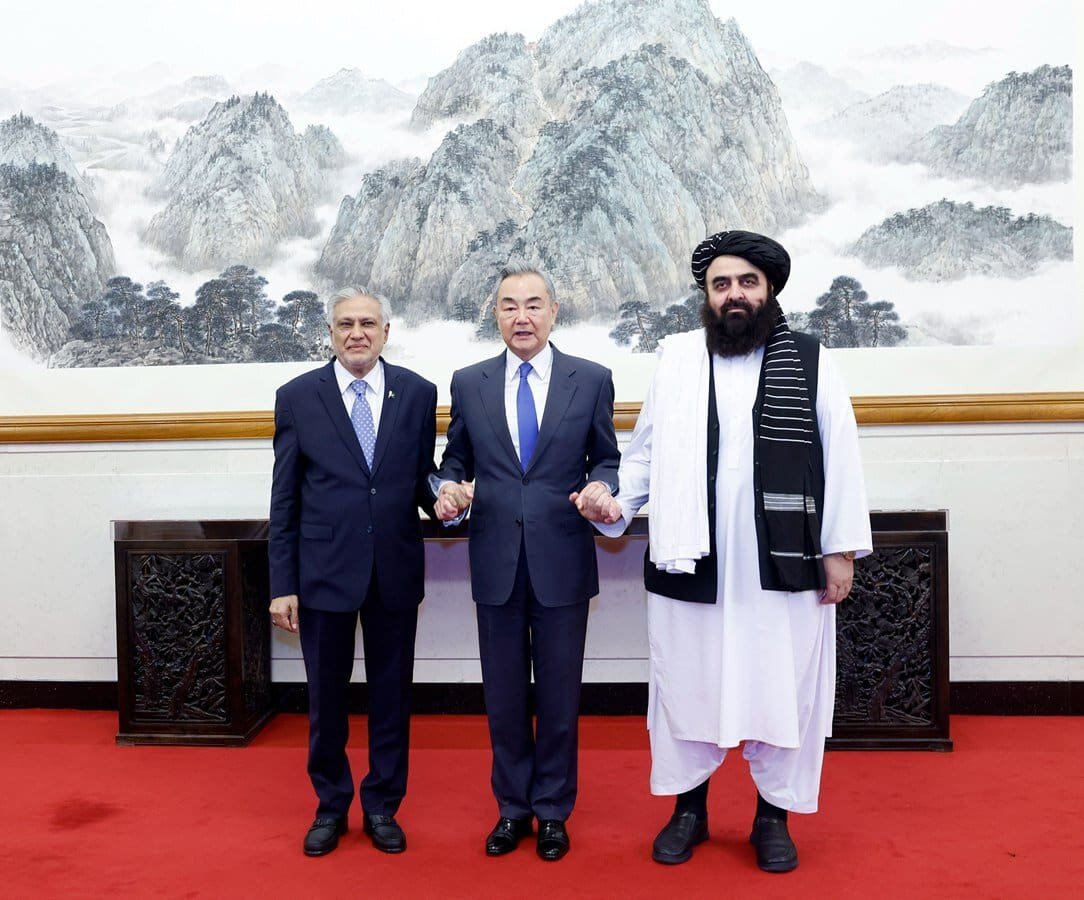
Pakistan, China, and Afghanistan have recently renewed their commitment to bolstering joint efforts against terrorism and deepening economic ties. This trilateral cooperation, formalized through dialogues and agreements, is a crucial development with significant implications for the regional geopolitical landscape. The relationship is a complex tapestry woven with historical alliances, economic interests, and security challenges, and its evolution directly impacts countries like India and other regional players.
The Sixth Trilateral Foreign Ministers Dialogue was held on 20 August 2025 in Kabul between Deputy Prime Minister/Foreign Minister of Pakistan @MIshaqDar50, Foreign Minister of China @MFA_China, and Acting Foreign Minister of Afghanistan @mfa_afghanistan, focusing on political,… pic.twitter.com/i6n8I2oYgr
— Ministry of Foreign Affairs – Pakistan (@ForeignOfficePk) August 20, 2025
A History of Strategic Convergence
The diplomatic relations among Pakistan, China, and Afghanistan have historically been shaped by a combination of shared interests and regional dynamics. Pakistan and China have long maintained a robust, all-weather friendship, rooted in their mutual strategic alignment against India. This partnership has evolved from military and economic cooperation to the flagship China-Pakistan Economic Corridor (CPEC), a key component of China’s Belt and Road Initiative (BRI). The relationship between Pakistan and Afghanistan, however, has been more volatile, marked by territorial disputes over the Durand Line, historical animosities, and cross-border security challenges.
China’s engagement with Afghanistan has increased significantly since the US withdrawal in 2021. Beijing has sought to fill the diplomatic and economic vacuum, recognizing Afghanistan’s strategic location and mineral wealth. While China has not formally recognized the Taliban government, it has engaged with it at a high level to ensure regional stability and secure its investments. This growing Chinese influence has been instrumental in bringing Pakistan and the Taliban-led Afghanistan to the negotiating table, with China acting as a crucial mediator to de-escalate tensions and foster a semblance of cooperation.
The Imperatives of Trilateral Cooperation
The recent commitment to a trilateral security and economic partnership is driven by a few key imperatives. First and foremost is the shared concern over terrorism. Pakistan is facing a surge in attacks from groups like the Fitna al Khawarij (FAK, a.k.a., TTP), which it alleges operates from Afghan soil. China, too, has been a target, with Chinese nationals working on CPEC projects facing attacks. The Taliban, in turn, needs external support and legitimacy to stabilize its rule. By promising to not allow its territory to be used against other countries, the Taliban regime is attempting to address the core security concerns of its neighbors and attract much-needed investment.
🔊PR No.2️⃣5️⃣2️⃣/2️⃣0️⃣2️⃣5️⃣
Deputy Prime Minister/Foreign Minister of Pakistan @MIshaqDar50 Meets with the Acting Foreign Minister of Afghanistan @mfa_afghanistan.
🔗⬇️https://t.co/rhuy5Tbpxq pic.twitter.com/MsfTUZQ8XJ
— Ministry of Foreign Affairs – Pakistan (@ForeignOfficePk) August 20, 2025
The second imperative is economic. The extension of CPEC into Afghanistan is a major pillar of this cooperation. By linking Afghanistan to the CPEC network, China aims to expand its economic influence into Central Asia and unlock Afghanistan’s vast mineral resources. For Pakistan, this offers an opportunity to leverage CPEC to boost its own struggling economy and increase trade with Central Asian states. The Taliban government sees CPEC as a lifeline for economic development and a path to breaking its international isolation.
You May Like To Read: The Kulbhushan Jadhav Echo: Enduring Relevance of Espionage Cases in Indian Proxy Warfare
Implications for India, and the Region
This deepening trilateral relationship has profound implications for India and other regional countries. For India, the primary concern is the potential for an emboldened Pakistan-China axis on its western and northern borders. The extension of CPEC into Afghanistan further solidifies this economic and strategic bloc, potentially bypassing India and reducing its regional leverage. India has historically been wary of China’s growing footprint in its neighborhood and views CPEC as a direct challenge to its sovereignty, as it passes through Pakistan-occupied Kashmir. A tripartite arrangement involving a hostile Afghanistan only exacerbates these anxieties.
Furthermore, the trilateral focus on counter-terrorism presents a complex security challenge for India. While all three nations are ostensibly committed to combating terrorism, there is a deep-seated distrust in how the Taliban will manage various militant groups, many of which have historical ties to the Pakistani security establishment. India remains concerned that the Taliban will continue to provide safe havens for anti-India militant groups. The increased cooperation between China and Pakistan on intelligence sharing and counter-terrorism could also be used to gather information on Indian interests in the region.
Other regional players, such as Iran and the Central Asian republics, are watching these developments closely. While some may see opportunities for trade and connectivity through an extended CPEC, they are also cautious about the implications of a dominant Chinese presence and the potential for increased instability if the security situation in Afghanistan does not improve. The success of this trilateral effort hinges on the Taliban’s ability to deliver on its counter-terrorism promises, which remains a significant point of skepticism for the international community.
The strategic alignment of Pakistan, China, and Afghanistan is a powerful combination that seeks to reshape the regional order. Driven by shared security concerns and economic ambitions, this trilateral partnership aims to create a new nexus of power in South and Central Asia. However, its effectiveness will be determined by its ability to navigate deep-seated historical tensions and the persistent threat of terrorism, while its trajectory will undoubtedly have lasting consequences for India and the broader geopolitical landscape.
You May Like To Read: Gulf Economies’ Diversification (Vision 2030): What it Means for Pakistani Labour Exports