


The Azerbaijan-Pakistan relations are unique due to the observed unfailing nature of their diplomatic ties and solidarity towards each other. Their strong positions and reciprocal support, extended to each other, in disputes concerning the regions of Nagorno-Karabakh and Illegally Occupied Illegally Occupied Jammu and Kashmir bring them closer. Based on the need to defend each other through a sense of commonality in history and a perceived oneness, the two nations have been able to defend the territorial claims of each other in the international scene.
Pakistan is one of those countries that have chosen not to acknowledge Armenia, thus standing squarely with Azerbaijan in terms of Karabakh. As a reciprocation, Azerbaijan has emerged vigorously in support of the Pakistani (Kashmir) position, and it has brought up the matter before the UN, OIC, and other international forums. By July 2025, this reciprocal diplomacy not only strengthened the bilateral relations but also increased the international presence of both states, portraying how the issue-based coalitions are re-writing the power processes in the regions and the global picture.
History of the origins of the Alliance
The Azerbaijan-Pakistan relationship began in the early phase of post-soviet diplomacy, and when Pakistan accepted the independence of Azerbaijan quickly in the year 1991, and established a diplomatic relationship. Such a well-timed move was the cornerstone of a friendship based on trust and strategic cooperation. Since the very beginning, Pakistan has supported Azerbaijan on the Nagorno-Karabakh matter, denied diplomatic relations with Armenia, which is a unique case in international society.
Islamabad was always in favor of Azerbaijanian jurisdiction over Karabakh as the constituent region of its country, and has opposed the occupation of Armenians for being transgression of the international standards and laws.
On the other hand, Azerbaijan has supported Pakistan since the beginning of the 1990s in the conflict over Kashmir, both publicly reproaching India about its activities in the disputed region, and repeatedly voting in favor of the Pakistani demands of UN-mandated plebiscite in Kashmir.
The relationship was further fortified following the unilateral abrogation of Article 370 by India in 2019, as Azerbaijani authorities issued communiques backing the rights of Kashmiris and a peaceful solution to the resolution, in consideration of the international and humanitarian laws. Such diplomatic initiatives at the very beginning, based on the common appreciation of territorial interests, over the years developed into a mature and solidified political and strategic relationship.
Azerbaijan`s support on the Kashmir Stance
The Azerbaijan’s government has been vocal in its support of the Pakistan’s position on Kashmir, it first expressed this in multilateral forums such as the Organization of Islamic Cooperation (OIC). It has been an active member in the OIC Contact Group on Jammu and Kashmir, which has been supporting resolutions that reinstate the right of the Kashmiri people to self-determination, per UN Security Council resolutions.
After Article 370 of the Indian constitution was revoked in 2019, leaders in Azerbaijan joined the other Muslim-dominated countries in voicing their concern, focusing on the adherence to international legal standards. Such diplomatic momentum gained precedence following the aggressive position of Azerbaijan in the Second Karabakh War in 2020, where authorities established parallels between Nagorno-Karabakh and the disputed region of Illegally Occupied Jammu and Kashmir.
In 2023-2024, Azerbaijan too expressed concern regarding the human rights violations in the illegally occupied territory of Jammu and Kashmir, by India, particularly over civilian deaths in the backdrop of crackdowns, in Pulwama and Sopore.
More recently, in 2025, after the Pahalgam attacks, India tried to diplomatically isolate Pakistan, Azerbaijan took a moderate and mature stance. Instead of pointing an immediate finger at anybody, or siding with either stakeholder, its foreign ministry demanded an impartial investigation and peaceful negotiations—seconding the demand of Pakistan in the that conflict.
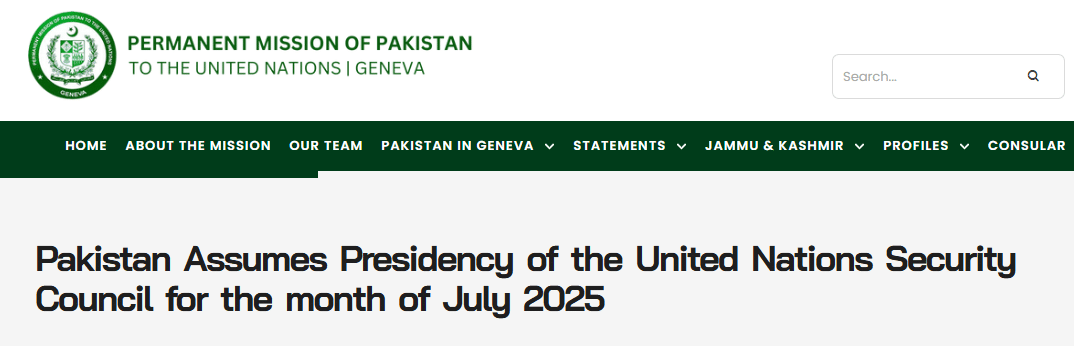
Azerbaijan supported its initiative to put the Kashmir dispute under the category of informal consultations when Pakistan became the president of the UN Security Council for July 2025. Thus, confirming that the issue of illegally occupied Jammu and Kashmir, by India, remains a valid and active subject of UN agenda—which should have been ideally resolved in light of the international law.
Support of Pakistan on Karabakh
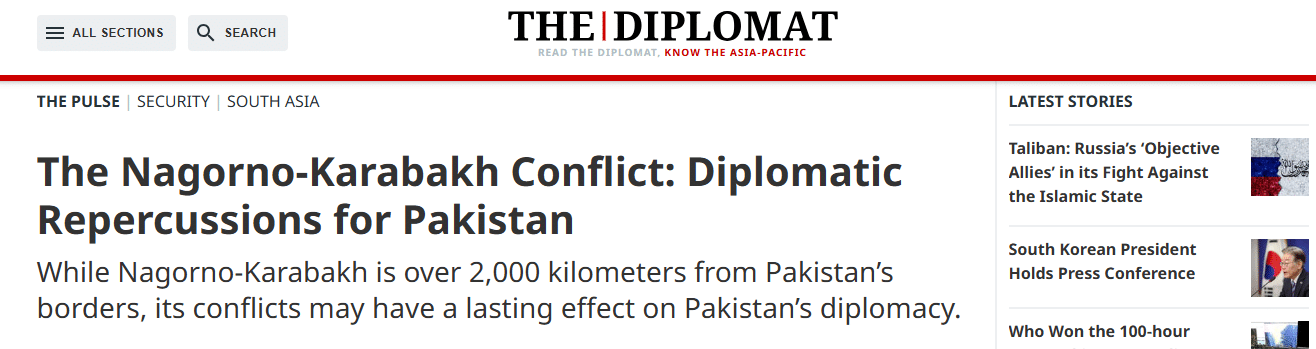
Pakistan has been steadfast in its support of the Azerbaijan claim on Nagorno-Karabakh, as it is the only nation that does not recognize Armenia. Islamabad has, since the 1990s, expressed its consistent support for the territorial integrity of Azerbaijan and condemned Armenian occupation as a violation of international law. This is a principled stand that strengthened after the Second Karabakh War in 2020, when Pakistan firmly supported the Azerbaijani military operation itself and did not accept the legitimacy of any referenda or elections to be organized in the region by the Armenians.
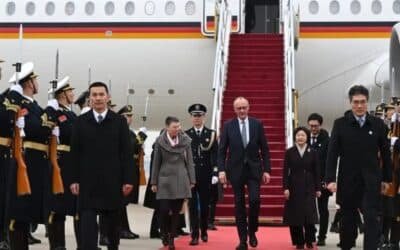
The bilateral ties between Pakistan-Azerbaijan were further strengthened in May 2025 when the prime minister Shehbaz Sharif visited the freed city of Lachin, and declared, Karabakh is Azerbaijan. His visit came at a time of a trilateral summit with Turkey, where Pakistan reasserted its support with the Azerbaijani position on Karabakh and directly alluded to its position on the dispute of Jammu and Kashmir, reiterating its stance that it has been illegally occupied by India. This summit symbolises an emerging consensus among Muslim-majority nations on the disputed regions and global support for each other in regional problems.
Spoke to my dear brother President Ilham Aliyev this afternoon and conveyed my profound gratitude to him for Azerbaijan’s resolute support to Pakistan during the recent crisis in South Asia. The overwhelming support of the people and leadership of Azerbaijan has demonstrated to…
— Shehbaz Sharif (@CMShehbaz) May 15, 2025
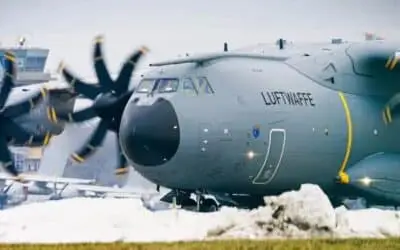
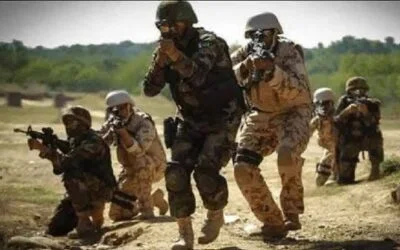
In addition to political assistance, Pakistan has a formidable military alliance with Azerbaijan. In 2024, JF-17 Block III fighter jets were sold to Azerbaijan, at a cost of 1.6 billion. Pakistan and Azerbaijan also jointly held military exercises, engaged in training each other’s military, and frequent high-level visits of defense officials back and forth. These measures depict strategic trust, but also the desire of Islamabad to ensure the security of Baku.
Strategic, Symbolic, and Multilateral Convergence:
Azerbaijan and Pakistan have made significant progress in bilateral relations, especially in the aspect of intact defense relations, common diplomatic stance, and cultural unity. A maturing strategic relationship anchored in a shared sense of security is seen in the supply of JF-17 Block III fighter jets by Pakistan, frequent joint military training, and defense exchanges.
This agreement has also been supported by the fact that both countries reciprocally extend support to each other, in various international disputes, forums and discussions. The multilateral organizations where Pakistan-Azerbaijan support each other include: the United Nations, Non-Aligned Movement (NAM), and the Economic Cooperation Organization (ECO), whereby they routinely aid one another in territorial claims and problems related to their sovereignty.
In addition to security, symbolic diplomacy has also been able to strengthen the connection at the societal level. Shared media campaigns, cultural exchange, and the renaming of places, after each other, have brought Islamabad and Baku closer, particularly on the Kashmir-Karabakh issue.
Azerbaijan has been playing a vital role in backing the Pakistani case in the Kashmir Contact Group in the Organization of Islamic Cooperation (OIC), and Pakistan has similarly defended it in the case of Karabakh. In July 2025, Azerbaijan once again expressed its intention to continue its cooperation in making the world talk about the resolution of the conflict over this unresolved status.
Profits, Peril, and Prospects
The Azerbaijan-Pakistan cooperation has turned into a strategic diplomatic relationship that focuses on the recognition of each other’s territorial conflicts, the Karabakh conflict on the part of Azerbaijan, and the Kashmir conflict on the part of Pakistan. The sentiment behind this is the tendency of Muslim-majority states to band together against perceived threats and take action to represent themselves on the biggest stages.
The bilateral ties between Azerbaijan-Pakistan have added to the reputation and presence in forums such as UN, OIC, and NAM, however, it comes with its dangers. The increasing proximity of their relations might enhance the grievances of other nations on the grounds of politicization. Besides, the alliance is subjected to external pressures by India-Armenia alliance, and potential involvement of Western states, due to their fear of growing polarization in the region. Currently, the Azerbaijan-Pakistan relationship is stronger than ever, in the future this bilateral dynamic can gain further momentum through proper diplomacy, creating the possibility of changing the power dynamics in the region and larger multipolar world.