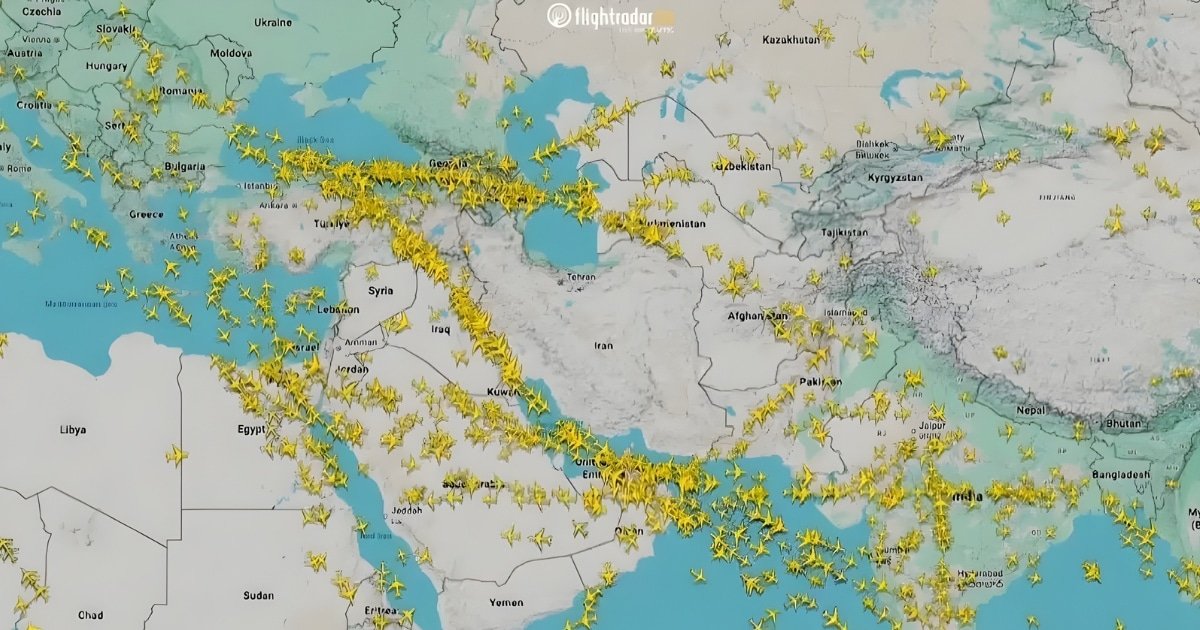





On January 15, 2026, Iran reopened its airspace following a sudden, five-hour closure that forced international airlines to cancel or reroute hundreds of flights. The shutdown, which began late Wednesday night, occurred as the Iranian regime faces its most significant anti-government protests since 1979. Concerns peaked after U.S. President Donald Trump warned of “very strong action” against Tehran, prompting fears of imminent military strikes. Although Iran’s civil aviation authority has allowed traffic to resume, major global carriers continue to bypass the region to avoid the risk of accidental misidentification by air defense systems.
🚨#BREAKING: Iran Re-opens Its Airspace to Civilian Traffic — the temporary closure that disrupted flights for several hours has now been lifted and normal civilian air operations are resuming, according to aviation tracking services and international notices.
Source: Reuters pic.twitter.com/v1viv5cgsa
— Instant Intel (@GlobeWatchX) January 15, 2026
The disruption heavily impacted Indian airlines, particularly Air India and IndiGo, which utilize Iranian corridors for routes to the U.S., Europe, and Central Asia. Air India was forced to cancel direct services from Delhi and Mumbai to New York and Newark because alternative routes were fuel-infeasible. Central Asian carriers, including Air Astana and Uzbekistan Airways, also reported major disruptions, with several flights forced to return to their departure points. While the U.S. and Britain have begun withdrawing some personnel from regional bases as a precaution, the situation remains volatile.
You May Like To Read: South Korea’s Former President Yoon Jailed Over Martial Law Crisis
The brief “blackout” of Iranian skies serves as a stark reminder of the 2020 downing of a Ukrainian passenger jet during a similar period of heightened alert. As the nationwide internet blackout in Iran enters its second week, international aviation monitors suggest that the risk to civil traffic remains “unacceptably high,” with many operators opting for southern routes over Egypt and Saudi Arabia instead.
Check out our latest video: