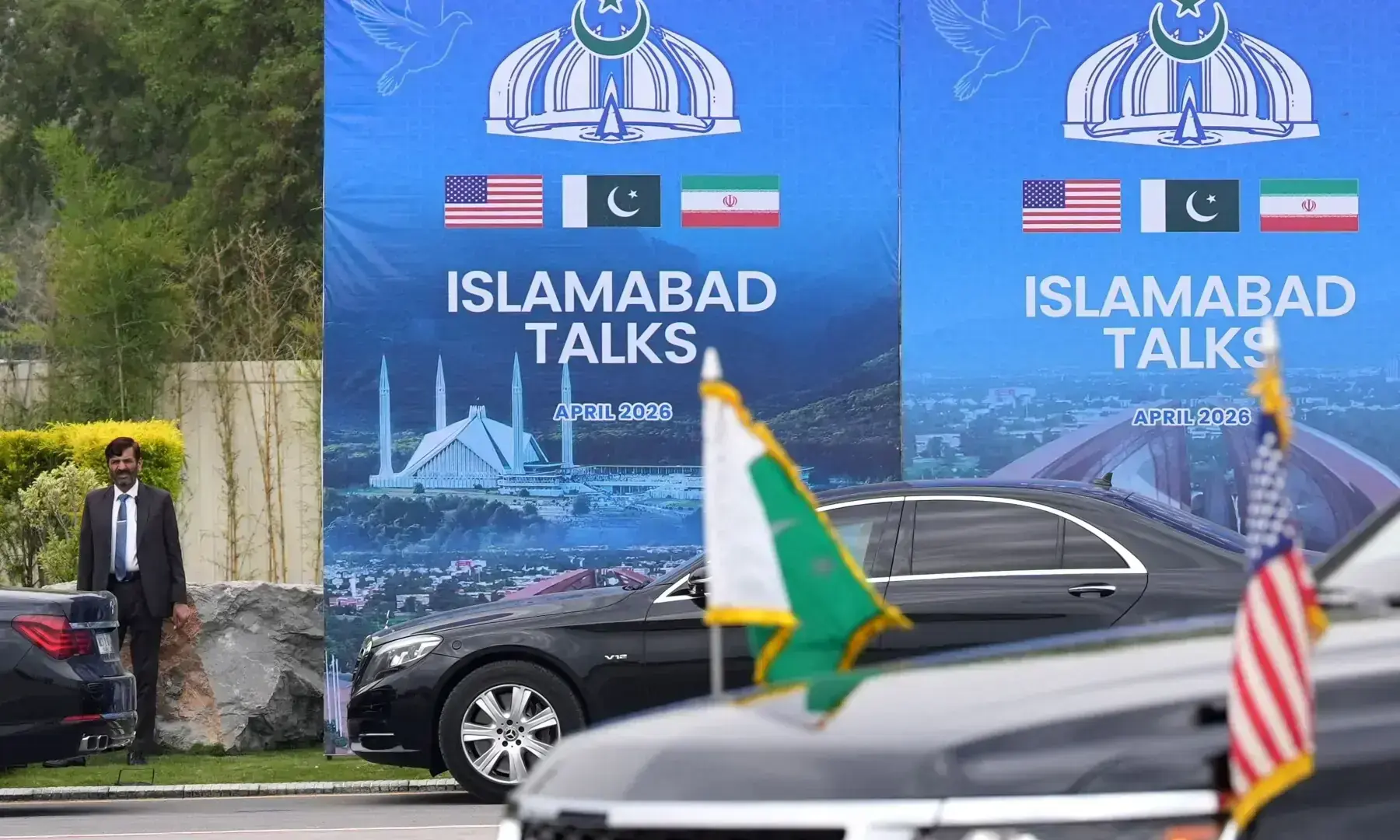



The United States and Iran held high-stakes discussions in Islamabad, which ended without a breakthrough but signalled cautious progress in a relationship marked by mistrust. The negotiations were the first direct, high-level contact between Washington and Tehran in decades, hosted under tight security and intense international scrutiny, with Pakistan acting as an unlikely but successful mediator.
JD Vance says US-Iran nuclear talks in Islamabad collapse after 21 hours with no deal, as Washington issues a ‘final and best offer’ and presses for firm guarantees.https://t.co/KFiQZlCS9t pic.twitter.com/aQhJVEeaoP
— Gulf News (@gulf_news) April 12, 2026
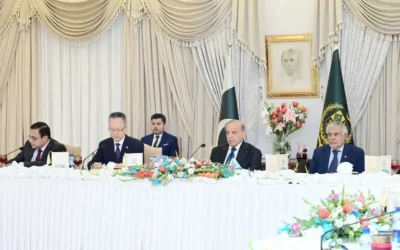
Prime Minister Shehbaz Sharif put Pakistan in a neutral position by taking advantage of its connections with regional and global powers such as the Gulf states, the United States, China and even Iran itself. The negotiations, which took place in the highly guarded Serena Hotel in Islamabad, took over 20 hours and included the top personalities such as the US Vice President JD Vance and the Iranian parliamentary speaker Mohammad Bagher Ghalibaf.
There were some instances of fumbling together, but there were deep rifts. Washington demanded long-term commitments that Iran should not develop nuclear weapons, and Tehran demanded sanctions relief, access to frozen assets and connection to wider regional ceasefires, especially to Lebanon.
🔊 US-Iran talks in Islamabad ended without a deal, throwing a fragile ceasefire into doubt. @Saad_Scrawls joins Reuters World News to break down what went wrong and what comes next. Listen here: https://t.co/Nk4DUuX98Z pic.twitter.com/2jNEroESyW
— Reuters (@Reuters) April 12, 2026
The consequence was that well-worn stalemate–but not disintegration. The US officials explained the result as firm, yet fair, and their offer was a final offer, whereas the Iranian representatives explained that the process continued, and dignity and resistance in diplomacy were emphasised.
BREAKING: Iran’s Press TV is reporting that the talks in Islamabad have ended after the US’s “excessive demands prevented a framework from being reached”.
🔴 LIVE updates: https://t.co/HO6GotjVfm pic.twitter.com/yO6O8F796W
— Al Jazeera English (@AJEnglish) April 12, 2026
In the background, there was constant communication with capitals that highlighted the risks and limitations on both sides. To Pakistan, the negotiations strengthened its diplomatic saliency. There was no consensus, but the fact that no escalation took place was a success in its own right.
In a territory of volatility, neither the breakdown nor the persistence of the dialogue can be the most significant result of it all.
- The initial face-to-face, top-level US-Iran negotiations in decades occurred in Islamabad.
- Pakistan took advantage of special geopolitical relationships to play mediator.
- Discussions took more than 20 hours, but ended without a formal settlement.
- Nuclear programme and the release of sanctions in Iran.
- The U.S. wanted nuclear guarantees on a long-term basis while Iran insisted on the unfreezing of assets.