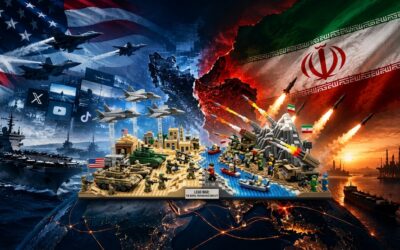





The Middle East remains on edge as a series of escalating events threaten to reignite a wider conflict, despite a fragile ceasefire brokered in April. Key developments include the formation of a new Iranian agency to manage the Strait of Hormuz, drone attacks targeting Saudi Arabia and the UAE, and increasingly bellicose rhetoric from both Iran and the United States.
Iran Establishes Persian Gulf Strait Authority
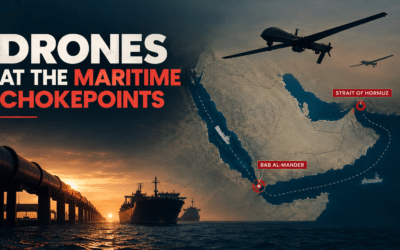
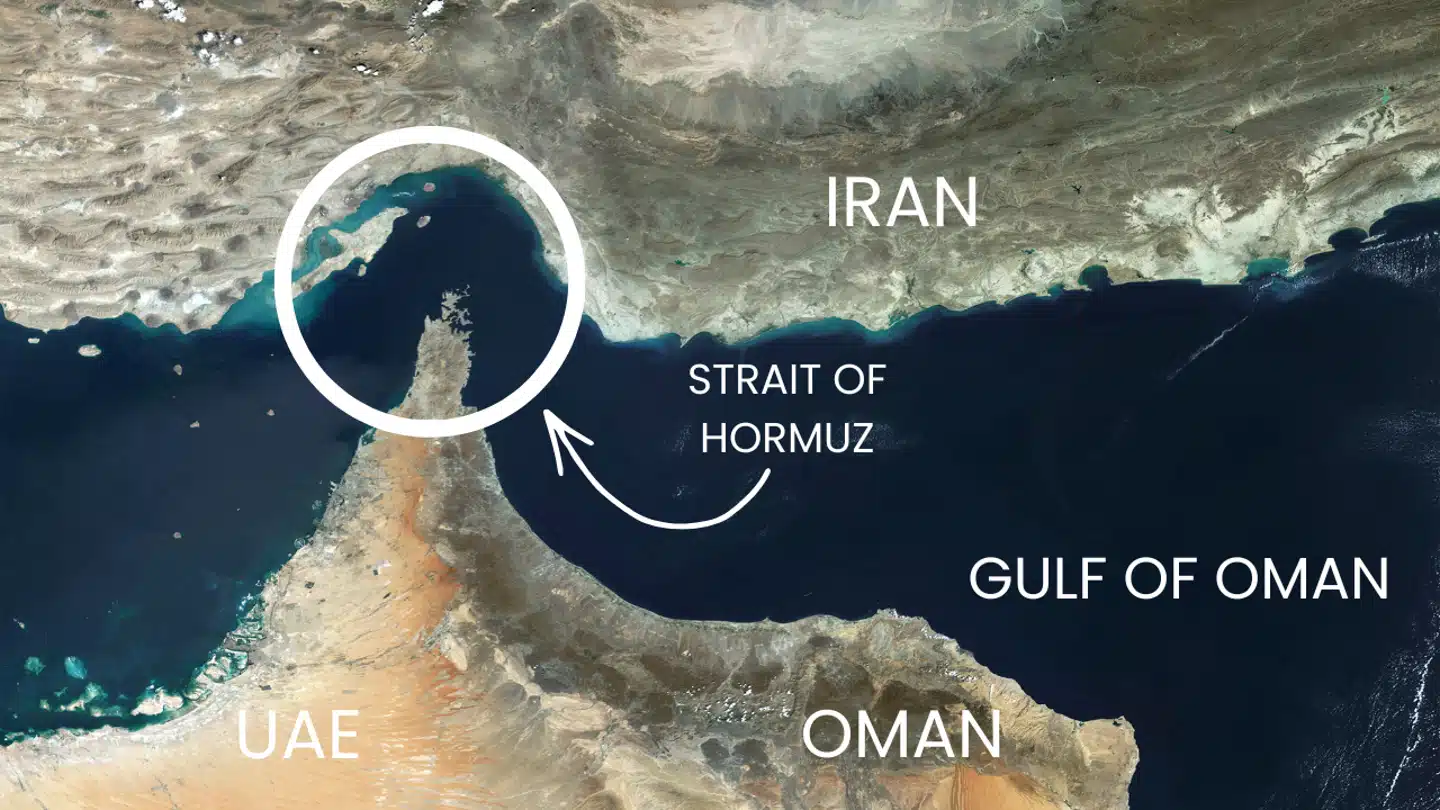
Iran’s Supreme National Security Council has announced the creation of the “Persian Gulf Strait Authority” to provide real-time updates on operations and developments in the Strait of Hormuz. This move comes amidst heightened tensions in the region and raises concerns about Iran’s control over this critical waterway. The Strait of Hormuz is a vital shipping lane for global oil supplies, and any disruption could have significant economic consequences.
بسم الله الرحمن الرحیم
حساب رسمی مدیریت آبراه خلیج فارس (#PGSA) در ایکس به منظور اطلاعرسانی فعالیتهای این سازمان آغاز به کار مینماید.
برای اطلاع از آخرین وضعیت #تنگه_هرمز ما را دنبال کنید.— PGSA | نهاد مدیریت آبراهه خلیج فارس (@PGSA_IRAN) May 18, 2026
Analysis: This new agency could be interpreted as a move to assert greater control over the Strait, potentially increasing risks for international shipping. It may also serve as a tool for information warfare, allowing Iran to shape the narrative surrounding events in the Strait.
Drone Attacks Condemned
Kuwait and Qatar have strongly condemned drone attacks targeting Saudi Arabia, originating from Iraqi airspace. Kuwait cited a violation of UN Security Council Resolution 2817, while Qatar labeled the incident a “rejected aggression.” Oman and the United Nations have also condemned a drone attack on the UAE’s Barakah Nuclear Energy Plant. UN Secretary-General Antonio Guterres expressed deep alarm and emphasized that attacks on nuclear installations are unacceptable and a violation of international law.
Analysis: The drone attacks highlight the vulnerability of critical infrastructure in the region and underscore the potential for escalation. The international condemnation reflects a growing concern over the destabilizing impact of these attacks.
US-Iran Tensions Remain High
Despite ongoing mediation efforts by Pakistan, tensions between the US and Iran remain high. An Iranian military advisor warned that the Gulf of Oman could become a “graveyard” for US ships if the US continues its naval blockade. Meanwhile, former US congresswoman Marjorie Taylor Greene cautioned against sending US troops to Iran, warning of a “political revolution” in America.
.@antonioguterres is deeply alarmed by reports that drone strikes set fire to an electrical generator near Barakah Nuclear Power Plant, UAE.
Attacks to nuclear installations are totally unacceptable, a violation of international law & must be condemned: https://t.co/Kj7tviqWfL
— UN Spokesperson (@UN_Spokesperson) May 18, 2026
Analysis: The continued war of words suggests that a return to conflict is still a distinct possibility. The US naval blockade is a major point of contention for Iran, and any miscalculation could trigger a response. The political climate in the US also adds another layer of complexity to the situation.
Regional Implications
The escalating tensions are having a ripple effect across the region. Israel is reportedly on high alert and preparing to join any new US strikes on Iran. Reports also indicate that Israel built two secret military bases in Iraq to support operations against Iran, although Iraqi officials have dismissed these claims. Iraq has asserted that it will not allow its territory to be used as a launchpad for attacks against other countries.
If you send in U.S. military troops into Iran, there is going to be a political revolution in America.
WE. ARE. DONE.
We said no more foreign wars and we meant it.
The coalition will unite and be unstoppable. I’ll make sure of it.
End this war. It’s stupid.
— Former Congresswoman Marjorie Taylor Greene🇺🇸 (@FmrRepMTG) May 17, 2026
Analysis: The involvement of multiple actors in the conflict creates a complex and unpredictable environment. Iraq’s precarious position, caught between Iran and its adversaries, highlights the challenges of maintaining stability in the region.
Oil Prices Surge
The heightened tensions have sent oil prices soaring to a two-week high. Brent crude futures climbed to $111.29 a barrel, while US West Texas Intermediate crude reached $107.73 a barrel. Concerns over potential disruptions to oil supplies in the Strait of Hormuz are driving the price increases.
Analysis: The surge in oil prices underscores the economic impact of the conflict. A prolonged period of instability could have significant consequences for the global economy.
Conclusion
The Middle East remains a volatile region, with a multitude of factors contributing to the ongoing tensions. The formation of the Persian Gulf Strait Authority, drone attacks, and escalating rhetoric all point to the potential for further conflict. International efforts to de-escalate the situation are crucial to prevent a wider war.