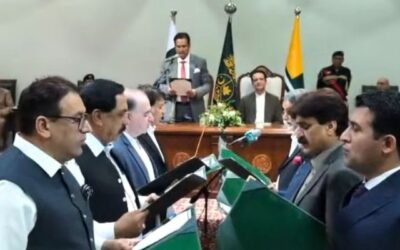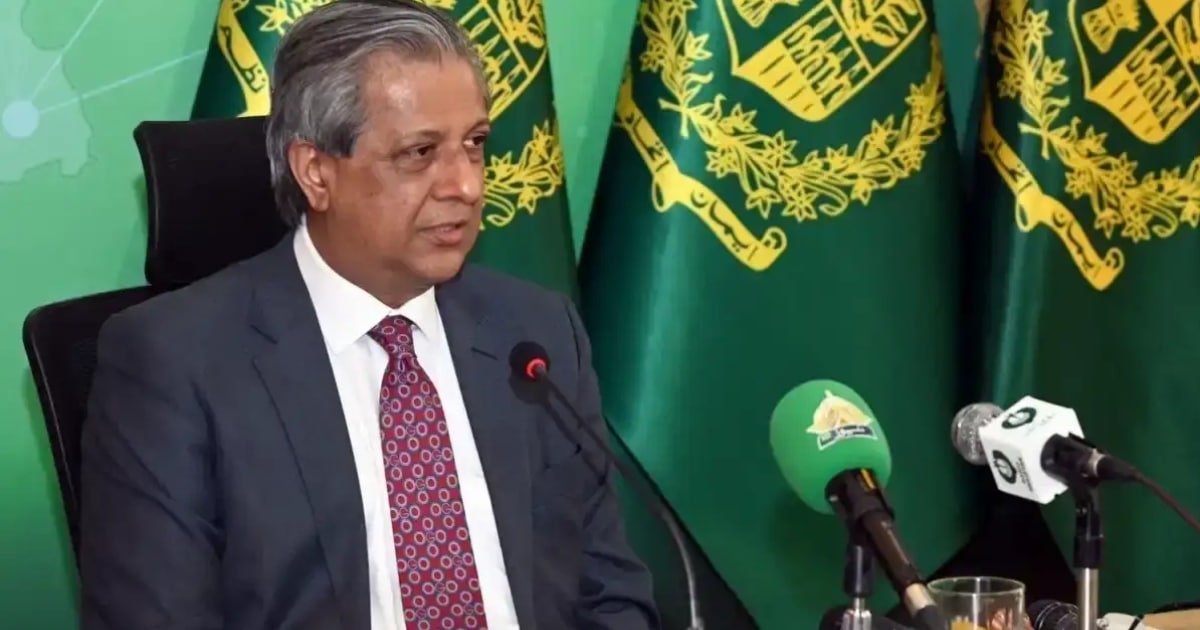





In a high-level joint press conference held on Tuesday, Federal Law Minister Azam Nazeer Tarar, alongside Information Minister Attaullah Tarar and Minister of State for Interior Talal Chaudhry, called on the nation’s media and social media users to exercise “extreme caution” when discussing the escalating conflict in the Middle East.
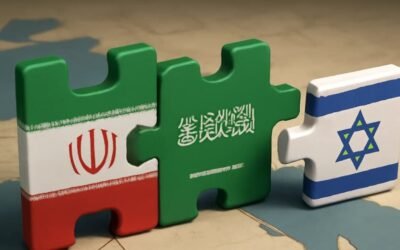
The advisory comes as the ongoing US-Israel-Iran war creates a volatile diplomatic environment, with the Law Minister revealing that recent televised and digital analyses have caused significant “unease” among Pakistan’s friendly countries.
Debating whether Pakistan should side with Iran, Saudi Arabia or the UAE crosses a “red line,” the minister warns, saying such rhetoric for vlog views can harm ties with friendly Islamic states and will invite legal action, even against Pakistanis abroad.@NuktaPakistan pic.twitter.com/ll8Gp3MFA3
— Ali Hamza (@alihamzaisb) March 10, 2026
Diplomatic Sensitivities and “Friendly Relations”
Minister Tarar emphasized that while Pakistan remains a responsible nuclear state with a clear identity, the current regional friction requires a unified national narrative that aligns with official foreign policy.
-
Unease on Diplomatic Fronts: The Minister disclosed that Pakistan has been formally questioned by diplomatic missions as to whether certain aggressive media analyses represented the state’s official stance or merely individual opinions.
-
Retaliatory Context: The briefing noted the sensitivity of Iran’s retaliatory strikes on neighboring countries housing U.S. bases, urging commentators to avoid rhetoric that could damage Pakistan’s bilateral ties with these regional partners.
The Constitutional Boundary: Article 19
The Law Minister provided a categorical reminder of the legal framework governing free speech in Pakistan, specifically citing Article 19 of the Constitution.
-
Reasonable Restrictions: While freedom of expression is a fundamental right, Tarar read the Article aloud to highlight that it is subject to “reasonable restrictions” in the interest of the glory of Islam, the integrity, security, and defense of Pakistan, and—most crucially in the current context—friendly relations with foreign states.
-
National Interest: “We must not abandon the limits laid out in the Constitution,” Tarar stated, urging journalists and influencers to prioritize the state’s strategic interests over sensationalism.
Pakistan’s Official Stance: The Diplomatic Path
Reiterating Islamabad’s position, the ministers confirmed that Pakistan continues to advocate for a diplomatic solution to the Middle East crisis.
-
Role as a Nuclear State: The government underscored that as a pivotal regional player, Pakistan’s commentary is monitored globally, and any deviation from the state’s neutral, peace-seeking stance could have far-reaching security implications.
-
Internal Vigilance: The Minister of State for Interior, Talal Chaudhry, added that the government is closely monitoring narratives that seek to incite internal instability by misrepresenting Pakistan’s foreign policy.
You May Like To Read: IMF Flags Breach of Anti-Corruption Framework Over Efforts to Hide Parliamentarians’ Assets
Check out our latest video: