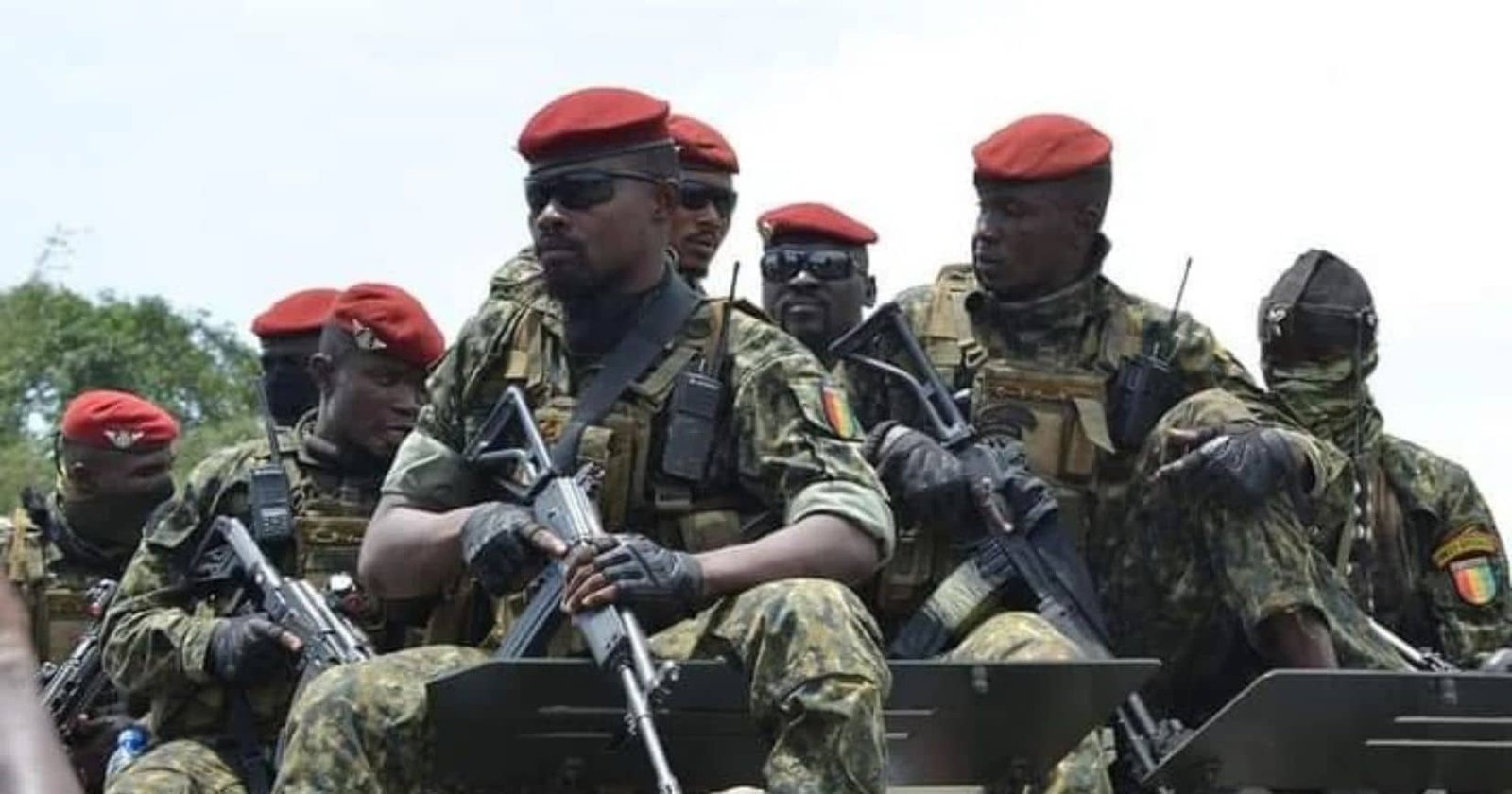



For decades after the Cold War, Africa was seen as a continent slowly turning the page on military rule. The 1990s and early 2000s witnessed a wave of democratization, constitutional reforms, and the rise of regional institutions committed to civilian governance. Yet in recent years, Africa has witnessed a striking reversal: a resurgence of coups d’état, often greeted not with outright condemnation, but with popular approval or international ambivalence.
From Mali (2020, 2021) to Guinea (2021), Burkina Faso (2022), Niger (2023), and most recently Gabon (2023), the frequency of takeovers has sparked concern that military interventions are once again becoming normalized as a legitimate form of political change. This trend carries profound implications — not just for Africa’s democratic future, but also for global governance, security, and geopolitics.
Why Coups Are Back
The recurrence of coups is not random. Several structural drivers explain why militaries are reasserting themselves across Africa.
- Governance Failures and Popular Discontent
Many African states face persistent governance crises: corruption, unemployment, weak service delivery, and political elites perceived as out of touch. Where elections are viewed as manipulated or constitutions amended to extend presidential terms, militaries exploit public frustration to justify intervention. - Security Vacuums
In countries like Mali, Burkina Faso, and Niger, the rise of jihadist insurgencies and cross-border militancy has undermined civilian governments. Militaries position themselves as the only institutions capable of restoring order, leveraging insecurity as a rationale for seizing power. - Weak Regional Enforcement
The African Union (AU) and Economic Community of West African States (ECOWAS) have rules against unconstitutional changes of government. Yet enforcement has been inconsistent, often softened by fears of escalation or lack of leverage. Suspensions and sanctions rarely reverse coups, emboldening others. - Shifting Global Context
During the Cold War, coups were often proxies for superpower rivalry. Post-1990, Western donors emphasized democracy as a condition for aid. Today, however, geopolitical competition — especially with China, Russia, and Gulf states offering alternative partnerships — has weakened external pressure for democratic continuity.
The Legitimacy Question
What is striking is not merely the occurrence of coups, but their growing social legitimacy. In Burkina Faso, crowds cheered soldiers in the streets. In Niger, demonstrators waved Russian flags, expressing relief at the end of what they perceived as a corrupt, externally manipulated civilian order.
This reflects a deeper crisis of legitimacy: where democratic institutions are hollow, citizens often view the military not as usurpers, but as corrective actors. In the short term, this boosts the acceptance of juntas. In the long term, however, it undermines the very notion of constitutional transfer of power, blurring the line between civilian and military authority.
You May Like To Read: The Return of Spheres of Influence: Is the 21st Century Looking More Like the 19th?
Global Repercussions
1. A Blow to the “Democracy Promotion” Agenda
Western powers, particularly the United States and the European Union, have invested heavily in promoting governance and electoral systems across Africa. The coup resurgence highlights the fragility of these investments and signals waning Western influence.
2. A Breeding Ground for New Alliances
Coup-born governments often seek new patrons. Russia, through the Wagner Group and subsequent mercenary outfits, has positioned itself as an alternative security partner, providing military assistance in exchange for access to resources. China, while less directly involved, benefits from weakened Western leverage, expanding its economic footprint without insisting on democratic reforms.
3. Implications for Global Security
Unstable transitions risk worsening conflict. Where juntas struggle to govern effectively, insurgencies can flourish. Moreover, coups destabilize regional cooperation on counter-terrorism, migration, and organized crime — all of which have global spillovers.
Regionalism Under Strain
The AU once championed “zero tolerance” for coups. Yet the sheer number of recent takeovers has stretched credibility. ECOWAS’s threat of military intervention in Niger in 2023 failed to materialize, exposing the limits of collective enforcement. Instead, sanctions often harm ordinary citizens more than ruling elites, further alienating populations from regional institutions.
This erosion of credibility risks entrenching a cycle: each successful coup that goes unpunished lowers the deterrence threshold for the next.
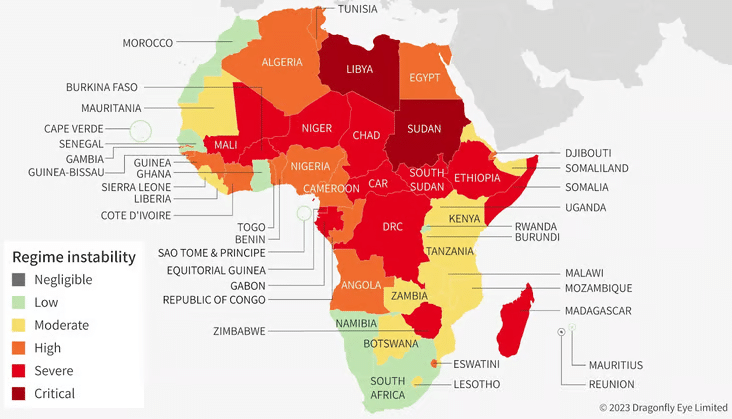
Coups in the Age of Multipolarity
The normalization of coups cannot be separated from the emerging multipolar world order. Where once Western pressure could isolate juntas, today alternative partnerships cushion them. Gulf states provide financial aid, Russia offers mercenary support, and China supplies investment. This diversification of external backers undermines the leverage of traditional actors like France, whose influence in West Africa has visibly eroded.
At the same time, coups highlight the contradictions in global governance. Western governments condemn juntas in Africa while tolerating military-dominated regimes elsewhere when aligned with strategic interests. This selective approach undermines the universality of “rules-based order” narratives and feeds perceptions of double standards.
The Global Meaning of Africa’s Coups
The resurgence of coups in Africa matters globally for three reasons:
- Normative Precedent: If coups continue to be tolerated, they may embolden militaries elsewhere in the world where democratic institutions are fragile.
- Geostrategic Realignment: African states, home to critical minerals, strategic trade routes, and vast markets, are recalibrating partnerships in ways that reshape the global balance of power.
- Challenge to Multilateralism: The failure of the AU, ECOWAS, and UN to reverse coups illustrates the weakening of multilateral mechanisms, part of a broader decline in global governance cohesion.
A Return to Uncertainty
The wave of coups sweeping Africa is more than a regional phenomenon; it is a symptom of global transformation. They reflect not only domestic failures but also the erosion of external pressures that once upheld democratic norms.
Whether this marks a temporary cycle or a deeper structural shift depends on two factors: the ability of African institutions to restore legitimacy through reforms, and the willingness of global powers to move beyond selective condemnation toward consistent support for accountable governance.
For now, however, military takeovers are no longer shocking aberrations. They are becoming a normalized instrument of political change — a development that signals uncertainty not just for Africa, but for the global order itself.
You May Like To Read: Space Law and Crime: What Happens When the Final Frontier Becomes Militarized and Commercialized?