


The 21st century was once heralded as the age of globalization, interdependence, and the end of zero-sum geopolitics. Yet, a different reality is emerging: one that looks strikingly similar to the 19th-century world of spheres of influence, where great powers carve out zones of dominance and smaller states navigate precarious sovereignty. From Eastern Europe to the South China Sea, from Africa to Central Asia, multipolar blocs are reconfiguring world order—raising the question of whether we are witnessing a neo-imperial return to great-power politics.
The 19th-Century Parallel
In the 19th century, empires such as Britain, Russia, France, and later Germany delineated zones of influence, often codified through treaties or understood through power projection. Smaller states’ sovereignty was nominal, conditioned by their ability—or inability—to resist. The “Great Game” between Britain and Russia in Central Asia, the division of Africa at the Berlin Conference (1884–85), and the U.S. Monroe Doctrine in the Western Hemisphere all reflected a world where might defined right.
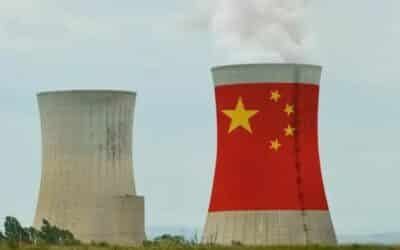
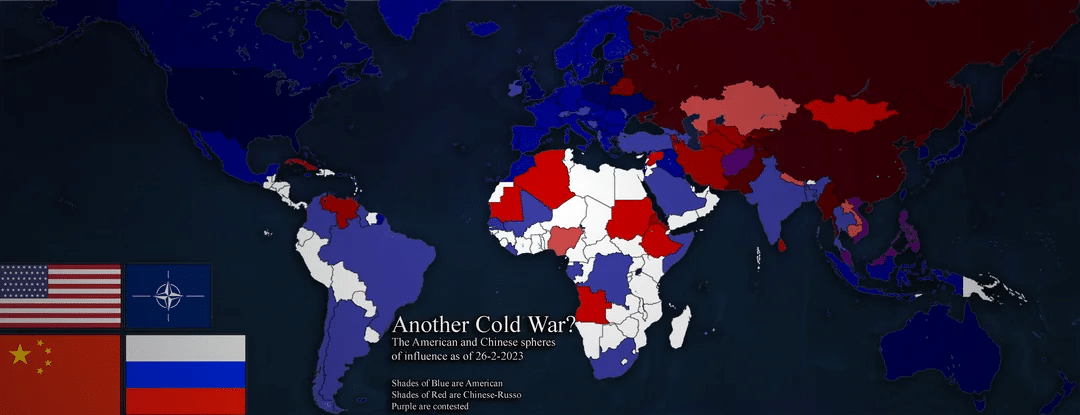
Fast-forward to the present, and striking echoes emerge. NATO’s eastern expansion, Russia’s insistence on a “near abroad,” China’s Belt and Road Initiative (BRI), and U.S. Indo-Pacific alliances all resemble spheres of influence logic: regions where one power sets the rules, offers protection, or coerces compliance.
Multipolarity or Fragmentation?
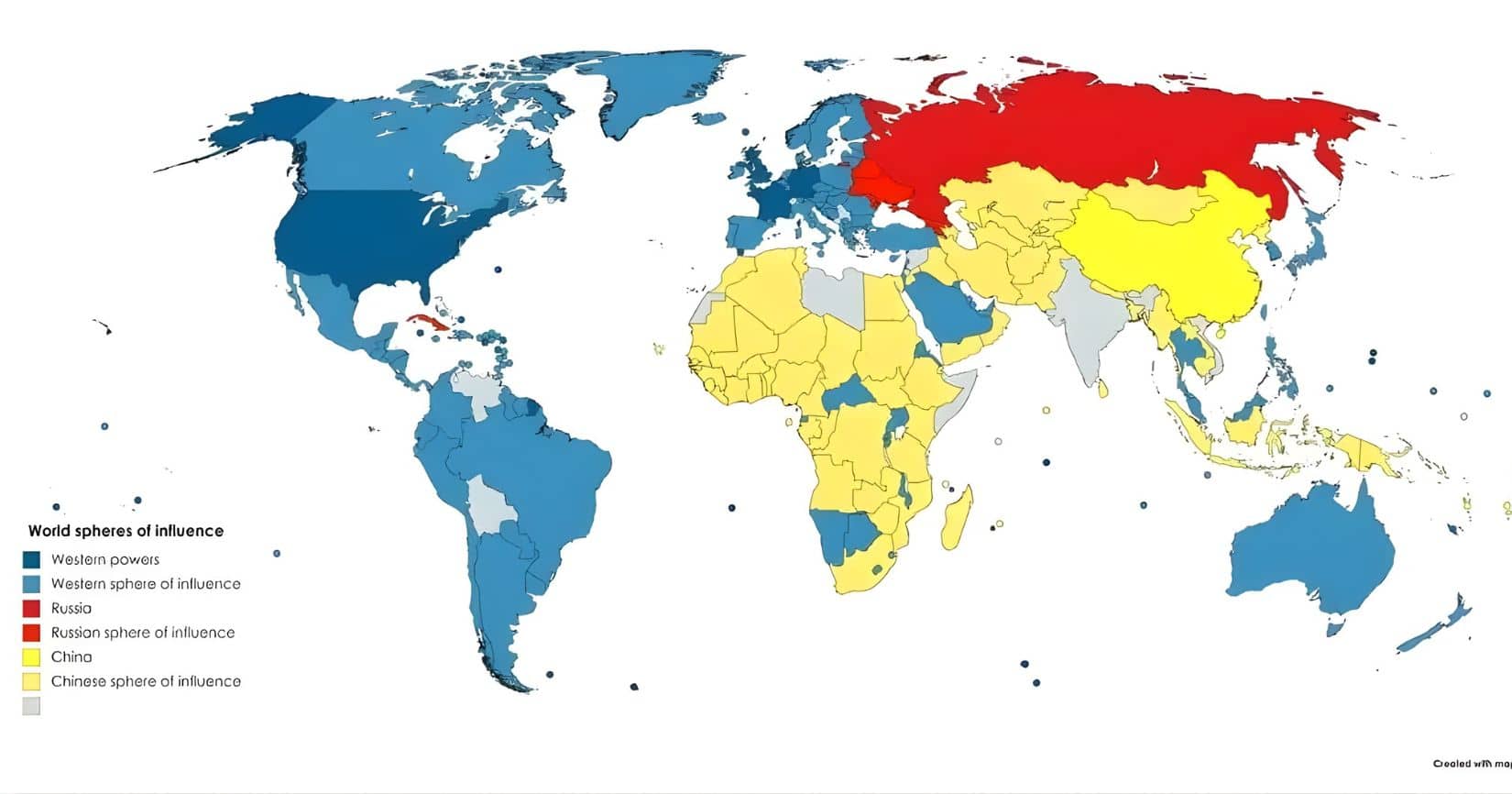
The post-Cold War illusion of unipolarity—where American primacy and liberal institutions reigned supreme—has fractured. Today, three core blocs dominate the geopolitical map:
- The U.S.-led West, organized around NATO, the EU, AUKUS, and dollar hegemony.
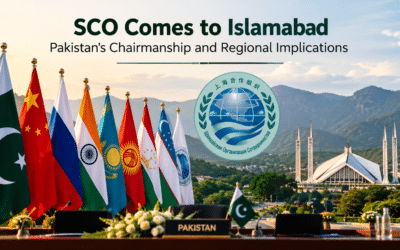
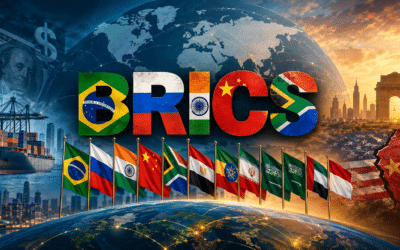
- The Sino-Russian axis, framed through partnerships like the Shanghai Cooperation Organization (SCO), BRICS+, and energy corridors.
- The “swing states”—India, Turkey, Saudi Arabia, Brazil, and others—balancing between blocs to maximize autonomy.
This multipolar order does not resemble the collective security aspirations of the UN Charter. Instead, it appears as a patchwork of spheres where loyalty is transactional, and sovereignty is conditional. Smaller states often align not out of ideological conviction but necessity, hedging between competing powers.
Sovereignty Under Pressure
The revival of spheres of influence challenges the modern notion of absolute sovereignty. Ukraine’s war is the most glaring example: Russia’s invasion was justified in Moscow’s narrative as resisting NATO encroachment into its “historic sphere.” Similarly, China’s claims over Taiwan and the South China Sea are rooted in historical-cultural arguments, reinforced by military buildup.
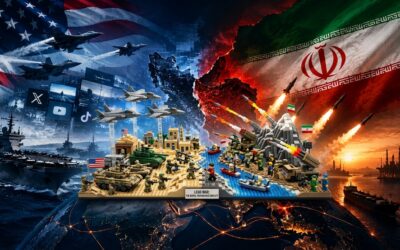
Elsewhere, Africa is becoming a contested ground between Western influence, Chinese investment, and the re-emergence of Russian Wagner-style security presence. In the Middle East, U.S. alliances, Iranian networks, and Gulf state assertiveness form overlapping zones of influence. For many smaller nations, the ability to chart an independent course is narrowing.
You May Like To Read: The Silent Frontline: Africa’s Emerging Role in the New Cold War Between the U.S., China, and Russia
Economic Blocs as Geopolitical Instruments
Unlike the 19th century, today’s spheres are not defined solely by military might. Economic blocs are equally decisive. The U.S. uses sanctions, financial networks, and export controls to maintain leverage. China deploys infrastructure, debt diplomacy, and technology exports. Russia wields energy pipelines as geopolitical tools.
BRICS expansion, the use of alternative payment systems like CIPS, and regional trade pacts such as RCEP suggest a shift toward economic sovereignty under bloc patronage. Just as 19th-century colonies were locked into imperial trade networks, modern states risk being locked into technological and financial ecosystems aligned with one power or another.
The Dangers of Historical Echoes
The analogy to the 19th century should not be romanticized. That era produced devastating wars, exploitative colonialism, and volatile alliances. Similarly, today’s spheres of influence risk heightening tensions rather than stabilizing them.
Consider the “new Great Games”:
- In Central Asia, Russia, China, and Turkey compete for pipelines, bases, and cultural sway.
- In Africa, multiple powers fund rival factions while seeking critical minerals.
- In the Indo-Pacific, U.S.-China competition risks escalating into open conflict over Taiwan or contested waters.
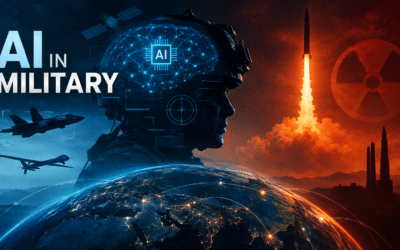
The absence of strong global governance makes the return of such contests particularly dangerous. Unlike the 19th century, nuclear weapons and digital warfare add catastrophic risks to miscalculation.
A Neo-Imperial World?
The global order is undeniably shifting away from universal rules toward bloc-based politics. For weaker states, this means sovereignty is once again tethered to geography, alliances, and great-power bargaining. For stronger states, the temptation to enforce dominance within their perceived spheres is intensifying.
The 21st century may not replicate the colonial empires of the 19th, but its power structures are increasingly shaped by zones of influence, rather than universal principles. The question remains whether international society can adapt—through diplomacy, law, and multilateral reform—or whether the world is sleepwalking back into an era where the map is once again redrawn by great powers.
If history is indeed rhyming, the world should be wary: the last time spheres of influence dominated global politics, they led not to stability, but to global wars of unprecedented destruction.
You May Like To Read: US-India Trade Deal Prospect Hinges on Energy Diplomacy Amid Russian Oil Standoff