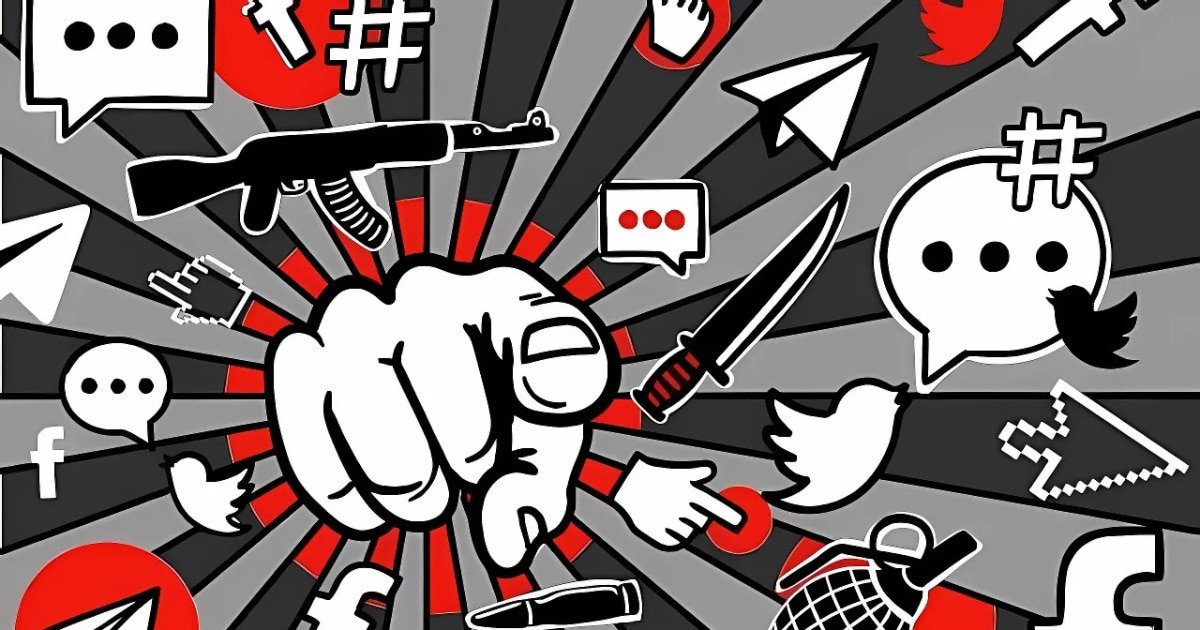
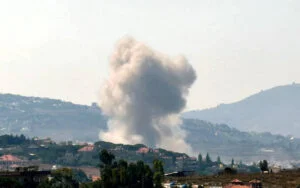
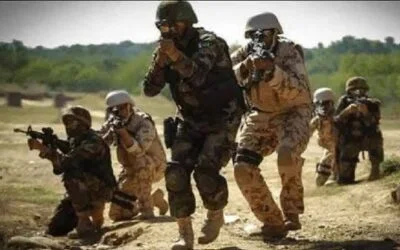


Fitna-al-Khawarij (FAK) and Islamic State Khorasan Province (ISKP) have transformed their recruitment methods in recent years. What once relied on cassettes, in‑person preaching, and printed pamphlets now centers on sophisticated social media, encrypted messaging, and even gaming platforms. Even FAK’s own media apparatus founded in the early 2000s, has evolved into a full‑fledged multimedia operation producing Pashto video statements, Urdu translations, podcasts, and digital magazines. Since the Taliban’s takeover in Afghanistan in 2021, FAK has boosted production volume and quality dramatically.

Source: Khyber Chronicles
ISKP has similarly expanded its digital footprint. Following global IS media models, it churns out high‑production battlefield footage, multilingual publications (English, Arabic, Pashto, Dari) and messages glorifying global jihad. This messaging is targeted not just at local youth, but at regional sympathisers and diaspora audiences across Pakistan and Central Asia.
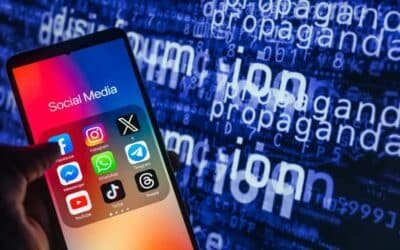
Both organizations rely on a redundant distribution model: videos, magazines, and statements are posted on mainstream platforms (X, Facebook, YouTube) and encrypted services (Telegram, WhatsApp, Element, RocketChat) and also backed up on cloud drives and dark‑web forums. The use of VPNs, burner devices, and encrypted channels makes takedown efforts less effective.
More disturbingly, youth, even adolescents, are reportedly groomed via online multiplayer games (e.g. PUBG). These spaces offer real‑time voice/text chat and peer networks that intelligence agencies find difficult to monitor. Initial contact in gaming lobbies is often moved to encrypted apps for more intense indoctrination or tasking.
Psychological, Socio‑Economic, and Educational Vulnerabilities
Vulnerable Pakistani youth are often those experiencing unemployment, political disenfranchisement, or weak educational access, particularly in rural or peripheral regions like Khyber Pakhtunkhwa or Balochistan. The FAK narrative frequently frames attacks as righteous retaliation for state aggression against Pashtun populations; ideological justification is offered by misinterpreted religious scripture posted online, mixed with tribal grievance and anti‑state rhetoric.
You May Like To Read: Old Media, New Threats: The Disinformation Dilemma
Young people with low digital literacy and limited critical thinking skills are particularly susceptible to false propaganda and misinformation, especially via WhatsApp groups or Facebook pages that circulate fabricated atrocity videos or conspiracy stories. Research in Pakistan has shown that misinformation spreads most rapidly among low‑income, low‑literacy populations via emotionally charged, polarized fake news designed to appear credible.
Effectiveness of Propaganda, and Reach
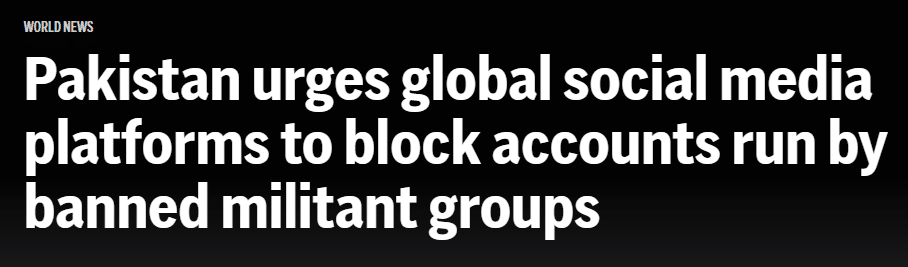
Studies on global terrorism note that nearly 90% of organised terrorist communication on the internet occurs through social media, thanks to its accessibility, speed, direct engagement, and algorithmic amplification. Pakistan’s counter‑terror authorities identifyied nearly 481 social media accounts associated with FAK and FAH that promote violence and jihadist narratives across platforms like X, WhatsApp, Instagram and Telegram.
Source: AP News
Online sentiment observed in public forums suggests growing acceptance or sympathy for such groups among youth, sharing graphic videos or openly endorsing militant actions, even with minimal fear of repercussions. As a user observes:
“I’ve never seen such open support for militant groups like FAK and FAH… sharing graphic and disturbing videos without any fear.”
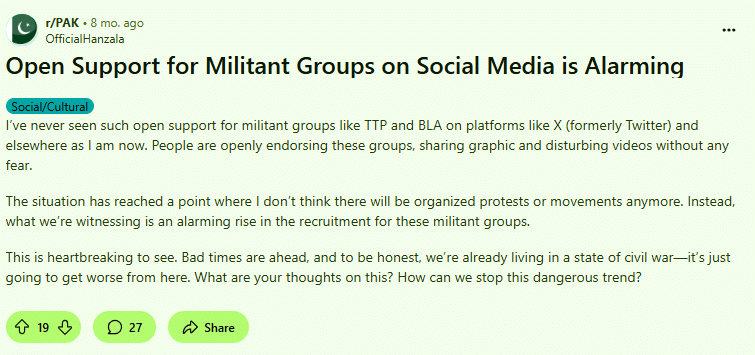
Source: Reddit
These signals suggest not just propaganda reach, but also ideological infiltration into social echo chambers, especially among disaffected or digitally isolated youth.
Existing Counter‑Narrative, and Prevention Strategies
Pakistan has adopted several initiatives to push counter‑narratives:
- Paigham‑i‑Pakistan, a fatwa issued by 1,800 religious scholars declaring terrorism haram (forbidden in Islam), seeks to undermine religious legitimacy claimed by militant groups.
- Civil society organisations like Aware Girls conduct peer‑based educational workshops to inoculate youth, especially girls, in rural areas against extremist messages while promoting political participation and youth empowerment.
- The Express Tribune (March 2025) emphasised the need for a multifaceted national strategy including cyber surveillance (via PECA), partnerships with tech firms, counter‑narratives, and community engagement to disrupt online recruitment and radicalization.
However, implementation gaps remain: generalized awareness campaigns often fail among low‑digitally literate youth unless they include personalised feedback (as evidenced in Pakistan’s randomized misinformation study, where personalized education yielded modest improvements).
You May Like To Read: Pakistani Diaspora in Digital Battles: Victims, and Amplifiers
Gaps and Recommendations for Policy and Practice
To effectively counter youth radicalization in Pakistan, interventions must tackle both root causes and emerging digital threats. Digital literacy education is essential, especially in underserved areas, to help youth critically assess online content, question groupthink, and resist misinformation. Developing localized counter-narratives in languages like Pashto, Urdu, and Balochi, amplified by trusted voices such as religious leaders and survivors, can directly challenge extremist ideologies.
The government’s National Intelligence Fusion and Threat Assessment Centre (NIFTAC), launched in May 2025, should lead targeted monitoring and platform takedowns, working with tech firms to disrupt online militant networks. With extremists using gaming platforms for recruitment, collaborating with game developers to detect risky patterns and intervene early is also vital.
Finally, community and parental engagement, along with youth programs and skills training, can reduce alienation and build resilience against radicalization.
Conclusion
The radicalization of Pakistani youth in the digital age is a complex, evolving phenomenon. FAK, ISKP, and leveraged proxies exploit social grievances, identity crises, and the anonymity of online spaces to recruit and indoctrinate. While Pakistan has made strides, through religious edicts, NGOs, legislation, and new intelligence coordination, digital terrorists continue migrating across platforms, using gaming and encrypted networks to remain effective.
Reducing youth susceptibility requires coordinated long‑term investment in education, digital skills, economic opportunity, narrative resilience and community engagement. The NIFTAC offers a promising organizational hub for coordination, but success will depend on linking national intelligence operations with grassroots youth development and tailored counter‑narrative strategies.
Only a holistic approach, spanning counter‑terrorism, sociology, policy and education, can effectively blunt the appeal of extremist propaganda and protect vulnerable youth from digital radicalization.