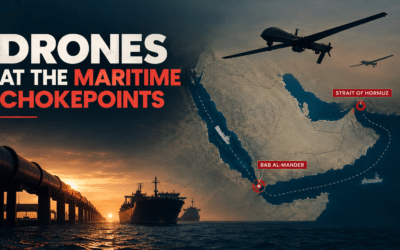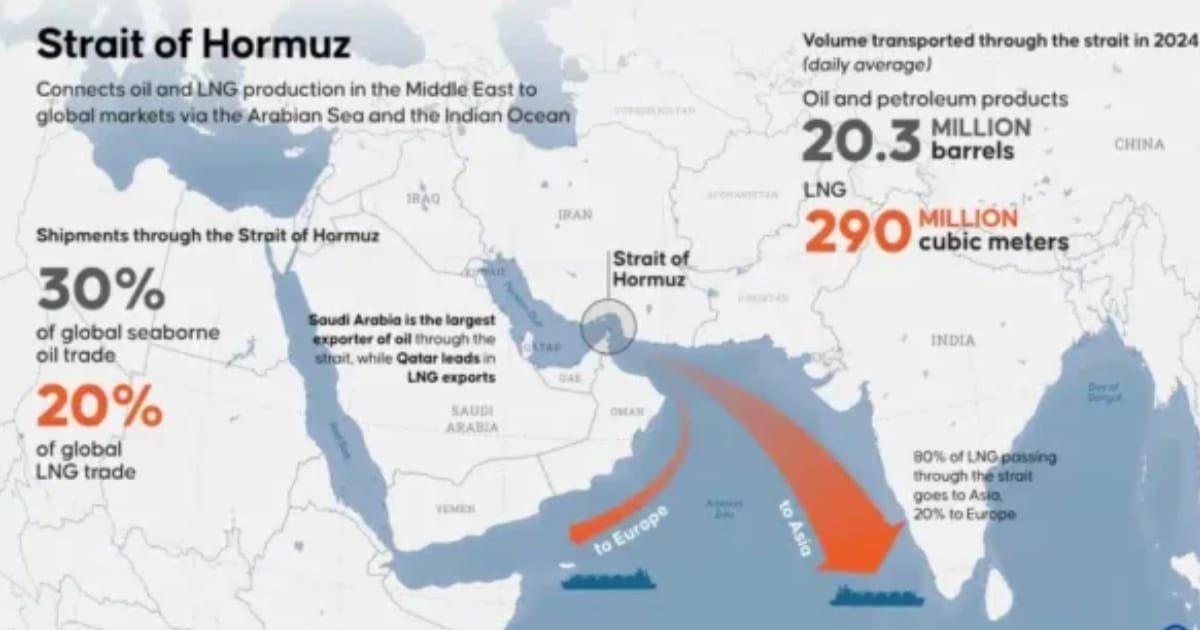





Addressing a high-level United Nations Security Council (UNSC) debate, Pakistan issued a sobering warning that the continued closure of the Strait of Hormuz could trigger a global economic crisis. Permanent Representative Asim Iftikhar Ahmad reaffirmed Islamabad’s role as a primary mediator in the U.S.-Iran standoff, emphasizing that the disruption of the world’s most vital energy waterway disproportionately threatens the growth and stability of developing nations. While the “Islamabad Dialogue” has shifted to a remote format, Pakistan continues to spearhead a diplomatic coalition—supported by China, Saudi Arabia, Türkiye, and Egypt—to secure an enduring resolution and restore the rules-based maritime order.
Statement by Ambassador Asim Iftikhar Ahmad,
Permanent Representative of Pakistan to the UN,
At the High-Level Open Debate of UN Security Council on “The Safety and Protection of Waterways in the Maritime Domain”
(27 April 2026)
******Mr. President,
I wish to congratulate… pic.twitter.com/Nci3SxLN5T
— Permanent Mission of Pakistan to the UN (@PakistanUN_NY) April 27, 2026
Highlights
- Continued maritime disruption will lead to severe “second and third order” impacts on global inflation, growth, and balance of payments, warned Pakistan
- Pakistan is coordinating de-escalation efforts with a core group including China, Saudi Arabia, Türkiye, and Egypt.
- The closure of the Strait is being used as a test for the “resilience of global governance” and strategic stability.
- Pakistan called for a return to the UN Convention on the Law of the Sea as the cornerstone of international maritime peace.
- Ambassador Ahmad pledged that Pakistan will “resolutely undertake all possible measures” to bridge the gap between Washington and Tehran.
The Economic Ripple Effect
Pakistan’s address focused heavily on the interconnected nature of modern trade. Ambassador Ahmad noted that the “routine traffic at sea” is not just a commercial matter but a pillar of international security.
Developing countries are at the highest risk of food and energy insecurity if the maritime blockade persists. The envoy lamented that established international maritime norms are being “set aside,” creating an untenable situation for global shipping.
The global governance order is coming under increasing strain with wide-ranging consequences. Even international waterways have not been able to escape these impacts. The rules and norms that we had collectively and painstakingly put in place to precisely avoid such contestations… pic.twitter.com/desutZt28p
— Permanent Mission of Pakistan to the UN (@PakistanUN_NY) April 27, 2026
Pakistan’s Role as Interlocutor
Diplomats at the UN noted that Islamabad has successfully leveraged its strategic partnerships to keep the “diplomatic track” alive. By facilitating recent high-level engagements—including the exchange of “written messages” between the warring parties—Pakistan has positioned itself as the neutral ground necessary to prevent a broader regional war. The envoy’s call for “collective action” underscores Islamabad’s strategy of building a broad international consensus to pressure both sides back to the negotiating table.
You May Like To Read: Pakistan Army Conducts Training Launch of Indigenously Developed Fateh-II Missile System
Check out our latest video: