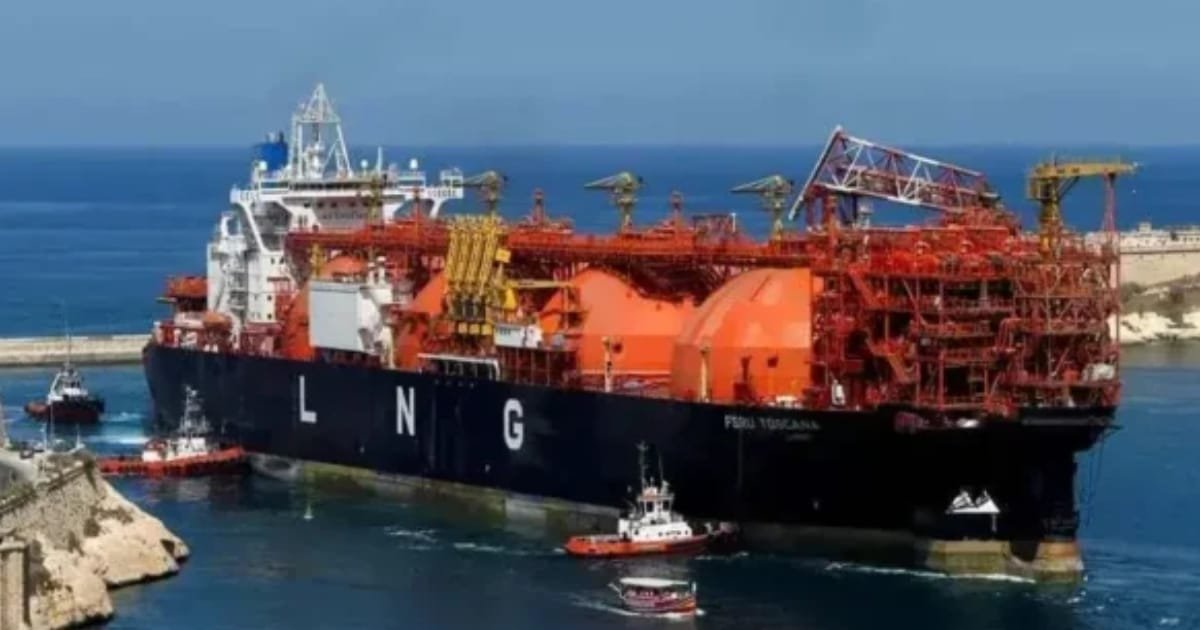




State-run Pakistan LNG Limited (PLL) has acted decisively to secure a crucial LNG cargo, approving a revised bid of $18.4 per million British thermal units (mmBtu) from TotalEnergies for delivery between April 27 and 30. This move comes as Pakistan grapples with rising temperatures, a significant power shortfall, and widespread loadshedding.
PLL’s swift action follows the rejection of other bids for early May delivery, based on optimistic expectations of the Strait of Hormuz reopening. The urgency of the situation is underscored by a power deficit exceeding 4,500MW at peak times, resulting in six to seven hours of daily loadshedding.
The tender was issued after Qatar expressed reluctance to dispatch LNG cargoes that were stranded in the Gulf due to security concerns surrounding the Strait of Hormuz closure.
The cost of regasified LNG, including domestic charges and taxes, is projected to reach approximately $23 per mmBtu, a steep increase compared to March’s rate. This surge is attributed to increased terminal charges amid lower import volumes.
In March, the Oil and Gas Regulatory Authority (Ogra) reported a 19-22% increase in RLNG prices, reaching $12.50-$14 per mmBtu for distribution by Sui gas companies. This was based on an import price of about $7.6 per mmBtu. The March basket price reflected just two cargoes, compared to the usual eight, due to a force majeure declared by Qatar and the Strait of Hormuz closure.
While PLL had imported a cargo a couple of months ago at $7.65 per mmBtu through an old contract, the company has faced criticism for its inactivity and associated financial burden.
The Power Division, anticipating summer peak demand exceeding 28,000 MW, had urged the Petroleum Division to secure 400 million cubic feet per day (mmcfd) of LNG for power generation. Solar energy is helping to alleviate daytime demand, but reliance on the grid increases significantly after sunset.
You May Like To Read: Israeli Strikes in Gaza Claim Lives, Threaten Post-Truce Stability
Check out our latest video: