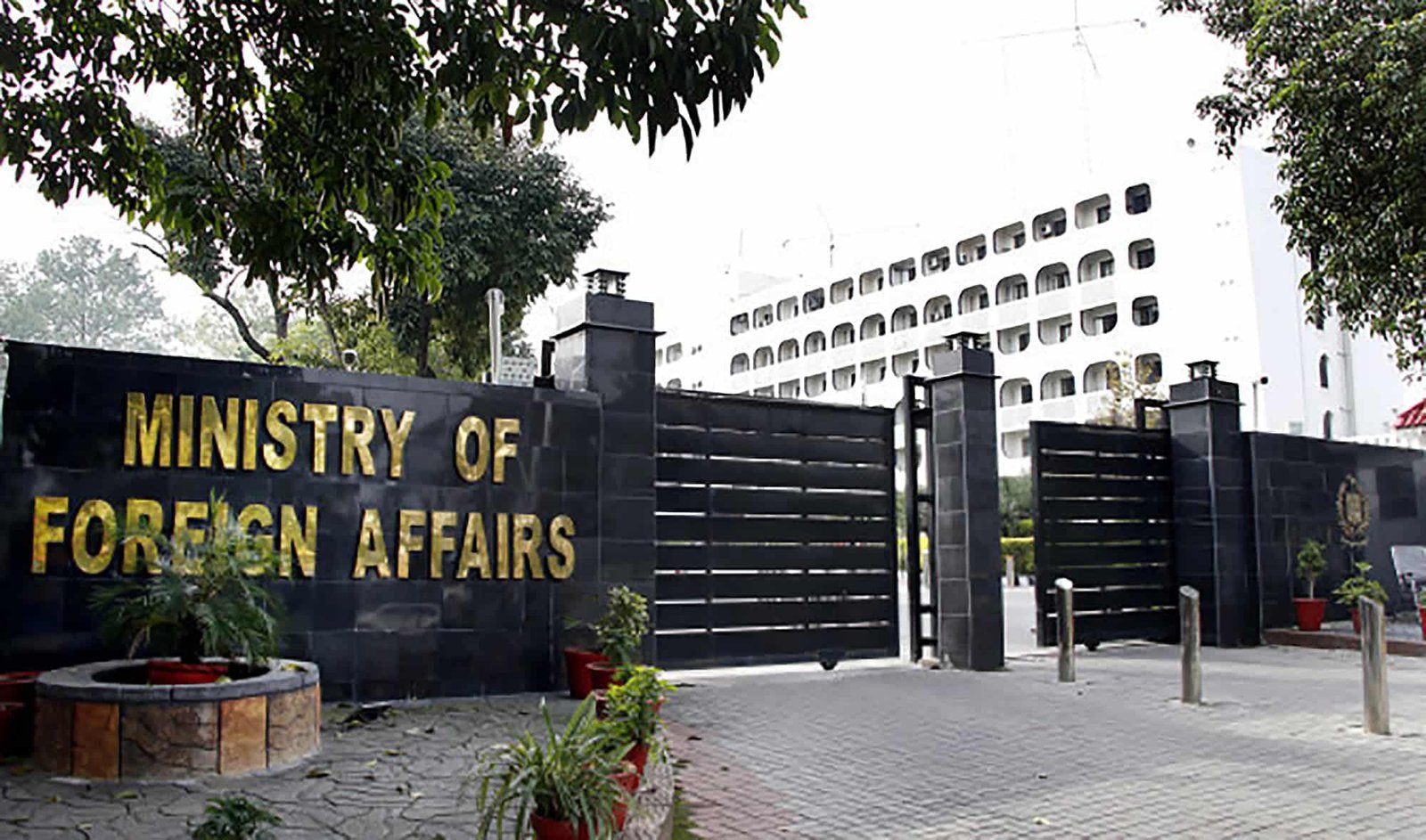





Pakistani officials have categorically dismissed recent suggestions linking the nation to a potential normalization agreement with Israel under the Abraham Accords. In a firm reiteration of its long-standing policy, Pakistan emphasized that its position on the Palestinian issue remains “clear and unchanged,” countering what it described as attempts by certain voices in Washington to sow confusion regarding Islamabad’s diplomatic stance.
Pakistan’s foreign office said it will not join the Abraham Accords and is “firmly opposed to interference in internal affairs” and the imposition of sanctions on Iran. https://t.co/fBJwr6aWBJ
— Arab News Pakistan (@arabnewspk) January 29, 2026
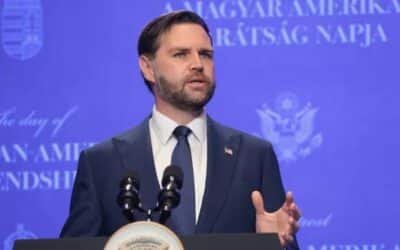
The clarification comes in response to remarks made by US Senator Lindsey Graham, who speculated about Pakistan, alongside Saudi Arabia and Qatar, potentially joining the Abraham Accords. Graham suggested this could be part of broader regional developments tied to negotiations concerning Iran, envisioning such an expansion as “beyond transformative for the region and world.”
However, Pakistani officials swiftly countered Graham’s narrative, asserting that former US President Donald Trump had never mentioned Pakistan in connection with the accords. A Pakistani official critically remarked, “President Trump never mentioned Pakistan. However, Lindsey Graham appears to be itching for it. Why? Because he represents the top cadre of detractors of peace who want, in any way possible, to create malice, confusion and discord.” This statement highlights Pakistan’s perception of Graham’s comments as an attempt to deliberately misrepresent its foreign policy and potentially stir regional discord.
Officials further characterized Graham’s remarks as rooted in an “old narrative,” underscoring the consistent nature of Islamabad’s policy toward Israel and Palestine for decades. “Pakistan’s position on Israel is crystal clear, as enunciated by our founder Quaid-e-Azam. Our position on Palestine is also crystal clear, and that is a separate self-governing state,” an official affirmed. This emphasizes the historical and ideological foundations of Pakistan’s position, linking it to the vision of its founder and an unwavering commitment to the Palestinian cause.
Pakistan does not maintain diplomatic relations with Israel and has consistently conditioned any shift in policy on a just resolution of the Palestinian issue, advocating for the establishment of an independent Palestinian state based on internationally recognized parameters. This principled stance differentiates Pakistan from nations that have joined the Abraham Accords, underscoring its commitment to international law and the rights of the Palestinian people.
The latest remarks unfold amidst broader diplomatic discussions surrounding Iran and regional security dynamics, with ongoing speculation about potential shifts in alliances and normalization efforts across the Middle East. Despite this context, Pakistani officials unequivocally stressed that there has been no alteration in Islamabad’s established position, signaling a steadfast adherence to its foreign policy principles.
Critical Analysis
The Pakistani government’s response is a carefully constructed narrative designed to reinforce its traditional foreign policy positions and manage international perceptions. By directly refuting Senator Graham’s statements, Pakistan aims to:
- Reassert Sovereignty and Independence: The swift and firm dismissal of external suggestions regarding its foreign policy underscores Pakistan’s assertion of its sovereign right to determine its international relations without external pressure. The accusation of “malice, confusion and discord” being sown by Graham further frames his remarks as an unwelcome intrusion.
- Solidify Domestic and Regional Support: Pakistan’s unwavering support for a two-state solution and an independent Palestinian state resonates deeply with its own populace and many Muslim-majority nations. This strong reiteration serves to solidify domestic political support and maintain its standing within the Organization of Islamic Cooperation (OIC) and other international forums concerned with the Palestinian issue.
- Distinguish from Abraham Accords Signatories: By explicitly rejecting any link to the Abraham Accords, Pakistan differentiates itself from countries that have normalized relations with Israel. This positions Pakistan as a steadfast advocate for the Palestinian cause, appealing to a segment of the global community that views the Accords critically.
- Avoid Strategic Ambiguity: In a region rife with geopolitical complexities and shifting alliances, Pakistan’s clear and consistent message on Israel and Palestine avoids any strategic ambiguity. This predictability in its foreign policy can be seen as an asset, particularly in its relations with key regional partners.
- Historical and Ideological Grounding: By referencing its founder, Quaid-e-Azam, Pakistan imbues its current policy with historical legitimacy and an ideological foundation. This suggests that the stance is not merely a contemporary political decision but a deeply ingrained principle of the state.
In essence, Pakistan’s response is a strategic communication effort to control the narrative, prevent misinterpretations of its foreign policy, and reaffirm its core principles in a dynamically evolving geopolitical landscape.