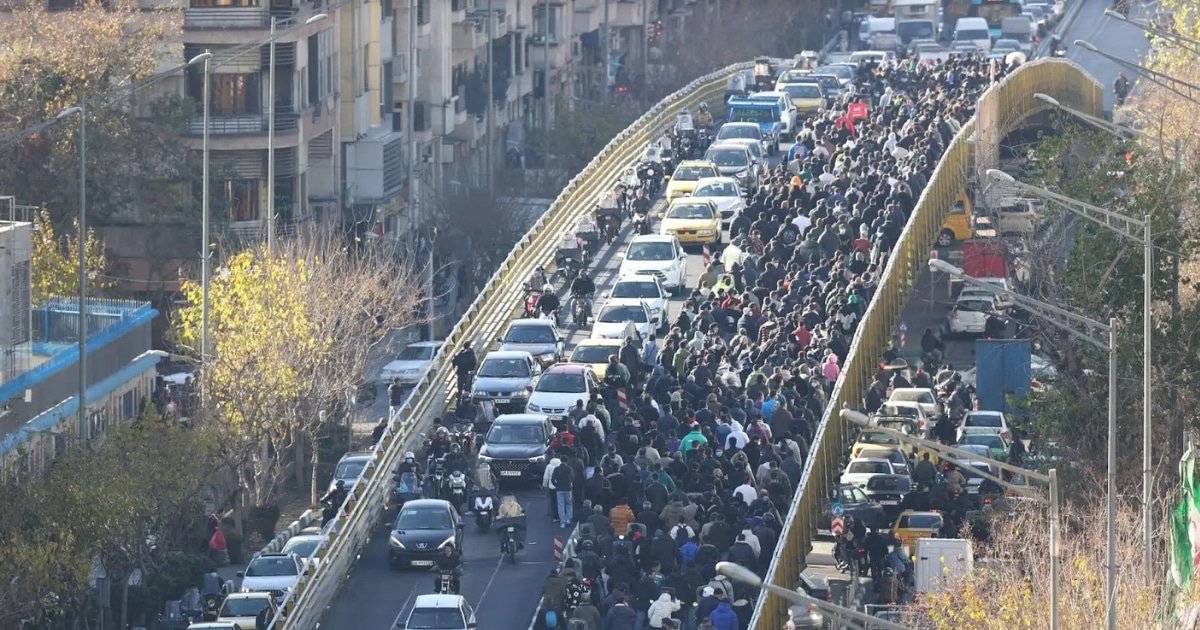





Civil unrest in Iran has entered its fourth consecutive day, spreading from the capital to several southern and western provinces. The demonstrations, sparked by a sharp devaluation of the Iranian currency against the US dollar, have evolved into broader expressions of dissent against the country’s clerical leadership.
🚨 Breaking News – Tehran
Protests by shopkeepers and citizens have just erupted across multiple areas of Tehran in response to the collapse of the national currency, the unprecedented surge of the US dollar, and the systemic corruption of the Islamic Republic regime. pic.twitter.com/kIsF7CgIAT
— Niyak Ghorbani (نیاک) (@GhorbaniiNiyak) December 28, 2025
Escalation in Fars Province
In the southern province of Fars, tensions reached a critical point in the city of Fasa. Verified reports and social media footage indicate that a large crowd attempted to breach the local governor’s office. According to government officials:
- Three police officers were reportedly injured during the confrontation.
- Four individuals were arrested in connection with the breach of the government building.
- Security forces deployed tear gas and, in some instances, fired shots to disperse protesters near shuttered commercial districts.
Nationwide Impact and Government Response
The unrest, which began with shopkeepers in Tehran on Sunday, has now reached the provinces of Hamedan and Lorestan. In a move widely interpreted as an attempt to stifle mobilization, the Iranian government declared Wednesday a last-minute public holiday, shuttering banks, schools, and universities.
While the official reason provided for the closure was energy conservation due to cold weather, residents and analysts view it as a strategic measure to keep citizens off the streets and prevent student-led gatherings.
Today in Tehran, shopkeepers poured into the streets because their money is becoming worthless. They are protesting the collapse of Iran’s currency but this is how dictatorships crack.
When daily survival becomes impossible, fear changes sides.In 2019, economic collapse turned… pic.twitter.com/jGa9DXJ0nh
— Masih Alinejad 🏳️ (@AlinejadMasih) December 29, 2025
Current Political Climate
These demonstrations represent the most widespread civil action since the 2022 uprising. While the current scale has not yet reached that of previous years, the rhetoric from the government remains divided:
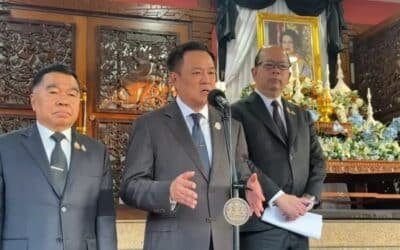
- President Masoud Pezeshkian stated that his administration would “listen to the legitimate demands” of the protesters, acknowledging the economic strain.
- Prosecutor General Mohammad Movahedi-Azad issued a stern warning, promising a “decisive response” to any actions deemed to create national instability.
You May Like To Read: Discovery of 30,000 Fossils Reveals “Shockingly Fast” Post-Extinction Ocean Recovery
Security Situation
A heavy security presence is currently maintained in Tehran, particularly in commercial hubs where the initial protests broke out. Despite the deployment, reports of chanting and localized confrontations continue to emerge from university centers and provincial cities.
Check out our latest video: