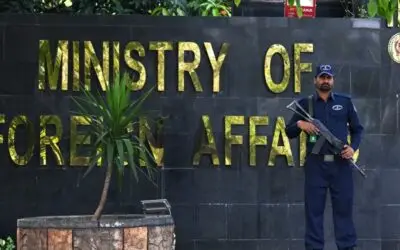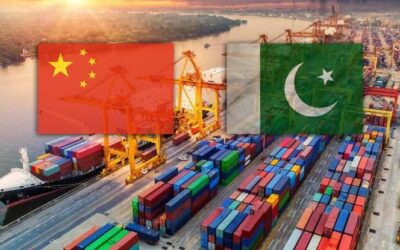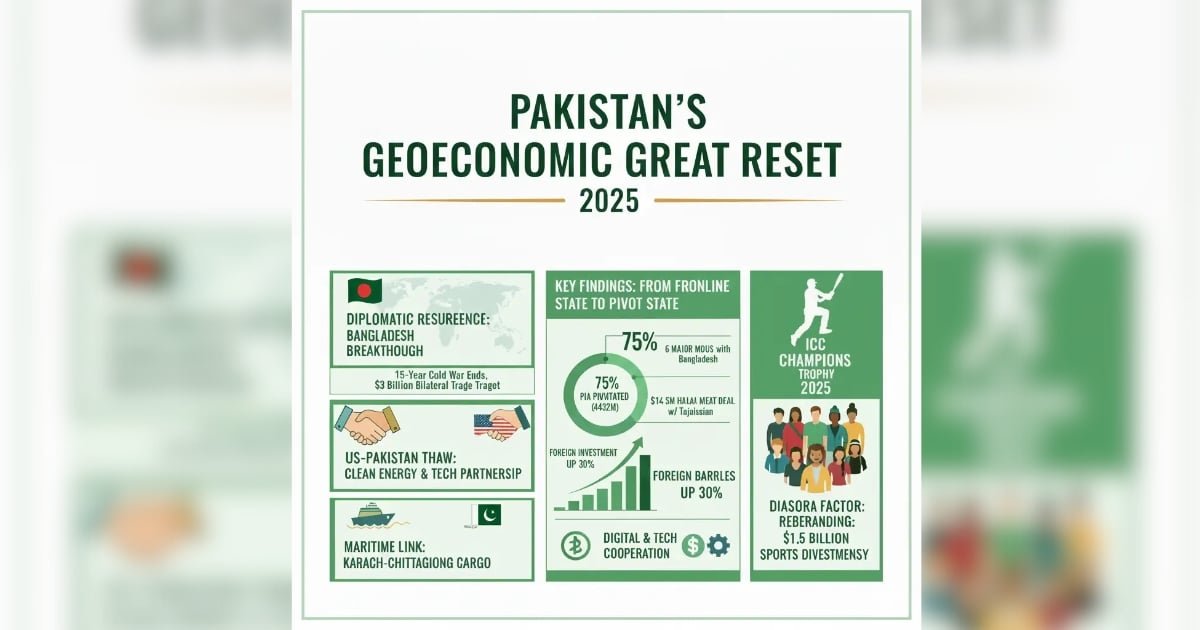





The year 2025 has been defined by a radical “Great Reset” in Pakistan’s civilian and economic spheres. While the “Garrison Pivot” addressed hard security, the civilian leadership executed a parallel shift toward Geoeconomic Realism. By prioritizing transactional diplomacy over ideological alignment and utilizing soft power to rebrand the national image, Pakistan has sought to transition from a “frontline state” in conflict to a “pivot state” in regional trade.
Diplomatic Resurgence: The “Regional Reset” Doctrine
From the perspective of Neorealist Theory, Pakistan’s 2025 foreign policy reflects a calculated move to secure its borders through economic interdependence rather than just military deterrence. This is most evident in the “Regional Reset” targeting the eastern and western flanks.
The Bangladesh Breakthrough
The most significant diplomatic milestone was the formal reconciliation with Dhaka. On April 17, high-level bilateral consultations ended a 15-year diplomatic “ice age.” This was codified on August 24 through six major MoUs, including agreements on visa abolition for diplomats and academic exchanges. The shift reflects a strategic “balancer” approach where Dhaka views Islamabad as a necessary counterweight to regional pressures, and Islamabad views Dhaka as a vital partner for South Asian integration.
Beyond the formal meetings, the integration reached into the maritime sector with the proposal of a formal framework between the Pakistan National Shipping Corporation (PNSC) and the Bangladesh Shipping Corporation (BSC). By November, direct cargo shipping had resumed, with an initial 50,000 tonnes of rice arriving from Karachi to Chittagong. This maritime link is intended to bypass traditional regional bottlenecks, reducing logistics costs and signaling a decisive departure from decades of “cold” relations toward a $3 billion bilateral trade target.
#Bangladesh has reaffirmed its resolve to foster close cooperation with #Pakistan in parliamentary affairs and other fields@NAofPakistan @ForeignOfficePk @AyazSadiq122 @PakinBangladesh #RadioPakistan #News https://t.co/yh7edBfw6l pic.twitter.com/Bmx8mUESyE
— Radio Pakistan (@RadioPakistan) January 1, 2026
US-Pakistan Diplomatic Thaw
Throughout 2025, the relationship with Washington moved away from its narrow focus on counter-terrorism toward a partnership centered on clean energy and minerals. This “thaw” was facilitated by high-level visits from US delegations, including Commerce Secretary Howard Lutnick and Trade Representative Jameson Greer. From a Constructivist viewpoint, both nations have begun to re-frame their identity from security-clients to economic partners, significantly altering the long-standing “transactional” nature of the alliance.
This diplomatic realignment paved the way for the historic July 31 trade deal, which saw the US—Pakistan’s top export market—significantly reduce reciprocal tariffs. This agreement was not just about textiles; it opened doors for US investment in Pakistan’s infrastructure and technology sectors. By December, the partnership had matured to include cooperation in cryptocurrency and Information Technology, marking 2025 as the year the US-Pakistan relationship was decoupled from the “Afghan-centric” lens that had dominated the previous two decades.
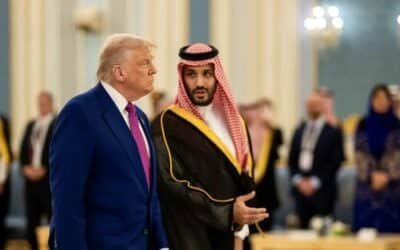
Despite heavy Indian lobbying in Washington, Pakistan gained ground as Trump publicly thanked it for counter-terror cooperation.
— The Telegraph pic.twitter.com/tShtwbczxW
— Mansoor Ahmed Qureshi (@MansurQr) December 29, 2025
UAE Presidential Visit
The arrival of President Sheikh Mohamed bin Zayed Al Nahyan on December 26 marked his first official state visit as UAE President. Escorted by JF-17s, the visit was more than ceremonial; it signaled a shift from “bailout diplomacy” to strategic investment. The UAE’s commitment to long-term projects in digital infrastructure and the “Blue Economy” reinforces Pakistan’s role as a primary pillar for Gulf capital entering the South Asian market.
It was a pleasure to welcome my dear brother, His Highness Sheikh Mohamed bin Zayed Al Nahyan, President of the United Arab Emirates, on an official visit to Pakistan, adding to the warmth and festivities as we enter the New Year together.
We held most cordial and constructive… pic.twitter.com/4nUgjHBMFn
— Shehbaz Sharif (@CMShehbaz) December 26, 2025
Analysis of this visit suggests that the UAE now views Pakistan through the lens of Complex Interdependence. By promising large-scale investments in Karachi’s port facilities and renewable energy parks, the UAE is essentially underwriting Pakistan’s economic stability to ensure regional security. This move effectively elevates Pakistan from a traditional security provider to a core economic node in the UAE’s “look East” strategy, ensuring that the two nations’ financial futures are now structurally linked.
Economic Pacts: Transition to Transactional Diplomacy
In 2025, the Special Investment Facilitation Council (SIFC) became the engine of a new transactional foreign policy, moving away from a reliance on foreign aid toward market-access deals and high-value resource trade.
Landmark US Oil Import: Diversifying the Energy Mix
Following the July trade deal, Cnergyico, Pakistan’s largest refiner, sealed a deal for the first-ever shipment of American West Texas Intermediate (WTI) crude oil. The 1-million-barrel cargo, loaded in Houston, arrived in Karachi in October. This marked a historic move to reduce Pakistan’s reliance on Middle Eastern suppliers and diversify its energy sources, which account for nearly 20% of the total national import bill.
This energy deal represents a significant success for Pakistan’s Resource Diplomacy. By successfully negotiating a “test spot cargo” umbrella agreement, Pakistan has demonstrated that it can leverage its top export destination (the US) to alleviate its energy import burden. The SIFC facilitated this by encouraging local refineries to explore US crude after initial tariff threats, proving that the council can act as a rapid-response mechanism to external economic shocks and transform them into strategic opportunities.
Privatization of PIA: Cutting the “White Elephants”
On December 23, the government achieved a decades-long goal: the privatization of 75% of Pakistan International Airlines (PIA). The Arif Habib Group won the bid for Rs 135 billion ($482 million) in a live-televised auction. This move signaled to global investors that Pakistan is serious about structural reform, moving toward a leaner, market-driven governance model to meet IMF conditions and reduce annual fiscal losses estimated at Rs 35 billion.
The Arif Habib Consortium has emerged as the successful bidder in the privatisation of Pakistan International Airlines (PIA), acquiring a 75% stake for Rs135 billion after a competitive multi-stage bidding process.
The Lucky Consortium finished second with a Rs134 billion… pic.twitter.com/2qXKQMcKVd
— Startup Pakistan (@PakStartup) December 23, 2025
The privatization was made possible by the government taking over nearly Rs 670 billion in legacy liabilities, transforming PIA from a distressed asset into a viable investment. The Arif Habib consortium, which includes powerhouses like Fatima Fertilizer and City Schools, is legally mandated to inject fresh capital for fleet modernization. Analytically, this sale serves as a “litmus test” for the privatization of other loss-making state-owned enterprises (SOEs) in the energy and finance sectors, potentially triggering a wider wave of private-sector-led growth across the national economy.
Central Asian Integration: The Tajikistan Meat Deal
On December 30, facilitated by the SIFC, Pakistan signed a landmark deal to export 143,000 tons of halal meat to Tajikistan, valued at $14.5 million. This deal is the first of many intended to turn Pakistan into the “food basket” of Central Asia, leveraging its massive livestock sector to build a $300 million-plus annual trade channel with Dushanbe.
#Pakistan has commenced the export of #halal #meat to #Tajikistan, following active diplomatic and trade efforts by Tajikistan’s Ambassador to Pakistan, Yusuf Sharifzoda Toir. The initiative is expected to expand bilateral trade and strengthen economic ties between the two… pic.twitter.com/qDpAOM6REk
— Developing Pakistan (@developingpak) December 30, 2025
This agreement underscores Pakistan’s Strategic Depth through Trade. By coordinating federal and provincial ministries under the Prime Minister’s Halal Meat Export Policy, Pakistan has aligned its production with international standards. The deal also included MoUs for student and teacher exchanges, showing that Pakistan is using its agricultural exports as a “bridgehead” for deeper cultural and educational integration with Central Asian republics, effectively opening a new economic frontier that bypasses traditional regional rivals.
Rebranding Soft Power: Culture, Sports, and Inclusivity
Pakistan utilized 2025 to repair its international “brand,” projecting itself as a secure, pluralistic, and vibrant destination through major global events.
The ICC Champions Trophy: A Global Certification
From February 19 to March 9, Pakistan hosted its first major ICC tournament in nearly 30 years. Matches in Karachi, Lahore, and Rawalpindi saw packed stadiums and global viewership. Although India played its matches in Dubai, the successful hosting of the other seven nations proved to the International Cricket Council (ICC) that Pakistan is once again a premier hub for world-class sports, injecting millions into the local hospitality sector.
Hosts Pakistan are all set to begin their #ChampionsTrophy title defence 🇵🇰 👊#PAKvNZ 📝: https://t.co/zkAAmAzjpg pic.twitter.com/f64kBayIwZ
— ICC (@ICC) February 19, 2025
The tournament’s significance goes beyond sport; it served as a National Pride project. The extensive investment in stadium upgrades and high-level security protocols—coordinated with international agencies—was a physical demonstration of the state’s improved administrative capacity. By delivering an “incident-free” mega-event, Pakistan has dismantled the “security pariah” narrative that had persisted since 2009, making the country a viable candidate for future events like the 2026 U-19 World Cup.
National Games and Religious Diplomacy
In December, Karachi hosted the 35th National Games, the largest multi-sport event in the city’s history, featuring 32 disciplines and thousands of athletes. This was coupled with the government officially sponsoring nationwide Christmas events on December 25. These initiatives were designed to promote a “Soft Image” of Pakistan as a stable, diverse, and sports-loving nation, directly countering extremist narratives.
From a Political Theory perspective, this is the state engaging in Identity Re-construction. By celebrating the cultural heritage of minorities and reclaiming the public space through sports, the government is attempting to build a more inclusive national identity that is attractive to foreign tourists and investors. The National Games, in particular, served as a symbol of Karachi’s “return to normalcy,” showing that the once-volatile megalopolis is now a safe arena for massive public gatherings and international-standard competitions.
The Diaspora Factor: The Overseas Pakistanis Convention
The Overseas Pakistanis Convention in Islamabad brought together 1,200 expatriates with the Prime Minister and the Field Marshal. The focus was on “Brain Gain” and investment protection. By providing a “One-Window” facility for diaspora investments and addressing expatriate grievances directly, the state is attempting to turn its global citizens into its most effective foreign policy advocates.
The convention highlighted a shift in how the state perceives the diaspora—not just as a source of remittances, but as Strategic Human Capital. The discussion of “brain gain” initiatives aims to incentivize high-skilled Pakistanis to return or consult on national projects in IT, medicine, and engineering. By offering legal guarantees against property encroachment and investment fraud, the “Garrison-Civilian” leadership is attempting to build a layer of trust that has been missing for decades, ensuring that the 10-million-strong diaspora becomes the primary engine for the nation’s 2025 metamorphosis.
Conclusion: The Birth of a Geoeconomic Pivot
Analyzing these events through Geoeconomic Theory, it is clear that Pakistan has begun to abandon its “zero-sum” security obsession in favor of a “win-win” trade logic. By mending ties with Bangladesh, securing energy deals with the US, and privatizing failing assets, the state is attempting to build “Strategic Autonomy” through economic strength rather than just military might.
You May Like To Read: Global Instability Drives Oil Price Surge Amid Yemen and Russia Tensions
The year 2025 was the moment Pakistan stopped being a “problem to be solved” and began positioning itself as a “partner to be sought.” The challenge for 2026 will be maintaining this delicate balance between global powers while ensuring that these high-level deals translate into relief for the common citizen. However, with the successful launch of the Garrison Pivot and the Great Reset, Pakistan has effectively re-entered the global stage as a assertive and economically focused Middle Power.
Check out our latest video: