


Ceasefire and a Fragile Pause
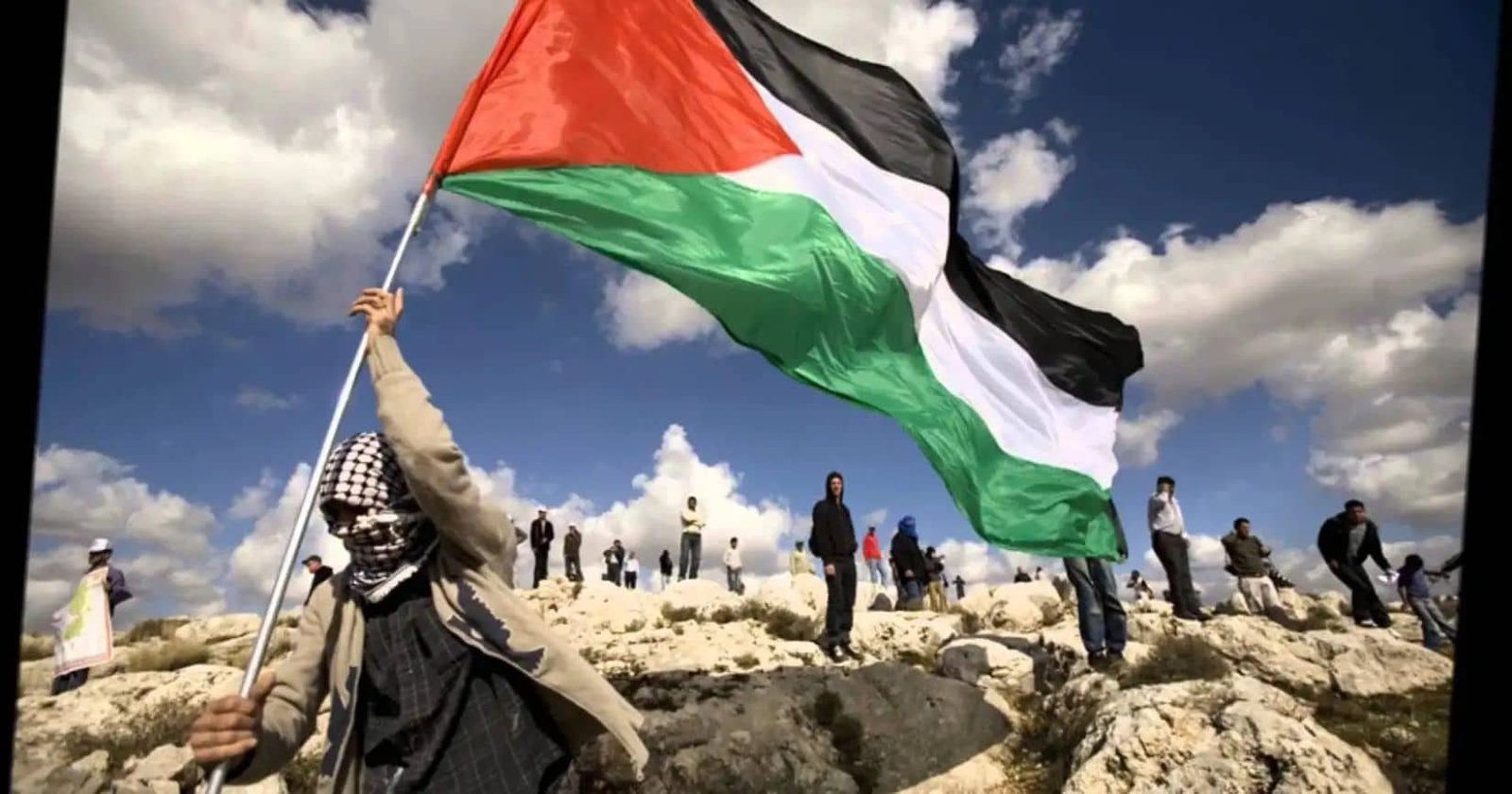
The ceasefire in Gaza, brokered in recent weeks, has offered a brief and fragile pause after more than a year of heavy fighting. Under the first phase of the agreement, limited hostage returns and prisoner swaps have taken place while major troop movements and full withdrawal remain unresolved. The United Nations has already signalled plans to surge humanitarian aid and medical supplies into Gaza during the initial weeks of the truce, but relief will depend on secure crossings and safe access for aid workers, conditions that remain contested on the ground.
You May Like to Read: Gaza Deal Sparks Hope and Uncertainty Amid Trump’s “New Middle East” Plan
The Muslim World’s Public Unity
Across capitals from Ankara to Riyadh and Islamabad, official statements showed a rare public unity in condemning the suffering in Gaza and calling for an end to hostilities. Regional forums, including an emergency Arab-Islamic summit in Doha, produced strong language about protection, reconstruction and political responsibility for civilian safety. That unity is meaningful politically even if the underlying national interests of each country differ sharply; public solidarity gives smaller and medium states greater leverage to press for concrete humanitarian and diplomatic outcomes.
You May Like to Read: The Recalibration of Middle Eastern Alliances: From U.S. Dependence to Multipolar Diplomacy
Saudi-Pakistan Defence Cooperation: A New Chapter
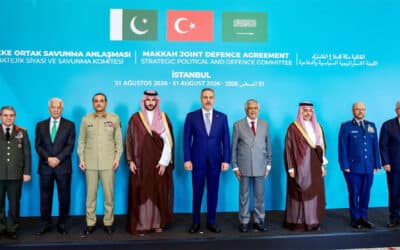
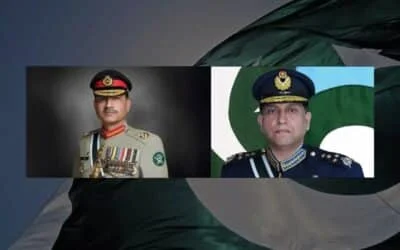
September 2025 saw a notable deepening of ties between Riyadh and Islamabad with a Strategic Mutual Defense Agreement that binds the two countries to consult and assist if either faces external aggression. For Pakistan, the pact strengthens a long-standing security and economic relationship with Saudi Arabia; for Riyadh, the agreement brings a nuclear-armed Muslim state closer into its strategic orbit and signals a willingness to broaden defence partnerships beyond Western frameworks. While the pact stops short of creating an alliance structure like NATO, it does change calculations about deterrence and regional signalling.
You May Like to Read: Pakistan–Saudi Arabia Mutual Defense Agreement: Can It Redefine Muslim World Security Architecture?
Iran’s Calculus After the Truce
Iran’s regional posture after the ceasefire is cautious and opportunistic. Tehran has publicly framed events as proof that Israel’s actions have rallied the Muslim world and has called for stronger collective measures to defend Palestinian rights. At the same time, Iran must weigh the risk of overreaching: backing militant proxies too visibly risks further conflict and international isolation, while stepping back could weaken its influence with key allies in Gaza, Lebanon and Syria. Iranian statements in recent weeks have included calls for tighter military cooperation among Muslim states, rhetoric that boosts Iran’s profile but does not automatically translate into broad alliance-building.
You May Like to Read: Iran Signals Readiness for Regional Defense Pact Following Saudi-Pakistan Mutual Defense Agreement
The Idea of a Muslim Security Bloc
Talk of a Muslim security bloc, an “Islamic NATO” has resurfaced in the wake of the Gaza crisis. Some leaders and commentators argue that a formal collective defence structure could deter external intervention and coordinate aid and reconstruction. Others warn that a bloc would be difficult to sustain: differences over strategic priorities, rivalry among regional powers, and diverse security ties to outside actors make a unified military alliance hard to achieve in practice. The recent Saudi-Pakistan pact has given the idea new momentum, but experts stress caution: symbolic statements are easier than working out command, interoperability, and political commitments across dozens of states.
Pakistan’s Strategic Balancing Act
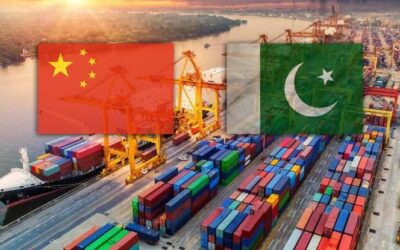
For Pakistan, the moment presents both opportunity and constraint. Islamabad’s deepening defence cooperation with Saudi Arabia reaffirms historical ties and can deliver diplomatic and economic benefits. But Pakistan must also manage a careful balancing act: preserving relations with other Gulf states, maintaining ties with China and the wider Muslim world, and avoiding entanglement in regional rivalries that could draw Islamabad into unwanted conflicts. Islamabad’s public posture has stressed humanitarian concern for Palestinians while seeking to keep channels open with all major regional players.
You May Like to Read: Pakistan’s Balancing Act in the Evolving Middle East
Risks of Fragmentation and Miscalculation
The years ahead could see both closer bilateral defence links and the opposite trend: fragmentation. If ceasefire terms falter or spoilers on any side resume hostilities, regional alignments could harden quickly and unpredictably. Rivalry between competing regional projects, for example, steps led by Riyadh versus initiatives backed by Tehran or Ankara, could lead states to pick sides. That creates risks of miscalculation, where an incident spirals into wider confrontation because of rigid alliance commitments or public pressure for dramatic responses.
What a Real Security Bloc Would Require
If regions want a credible Muslim security bloc, the checklist is long and political: shared threat perceptions, interoperable military standards, transparent command arrangements, and mechanisms to prevent the bloc being used to settle old scores. Equally important would be buy-in from major external partners, agreed legal frameworks, and clear humanitarian rules that protect civilians. Absent these, project-style or coalition arrangements, task-based, limited in scope and time-bound, are likelier than a permanent alliance mirroring NATO.
A Pragmatic Path Forward for Pakistan and the Region
For Pakistan and its partners, the sensible course is practical, not grandiose. Focus on humanitarian relief, reconstruction financing, clear political steps that reduce incentives for renewed violence, and targeted defence cooperation that boosts deterrence without forcing permanent binary choices. Regional diplomacy should aim to convert the current political energy into institutions and agreements that deliver visible relief for civilians, and that reduce the chance of future wars. In that way, Pakistan can protect its interests, support Muslim solidarity, and avoid being trapped in rival blocs that serve neither security nor the well-being of ordinary people.