




In a warm step forward for bilateral relations, Canada and Pakistan have agreed to ease the flow of Canadian canola into the South Asian nation, a move celebrated in a joint statement released late Monday.
🔊PR No.3️⃣2️⃣7️⃣/2️⃣0️⃣2️⃣5️⃣
Pakistan–Canada Joint Statement: Reaffirming strong and enduring ties – 3rd November 2025
🔗⬇️https://t.co/h9zLGgRH3t pic.twitter.com/biiqrPrOSa
— Ministry of Foreign Affairs – Pakistan (@ForeignOfficePk) November 3, 2025
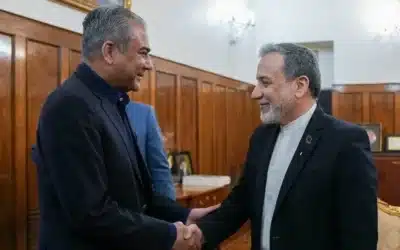
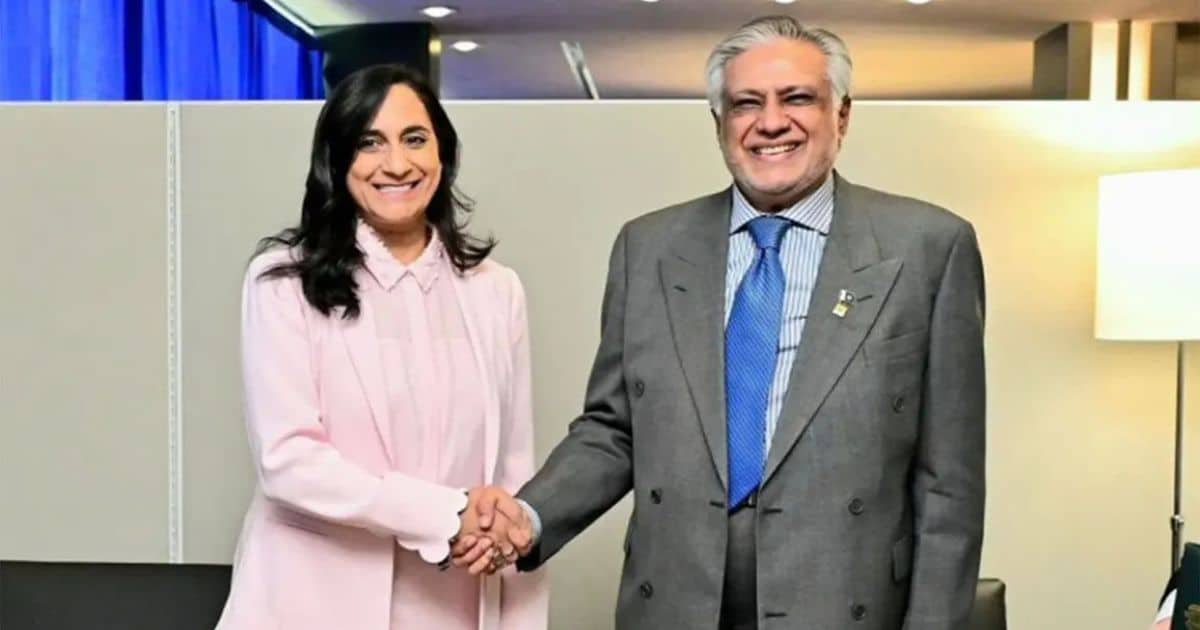
The agreement follows a friendly phone call on October 30 between Pakistan’s Deputy Prime Minister and Foreign Minister Ishaq Dar and Canada’s Foreign Minister Anita Anand. The leaders reaffirmed their countries’ longstanding friendship and pledged to deepen cooperation in trade, investment, and beyond.
You May Like To Read:Tehran Faces Severe Water Crisis as Main Reservoir Nears Depletion
“Pakistan and Canada agreed to facilitate the export of Canadian canola to Pakistan, recognizing the significant potential of Pakistan’s expanding market for this Canadian commodity,” the statement read. For Canada, the deal comes at a crucial time—offering a new outlet for canola producers after China imposed preliminary anti-dumping duties in August, following Ottawa’s 100% tariff on Chinese electric vehicles.
The two nations also cheered the successful first round of talks toward a Foreign Investment Promotion and Protection Agreement, led by Pakistan’s Minister for Investment Qaiser Ahmed Sheikh and Canada’s Minister of International Trade Maninder Sidhu. Energy security and critical minerals emerged as exciting new frontiers, with Canadian companies poised to support Pakistan’s clean energy and mineral development goals.
Looking ahead, both sides are eager for the sixth round of bilateral consultations to strengthen government and private-sector ties.
Canadian MP Rob Oliphant called it “a beneficial deal for both sides,” while MP Shafqat Ali hailed the renewed canola trade as “good news for both our countries.” Minister Anand shared on X that import orders are already being placed as regulatory approvals speed through.
In a world of trade tensions, this partnership feels like a quiet victory—proof that diplomacy, trust, and mutual benefit can still open doors.
Check out our latest video: