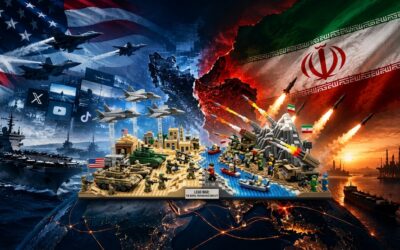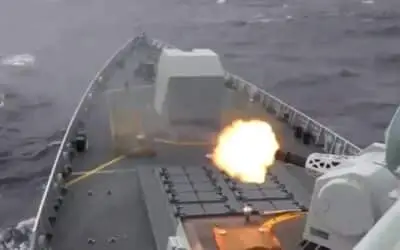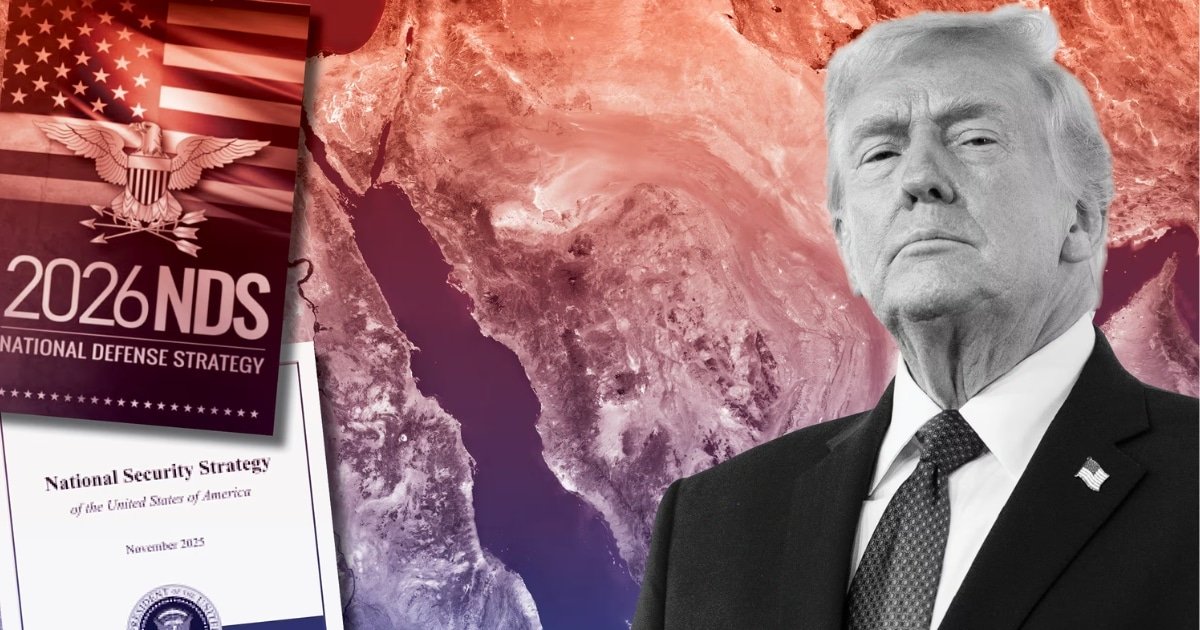





Thirteen days into a conflict that has engulfed much of the Middle East, the United States, widely viewed as the primary instigator, has yet to present a coherent explanation for its actions against Iran. President Donald Trump has offered multiple justifications, ranging from claims that Iran poses an imminent nuclear threat to assertions about possible pre-emptive attacks.
🚨🇺🇸🇮🇷 TRUMP IN PANIC: Iran Embraces Brutal Attrition Trap
Trump’s attempt to destroy Iran’s nuclear facilities has unleashed Tehran’s potential, prompting the country to adopt a strategy of prolonged conflict that exploits Washington’s well-documented aversion to open-ended… pic.twitter.com/xFWA69KZ8s
— NewRulesGeopolitics (@NewRulesGeo) February 25, 2026
However, these explanations have often contradicted one another, leaving observers uncertain about the true motivations behind the war. Before hostilities began, negotiations between the United States and Iran reportedly focused on three key issues: Iran’s nuclear programme, its ballistic missile capabilities, and its support for regional allies sometimes referred to as the “Axis of Resistance.”
Reports suggest that Iran had shown flexibility regarding nuclear restrictions, including reducing enriched uranium levels and accepting expanded international monitoring, potentially going even further than the 2015 Joint Comprehensive Plan of Action, which the Trump administration withdrew from in 2018.
Strategic Demands Driving the Conflict
At the core of Washington’s demands was what critics describe as near-total strategic disarmament for Iran. Key objectives included:
-
Ending Iran’s nuclear ambitions, with strict limits on uranium enrichment and international oversight.
-
Restricting ballistic missile development, particularly systems that could threaten regional allies such as Israel.
-
Halting support for regional armed groups, including organizations operating in places like the Gaza Strip, Lebanon, and Yemen.
Critics argue these conditions effectively demanded unilateral Iranian surrender without parallel concessions from its regional rivals.
Power Politics and the Future of the Region
Observers say the conflict reflects a broader shift in American foreign policy under Trump’s second presidency, one increasingly defined by coercion and military leverage rather than diplomacy. As the war escalates, analysts warn that regional instability may deepen, particularly as military targets expand and civilian infrastructure risks becoming part of the battlefield.
You May Like To Read: US Accuses Russia and China of Shielding Tehran Amid Ongoing War; UNSC Clashes Over Iran Sanctions
At the same time, the United States’ close strategic alignment with Israel has intensified scrutiny of Washington’s role in regional conflicts, especially amid ongoing tensions surrounding the Palestinian issue. Critics argue that the current trajectory could transform a regional confrontation into a prolonged geopolitical crisis with global consequences.
Check out our latest video: