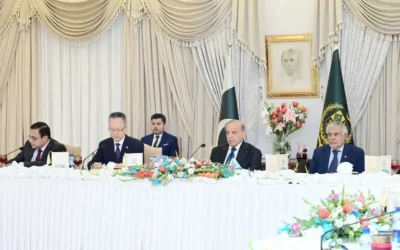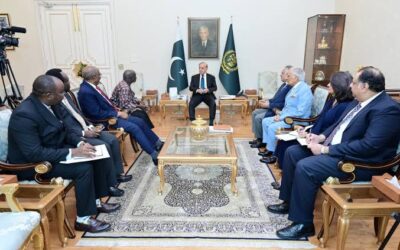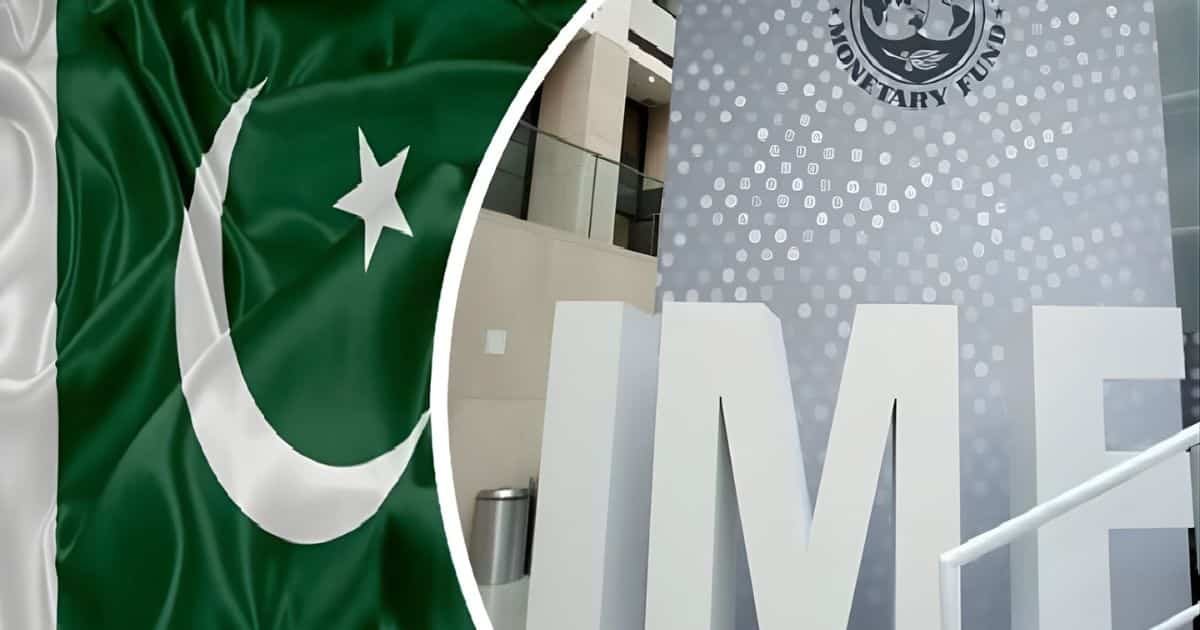





Pakistan’s relationship with the International Monetary Fund has once again taken centre stage. After the IMF approved a 37-month Extended Fund Facility (EFF) for Pakistan on 25 September 2024, the Fund completed the programme’s first review in May 2025 and allowed Islamabad to draw roughly $1 billion, part of a wider engagement that the IMF describes as aimed at rebuilding resilience and stabilising the economy. These moves come against a familiar backdrop: recurrent bailouts, thin foreign exchange buffers and a domestic economy vulnerable to shocks.
Decades of Reliance
The facts are plain and repeated. Pakistan has turned to the IMF repeatedly since joining in 1950, an institutional cycle that, by IMF accounting, now amounts to more than two dozen arrangements. At end-June 2025 Pakistan’s outstanding purchases and loans at the IMF remained sizable in SDR terms, reflecting sustained reliance on official financing to plug gaps in reserves and fiscal space. That recurrent pattern raises two questions at once.
What does Pakistan need to do differently, and what does the IMF model of crisis lending reveal about the architecture of global finance?
You May like to Read: Debt, Development, and Dependency: Is Pakistan Trapped in the Global South’s Financial Cycle?
Structural Challenges at Home
On the Pakistani side, the constraints are structural and visible. Chronic fiscal deficits, low tax revenue collection relative to GDP, large interest-bill burdens, and a narrow export base leave the country exposed to external shocks. Natural disasters in 2025, most recently the devastating floods, have amplified these vulnerabilities, forcing expenditure re-priorities and complicating fiscal adjustment. The State Bank and fiscal authorities have worked to rebuild reserves and stabilize inflation, but progress is fragile and often dependent on conditional disbursements under externally supervised programmes.
The IMF’s Expanding Role
For the IMF and other lenders, the response has evolved beyond balance-of-payments loans. The Fund’s new instruments, including requests linked to the Resilience and Sustainability Facility (RSF), signal a shift towards supporting climate resilience, disaster response and policy reforms designed to make countries less crisis-prone. In Pakistan’s case the IMF has signalled support for resilience measures while keeping a strong emphasis on fiscal consolidation, monetary stability and structural measures to broaden the tax base. This “beyond-loans” agenda aims to address root causes rather than only symptoms.
You May Like to Read: Navigating the Post-IMF Era: Sustaining Economic Stability and Growth (2025-2026 Outlook)
Assistance and Dependency
Yet the very existence of these broader tools highlights a paradox. When lenders such as the IMF add conditional climate or governance programming, they can help coordinate financing and technical assistance, but they also extend the Fund’s influence into areas with deep political and social implications. Critics argue this risks turning short-term crisis lending into long-term policy shaping by an external institution whose incentives can be different from national priorities. In practice, repeated programmes can create an uneasy mix of assistance and dependency: conditional flows buy breathing space but may not remove the underlying need for recurrent external support if domestic reforms stall.
A Global Financial Architecture Under Strain
There is also a systemic angle. The global financial order still relies heavily on official institutions and short-term capital flows that are sensitive to global sentiment. Emerging markets face higher borrowing costs and tighter conditions when global liquidity tightens or when commodity and climate shocks hit. The IMF’s role as lender and adviser is essential under these constraints, but the underlying architecture offers limited alternatives: regional facilities, deeper capital markets and effective debt restructuring mechanisms remain incomplete. Until those options mature, countries with narrow tax bases and high external obligations are likely to return to official creditors during stress episodes.
You May like to Read: Trade Sanctions as a Tool of Hegemony: How the Global South Can Respond?
Pathways for Pakistan and the World
So what should Pakistan do, and what should change internationally? Domestically, the priorities are clear. Durable revenue mobilisation through fair and efficient taxation, deeper export diversification, a credible medium-term fiscal framework that protects social spending, and investments in climate-resilient infrastructure. Equally important is strengthening institutions so that reform packages deliver results beyond the lifecycle of any single programme. Internationally, a more resilient order would include larger regional backstops, better coordinated concessional finance for climate and development, and clearer debt-resolution mechanisms that reduce the need for repeated emergency lending.
From Crisis Management to Resilience
Pakistan’s recent IMF engagement shows the Fund adapting to new risks, climate, debt and social vulnerabilities, by expanding its toolkit. That is welcome. But adaptation alone does not absolve the global system of responsibility for structural weaknesses that leave many countries repeatedly exposed. The remedy must be two-sided: Pakistan’s policy choices must become less cyclical and more programmatic, and the international financial architecture must offer predictable, affordable, and coordinated financing for shocks beyond what short-term bailouts can sustainably provide.
You May Like to Read: Pakistan’s “Debt-for-Climate Swap:” Real Relief or Cosmetic Diplomacy?
Concluding
In short, Pakistan’s recurring dependence on the IMF is as much a mirror on domestic reform gaps as it is a measure of the global order’s unfinished business. Moving from crisis management to genuine resilience will demand steady political commitment at home and smarter, more patient international support, not just bigger loans, but a fundamentally different balance between assistance and autonomy.
Check out our latest video: