




Global disruption, local consequences
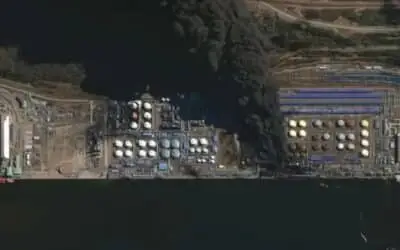
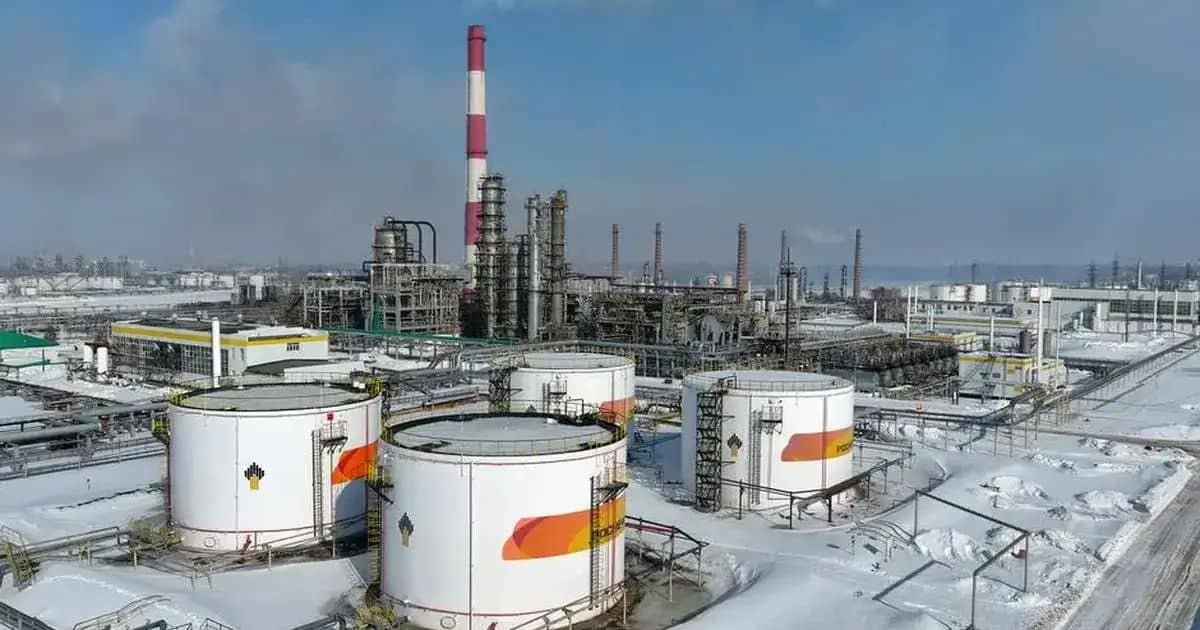
The war in Ukraine has continued to unsettle global energy markets more than three years after the invasion began. Repeated attacks on energy infrastructure, shifting sanction regimes and the resulting uncertainty have kept oil and gas prices volatile, forcing importing countries to rethink supply chains and partnership strategies. Periodic spikes in crude and refined-fuel prices, driven by worries about disruptions to Russian exports, translate quickly into higher import bills for energy-dependent economies such as Pakistan.
Trade patterns re-drawn by security choices
Since 2022, many importing nations have reshaped their trade flows to reduce reliance on single suppliers and to insulate themselves from geopolitical risk. Europe’s diversification away from Russian gas and the global scramble to re-route LNG and crude cargoes have altered long-standing shipping and contractual patterns. These shifts increase competition for available cargoes, making spot purchases more expensive and less predictable for countries with tight foreign exchange reserves. The International Energy Agency has documented how trade patterns for oil and natural gas have been reshaped as governments prioritise energy security.
You May Like to Read: The ‘New Energy Policy:’ The Political and Economic Challenges of Importing Russian Oil and Gas
Pakistan’s import squeeze: LNG, Oil, and Limited Fiscal Room
Pakistan imports a large share of its fuel needs, and the country’s LNG consumption and purchases have been highly sensitive to international price swings and domestic affordability. In the year ending June 30, 2025 Pakistan’s LNG consumption fell to the lowest level in five years, a sign that the government and power sector tightened purchases amid constrained external finances. When global prices or freight costs jump, Pakistan’s import bill rises quickly, squeezing foreign exchange and forcing policy trade-offs between energy availability and macroeconomic stability.
Diplomatic Tilt: Pragmatism over Ideology
Faced with limited options and urgent demand, Pakistan has pursued deeper engagement with countries outside traditional Western supply chains. In recent years officials and trade bodies have signalled interest in strengthening ties with Russia (and, as before, with China and Gulf suppliers) for energy and broader trade. Such moves are driven less by ideology than by pragmatism: Pakistan needs reliable supplies, project finance and markets for its exports, and the Ukraine war has increased the leverage of non-Western energy producers in global bargaining. Local reporting and official exchanges indicate a steady warming of economic and energy ties with partners in Eurasia.
You May Like to Read: Energy Transition in South Asia: Is Pakistan Doomed to Remain Hydrocarbon Dependent?
Domestic response: Efficiency, Coal and Renewables
The shock of higher and more volatile import bills has also sharpened domestic policy discussions. Apart from seeking better external deals, Pakistan is accelerating programs to reduce import dependence: improving gas sector management, encouraging energy efficiency, and expanding renewables. Analysts note progress in low-carbon generation and government targets to raise renewable shares, measures that, if implemented at scale, would blunt the long-term exposure to imported fossil fuels and cushion future geopolitical shocks. But transitions take time, investment and stable policy signals; until then Pakistan remains exposed to price and supply swings.
The Financing Tightrope
Even when alternative suppliers exist, paying for cargoes is a separate challenge. Pakistan’s balance-of-payments constraints make it harder to buy LNG or oil on the spot market during price spikes. That has pushed authorities to prioritise long-term contracts, defer non-essential cargoes, or seek concessional financing and currency-swap arrangements from friendly partners. These arrangements can ease short-term pressure but risk longer-term dependencies that themselves carry political and economic costs. The choice is essentially between short-term stability and long-term strategic flexibility.
What Pakistan should do next
For Pakistan the immediate task is to diversify both suppliers and instruments: combine long-term, competitively negotiated contracts with limited, well-planned spot purchases; seek multilateral financing and insurance to smooth payments; and speed up domestic reforms that reduce demand and build renewable capacity. Diplomatically, Islamabad will likely continue pragmatic engagement with Russia, Gulf suppliers and China, not as an alternative to Western ties, but as part of a hedged, multi-vector strategy that protects energy access without closing other political options. Success will depend on careful deal design, transparency and parallel domestic reforms.
Conclusion: Geopolitics in Every Barrel
The Ukraine war has taught a blunt lesson: energy is not just economics, it is strategy. For Pakistan, price moves in faraway seas and pipelines influence budgets, politics and foreign policy. The path ahead is to manage immediate supply needs while investing in structural resilience, more renewables, stronger public finances, and smarter diplomacy, so that a shock in one region no longer upends life and growth at home.