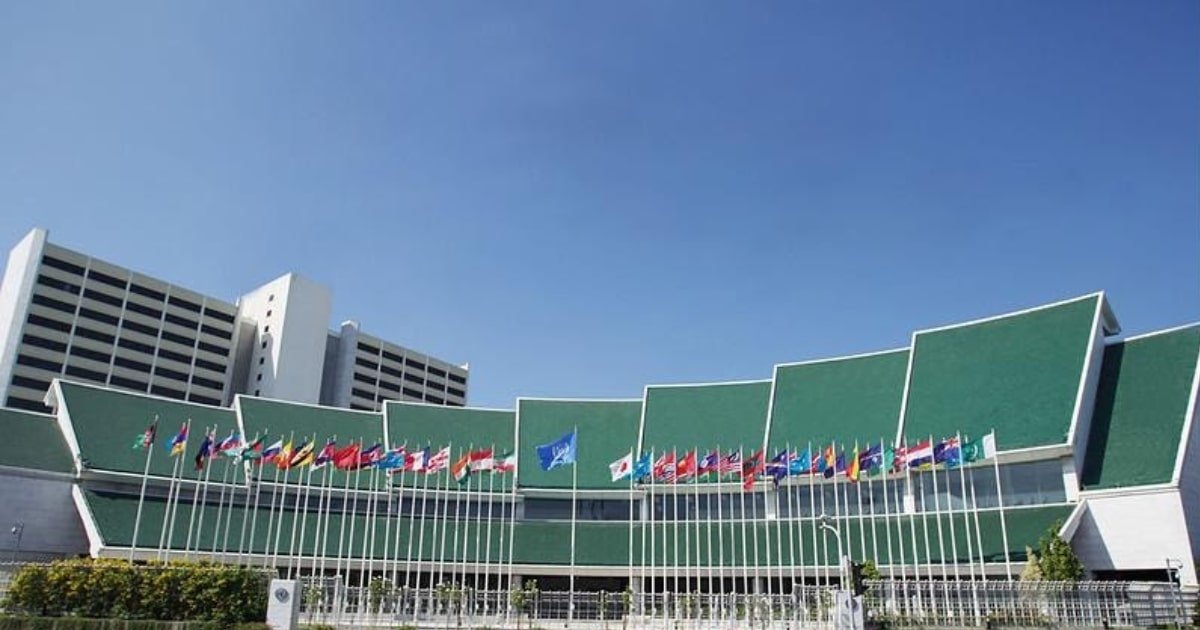




The United Nations Economic and Social Commission for Asia and the Pacific (UN-ESCAP) has announced its commitment to providing policy advisory and technical support to Pakistan for the development of its Energy Transition Investment Plan (ETIP).
The announcement follows a high-level scoping mission by UN-ESCAP to Pakistan, during which the team engaged with relevant ministries and development partners to identify critical entry points for financing the country’s shift toward renewable energy.
The UN-ESCAP plans to aid Pakistan in developing its Energy Transition Investment Plan (ETIP) to shift towards renewable energy, attract green investments, and tackle the country’s reliance on fossil fuels amid fiscal and climate challenges. https://t.co/PYWY12qTdr
— Investify Pakistan (@investifypk) January 5, 2026
Addressing the Energy Crisis
Pakistan’s energy sector currently faces a dual challenge: a heavy reliance on expensive imported fossil fuels and a circular debt crisis exceeding Rs2.6 trillion. UN-ESCAP emphasized that a transition to renewables by 2030 is no longer just a climate commitment but a necessity for fiscal stability and economic resilience.
Key Financial Strategies of the ETIP
The proposed Energy Transition Investment Plan aims to bridge the current investment gap through several innovative financial mechanisms:
- Blended Finance: Leveraging public and philanthropic funds to unlock private capital.
- Concessional Funding: Securing low-interest loans and guarantees to make renewable projects viable for underserved communities.
- Green Instruments: Bolstering existing efforts in Green Eurobonds, Panda Bonds, and Green Sukuk.
- Grid Modernization: Directing funds toward updating national infrastructure to integrate distributed solar and battery systems, essential for resolving circular debt.
Leveraging Regional Expertise
Building on its successful “Financing Energy Transition” (FET) work in Indonesia, the Philippines, and Vietnam, UN-ESCAP will bring its technical expertise in integrated energy planning and scenario analysis to Pakistan.
“The country’s energy mix remains heavily skewed toward imported oil, LNG, and coal, posing persistent challenges to energy security,” noted UN-ESCAP. Through the FET work stream, the commission will assist Pakistan in navigating policy inconsistencies and exploring carbon markets to move toward a Net-Zero future.
You May Like To Read: Trump Declares U.S. ‘in charge’ of Venezuela, Threatens Second Strike amid Global Outcry over Maduro Capture
Collaborative Outlook
UN-ESCAP expressed its readiness to work alongside the Pakistani government to enhance industrial competitiveness and foster a more sustainable national energy mix. The ETIP will serve as the primary vehicle to attract green foreign direct investment (FDI) and stabilize the power generation landscape.
Check out our latest video: