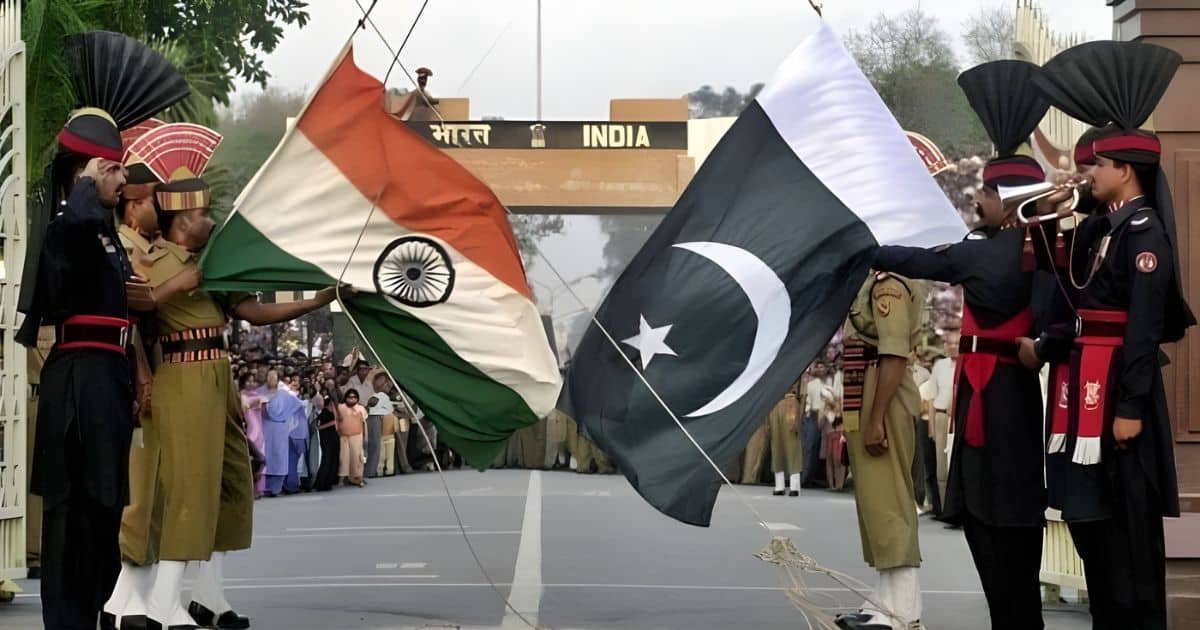



In recent months, Pakistan has increasingly voiced concerns over India’s domestic and foreign policies — which many here view as aggressive, ideologically driven, and destabilizing for South Asia. Below is a summary of major issues, how Pakistan interprets them, and why they matter.
1. Historical Memory & Political Narrative
Pakistani critics often cite the 2002 Gujarat riots and the way they believe the events were handled by the Gujarat state government (under then-Chief Minister Narendra Modi) as a defining moment. The title “Butcher of Gujarat” is used by many in Pakistan to express what they see as continued impunity and a lack of accountability. While supporters of Modi reject the label as exaggerated or politically motivated, in Pakistan the term reflects longstanding grievances about communal violence and perceived marginalization of minorities.
Sanjiv Bhatt’s Daughter Aakashi Bhatt:
‘My Father is the Only Man who Can Link Modi to The 2002 Gujarat Riots.’ pic.twitter.com/kkBnNXv22Y
— Muralidharan Gopal (@muralitwit) August 18, 2025
2. India’s Support for Militant Groups
A major point of contention is Pakistan’s accusation that India supports or funds militant groups operating inside Pakistan, especially the Balochistan Liberation Army (BLA) and Tehrik-e-Taliban Pakistan (TTP). Defence Minister Khawaja Asif has publicly claimed that the BLA is an Indian proxy, vowing to present evidence.
In the case of the Khuzdar bus attack for example, officials claimed that India was behind the assault involving the BLA. Meanwhile, Pakistan also alleges a nexus between the BLA and TTP through Indian intelligence support.
3. Border Incidents, Kashmir, and Bilateral Protests
Events such as the Pahalgam incident and subsequent Indian accusations have led to renewed tensions, accusations, and counter-accusations. Pakistan considers some of India’s responses — including suspension or threats to treaties like the Indus Waters Treaty — as provocative and unprovoked.
Additionally, Pakistan has expressed concern over inflammatory rhetoric from Indian leaders in various public forums — remarks that are seen not just as political theater, but as attempts to shape a narrative domestically and internationally. For example, in May 2025, Pakistan condemned remarks by Modi during a Gujarat rally as “reckless provocation,” accusing them of undermining regional peace.
You May Like To Read: India and United Kingdom Sign £350 Million Missile Deal to Strengthen Defense Partnership
4. Domestic Ideology, Hindutva & Narrative
From the Pakistani perspective, the rise of Hindutva — a majoritarian Hindu nationalist ideology — is seen as entwined with political strategy in India. Critics argue that it underpins both policy (e.g. in Kashmir or citizenship laws) and rhetoric (e.g. public speeches). To many in Pakistan, this trend raises fears of increasing intolerance and erosion of rights for Muslims and other minorities in India.
🚨Alarming ‼️ reports coming from Punjab that Hindutva extremist group RSS openly marching in several Punjab cities.
At the same time, the Indian government has deployed 50 army units (BSF). They are constantly harassing Sikhs and seizing their licensed weapons.@hrw… pic.twitter.com/P3bRuQ5JlL
— Sguardian (@LegitimateTargt) October 6, 2025
5. Diplomacy, Peace, & What Pakistan Seeks
Even amid tensions, Pakistan’s official posture emphasizes that it remains open to dialogue — but insists on a comprehensive framework that includes terrorism, Kashmir, water rights, and treaties. The message repeated by Foreign Minister Ishaq Dar and other leadership has been that peace must rest on mutual respect and legal and historical claims, not unilateral announcements.
Pakistan stresses adherence to United Nations resolutions on Kashmir and insists that any bilateral agreement must not compromise sovereignty or justice for Kashmiris.
You May Like To Read: China Expands Rare Earth Export Restrictions Ahead of Trump–Xi Meeting
Why This Matters for Pakistan
National Security: Allegations of cross-border militancy and foreign-backed groups are viewed not just as rhetoric — they are considered existential threats.
International Reputation: Through diplomatic engagement, protests, and statements, Pakistan seeks to frame India’s actions as violations of international norms, hoping to gain support or at least attention globally.
Internal Cohesion: The narrative also reinforces national identity at home, providing political legitimacy to authorities who promise to defend the country.
Regional Stability: Longstanding disputes — especially Kashmir, water-sharing (e.g. the Indus Waters Treaty), and accusations of “proxy warfare” — carry risks of escalation. Many in Pakistan argue that unresolved grievances keep sparking conflict.
You May Like To Read: President Macron to Appoint New Prime Ministere in 48 Hours